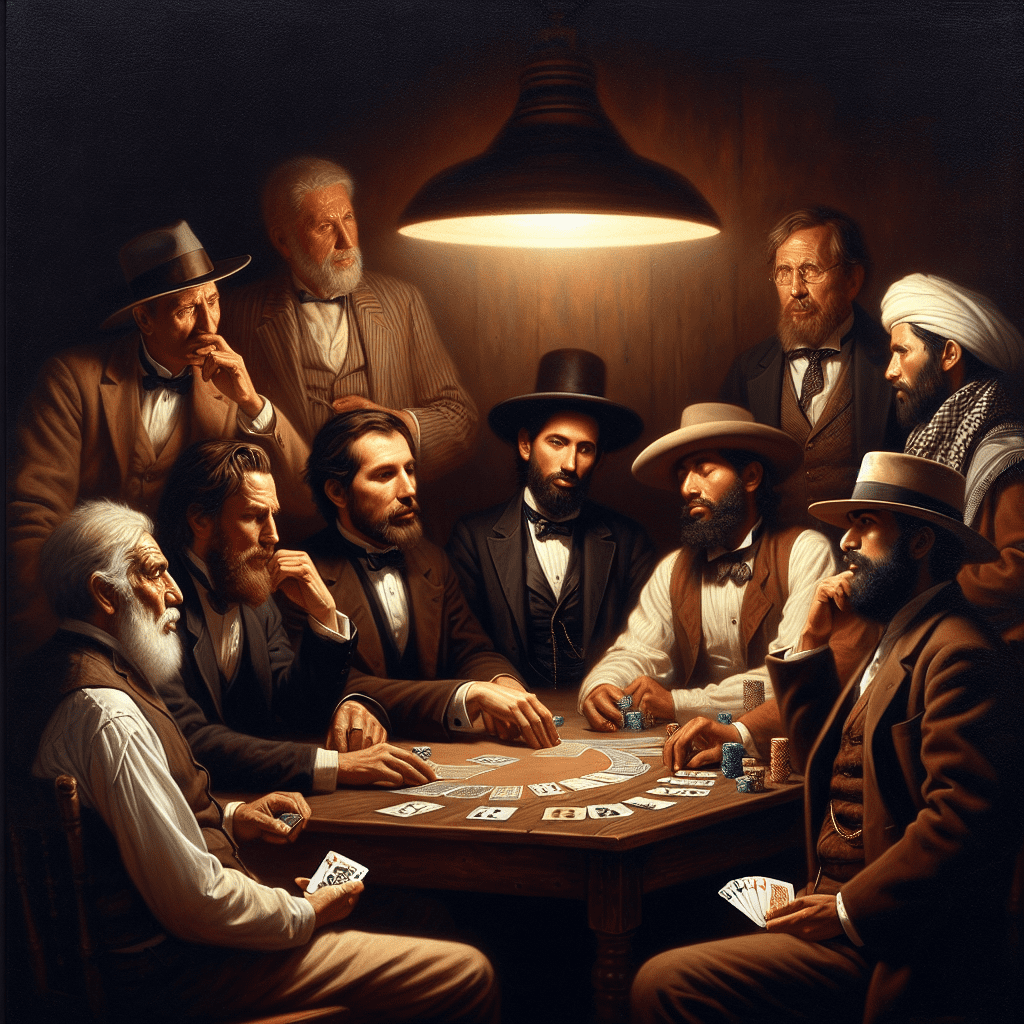
Where Was Poker Invented? A Journey Through Time

Poker, a game that has captivated millions around the globe, boasts a rich history that intertwines various cultures and traditions. The question of “Where was poker invented?” is not as straightforward as it may seem. The origins of poker are shrouded in mystery, with multiple theories and historical references pointing to different locations and influences. This article delves into the fascinating evolution of poker, exploring its roots and the various forms it has taken over the centuries.
The Early Beginnings of Poker
To understand where poker was invented, we must first look at its early predecessors. The game is believed to have evolved from several ancient card games, each contributing to the modern version we know today. Here are some notable influences:
- As-Nas: A Persian game dating back to the 16th century, As-Nas used a deck of 25 cards and involved betting, much like modern poker.
- Primero: A popular game in 16th-century Spain, Primero involved bluffing and betting, laying the groundwork for poker’s strategic elements.
- Poque: This French game, played in the 18th century, is often cited as a direct ancestor of poker. It featured betting rounds and a focus on hand rankings.
These games, among others, contributed to the development of poker as we know it today. However, pinpointing a single location for its invention remains elusive.
The American Influence
While poker’s roots can be traced back to various cultures, it was in the United States that the game truly flourished. The introduction of poker to America is often attributed to the early 19th century, particularly during the westward expansion. Here are some key points regarding poker’s American evolution:
- New Orleans: Many historians agree that poker was popularized in New Orleans in the early 1800s. The city served as a melting pot for various cultures, allowing different card games to merge and evolve.
- Riverboats: Poker gained immense popularity on Mississippi riverboats, where players would engage in high-stakes games while traveling. This environment fostered a culture of bluffing and strategy.
- Wild West: The game became synonymous with the Wild West, where saloons and gambling halls became the backdrop for legendary poker games. Figures like Wild Bill Hickok became iconic for their poker prowess.
By the mid-19th century, poker had established itself as a staple of American culture, with various regional variations emerging, such as Texas Hold’em and Seven Card Stud.
Global Expansion and Variations
As poker’s popularity surged in the United States, it began to spread globally, adapting to different cultures and preferences. Here are some notable variations that emerged:
- Chinese Poker: This variant involves players creating three hands from a standard deck, emphasizing strategy and skill.
- Omaha: Similar to Texas Hold’em, Omaha requires players to use four hole cards instead of two, leading to more complex strategies.
- Stud Poker: This version, which does not involve community cards, became popular in the early 20th century and remains a favorite in many poker rooms today.
Each of these variations reflects the cultural influences of the regions where they were developed, showcasing poker’s adaptability and universal appeal.
The Rise of Online Poker
The advent of the internet in the late 20th century revolutionized poker once again. Online poker platforms emerged, allowing players from around the world to compete against each other without geographical limitations. This digital transformation brought several significant changes:
- Accessibility: Players can now join games at any time, making poker more accessible than ever before.
- Tournaments: Online platforms host massive tournaments, such as the World Series of Poker (WSOP) Online, attracting thousands of participants.
- Learning Resources: The internet has made it easier for players to access tutorials, strategy guides, and forums, enhancing their skills and knowledge.
The online poker boom has not only increased the game’s popularity but has also led to a new generation of players who may never have experienced traditional poker rooms.
Conclusion: The Legacy of Poker
In conclusion, the question of “Where was poker invented?” does not have a definitive answer. Instead, poker is a tapestry woven from various cultures, games, and historical influences. From its early roots in Persia and France to its flourishing in America and global expansion, poker has evolved into a beloved pastime for millions. Its adaptability, strategic depth, and social aspects ensure that it will continue to thrive in the years to come.
As we reflect on poker’s journey, it is clear that its legacy is not just about where it was invented but also about how it has brought people together across cultures and generations. Whether played in a smoky saloon, on a riverboat, or online, poker remains a game of skill, chance, and camaraderie.