Where Is Online Poker Legal? A Comprehensive Guide
Online poker has surged in popularity over the past two decades, transforming from a niche pastime into a global phenomenon. However, the legality of online poker varies significantly across different jurisdictions. Understanding where online poker is legal is crucial for players who want to engage in this exciting game without running afoul of the law. This article delves into the legal landscape of online poker, examining various regions and their regulations.
The Global Landscape of Online Poker Legality
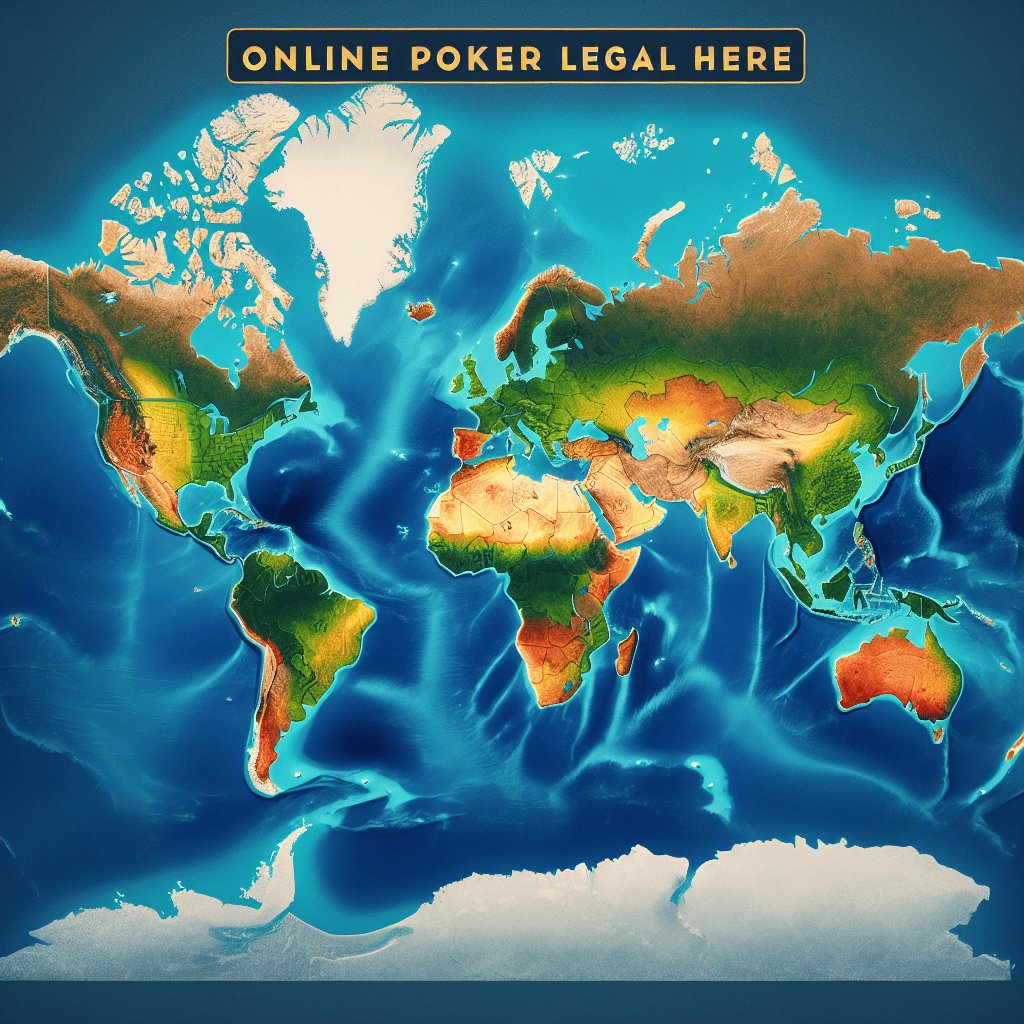
Online poker operates in a complex legal environment influenced by local laws, cultural attitudes, and regulatory frameworks. Here’s a breakdown of the current state of online poker legality in various regions:
- United States: The legality of online poker in the U.S. is a patchwork of state laws. While federal law does not explicitly prohibit online poker, the 2006 Unlawful Internet Gambling Enforcement Act (UIGEA) created significant hurdles. As of now, states like New Jersey, Pennsylvania, Michigan, and Nevada have legalized online poker, offering regulated platforms for players.
- Europe: Many European countries have embraced online poker, with regulations varying widely. The United Kingdom has a well-established regulatory framework, allowing numerous licensed operators. Conversely, countries like France and Spain have their own regulated markets, often requiring players to use local platforms.
- Asia: The legality of online poker in Asia is diverse. Countries like the Philippines have licensed online poker rooms, while others, such as China, maintain strict prohibitions against all forms of gambling, including online poker.
- Australia: Online poker is legal in Australia, but the Interactive Gambling Act of 2001 restricts operators from offering real-money poker games to Australian players unless they are licensed in Australia.
Key Examples of Legal Online Poker Markets
To better understand where online poker is legal, let’s explore some key examples of jurisdictions that have embraced this form of gambling.
United States
In the U.S., the landscape is continually evolving. As of 2023, several states have legalized online poker:
- New Jersey: One of the first states to regulate online poker, New Jersey has a thriving market with multiple licensed operators. The state has seen significant revenue growth since legalization.
- Pennsylvania: Following New Jersey, Pennsylvania legalized online poker in 2017. The state has quickly become one of the largest markets for online poker in the U.S.
- Michigan: Michigan joined the ranks in early 2021, allowing online poker alongside other forms of online gambling.
- Nevada: Known for its gambling culture, Nevada has a long history with online poker, being one of the first states to legalize it in 2013.
United Kingdom
The UK is often seen as a model for online poker regulation. The UK Gambling Commission oversees the industry, ensuring player protection and fair play. The market is robust, with numerous operators offering a variety of games. In 2020, the UK online poker market generated approximately £1.4 billion in revenue, showcasing its popularity.
European Union
Within the EU, countries like Sweden and Denmark have established regulated online poker markets. Sweden’s licensing system, introduced in 2019, allows operators to offer online poker legally while ensuring consumer protection. Denmark has a similar approach, with a focus on responsible gambling practices.
Challenges and Considerations
While many regions have embraced online poker, challenges remain. Here are some key considerations:
- Regulatory Compliance: Operators must navigate complex regulations, which can vary significantly from one jurisdiction to another.
- Player Protection: Ensuring player safety and fair play is paramount. Regulated markets often have strict requirements for operators to protect players.
- Cross-Border Play: Many jurisdictions restrict players from other regions, complicating the online poker experience. For instance, players in New Jersey cannot play against those in Nevada unless both states enter into a shared liquidity agreement.
The Future of Online Poker Legality
The future of online poker legality looks promising, with more states in the U.S. considering legalization and countries around the world reevaluating their gambling laws. The rise of technology and the increasing acceptance of online gambling could lead to more harmonized regulations globally.
Moreover, the COVID-19 pandemic has accelerated the shift towards online gaming, as many players turned to virtual platforms during lockdowns. This trend may encourage more jurisdictions to legalize and regulate online poker to capture tax revenue and provide safe gaming environments.
Conclusion
Understanding where online poker is legal is essential for players looking to engage in this thrilling game responsibly. While the landscape is complex and varies by region, many jurisdictions have embraced online poker, providing safe and regulated environments for players. As more states and countries consider legalization, the future of online poker looks bright. Players should stay informed about the laws in their respective regions to ensure they are playing legally and safely.
In summary, whether you’re in the U.S., Europe, or beyond, knowing where online poker is legal can enhance your gaming experience and keep you on the right side of the law. As the industry continues to evolve, staying updated on regulations will be key for any online poker enthusiast.