
Where is Intertops Poker Legal: A Guide to Legal Jurisdictions
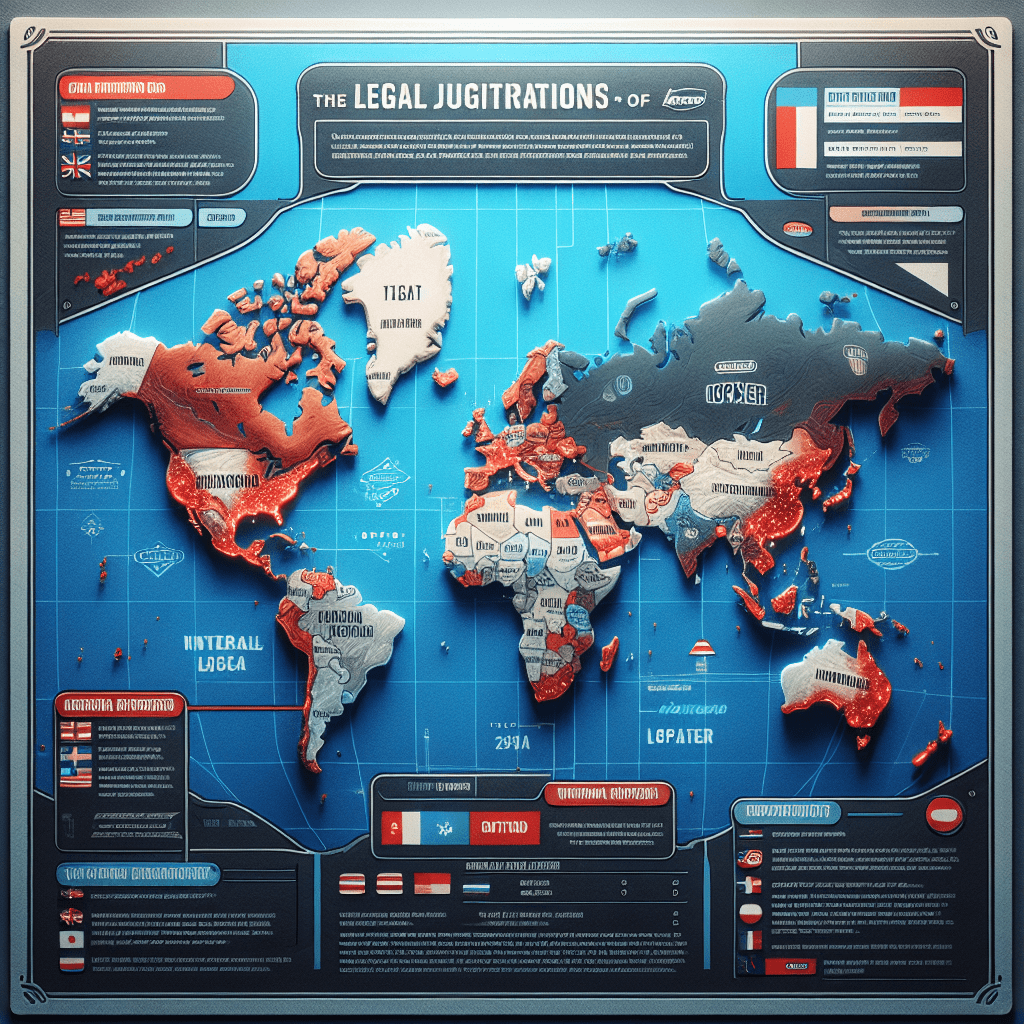
In the ever-evolving landscape of online poker, players often find themselves navigating a complex web of legal jurisdictions. One of the most prominent names in the online poker industry is Intertops Poker, a platform that has been around since the late 1990s. However, the legality of playing on Intertops Poker varies significantly depending on where you reside. This article aims to provide a comprehensive guide to the legal jurisdictions surrounding Intertops Poker, helping players understand where they can legally participate in online poker games.
Understanding Online Poker Legality
The legality of online poker is a multifaceted issue that varies from country to country and even state to state within the United States. Several factors influence whether online poker is legal, including:
- Local Laws: Each jurisdiction has its own set of laws governing online gambling.
- Licensing: Online poker sites must be licensed in jurisdictions that allow online gambling.
- Enforcement: The degree to which laws are enforced can vary widely.
- Player Location: Players must be aware of their own legal standing based on their location.
Understanding these factors is crucial for players who want to engage in online poker legally and safely. Now, let’s delve into the specific jurisdictions where Intertops Poker operates and the legal implications for players in those areas.
Where is Intertops Poker Legal? A Breakdown of Jurisdictions
Intertops Poker is licensed in several jurisdictions, which allows it to operate legally in various regions. Here’s a closer look at some of the key jurisdictions where Intertops Poker is legal:
1. Europe
In Europe, online poker is generally more accepted, with many countries having established regulations. Intertops Poker is particularly popular in:
- Germany: Online poker is legal and regulated, making it a significant market for Intertops.
- Austria: Players can legally participate in online poker, and Intertops has a strong presence here.
- Switzerland: While regulations are strict, players can access Intertops Poker legally.
In these countries, players enjoy a robust legal framework that protects their rights and ensures fair play.
2. North America
The situation in North America is more complicated, especially in the United States. Here’s a breakdown:
- United States: The legality of online poker varies by state. States like New Jersey, Pennsylvania, and Michigan have legalized online poker, but players in states without such laws may face legal risks.
- Canada: Online poker is generally legal, and players can access Intertops Poker without significant legal concerns.
In the U.S., players must be cautious and ensure they are in a state where online poker is permitted. The Unlawful Internet Gambling Enforcement Act (UIGEA) of 2006 complicates matters, as it prohibits financial transactions related to illegal online gambling.
3. Asia and the Pacific
In Asia, the legality of online poker varies widely:
- Philippines: The country has a regulated online gaming industry, and Intertops Poker operates legally here.
- China: Online gambling is illegal, and players should avoid using Intertops Poker.
Players in Asia must be particularly cautious, as many countries have strict laws against online gambling.
Case Studies: Legal Challenges Faced by Players
Understanding the legal landscape is crucial, but real-world examples can provide further insight into the challenges players may face. Here are a couple of case studies:
Case Study 1: A Player in New Jersey
John, a poker enthusiast from New Jersey, was thrilled when online poker became legal in his state. He signed up for Intertops Poker, believing he was in the clear. However, he soon discovered that while New Jersey allows online poker, Intertops Poker does not hold a New Jersey license. As a result, John faced potential legal issues and had to withdraw his funds.
Case Study 2: A Player in Germany
Maria, a resident of Germany, enjoys playing on Intertops Poker. She appreciates the legal protections in place, which ensure that her funds are secure and that she is playing in a fair environment. Maria’s experience highlights the benefits of playing in a jurisdiction where online poker is regulated.
Statistics on Online Poker Legality
To further illustrate the importance of understanding legal jurisdictions, consider the following statistics:
- According to a 2021 report by the American Gaming Association, 18 states and the District of Columbia have legalized online poker.
- A survey conducted by Statista in 2022 found that 45% of online poker players in the U.S. were unaware of their state’s laws regarding online gambling.
- In Europe, the online gambling market is projected to reach €30 billion by 2025, with a significant portion attributed to regulated online poker.
These statistics underscore the importance of being informed about the legal landscape of online poker, especially for players using platforms like Intertops Poker.
Conclusion: Navigating the Legal Landscape of Intertops Poker
In conclusion, understanding where Intertops Poker is legal is essential for players who want to enjoy online poker without legal repercussions. The legal landscape varies significantly across jurisdictions, influenced by local laws, licensing, and enforcement practices. Players must be diligent in researching their own legal standing and the regulations governing online poker in their region.
As the online poker industry continues to grow, staying informed about legal jurisdictions will empower players to make safe and informed decisions. Whether you’re in Europe, North America, or Asia, knowing the legal status of Intertops Poker can enhance your gaming experience and protect your interests.
Ultimately, the key takeaway is this: always verify the legality of online poker in your jurisdiction before playing. By doing so, you can enjoy the thrill of the game while ensuring that you are on the right side of the law.