When Does A Poker Game End? Understanding the Dynamics of Poker Play
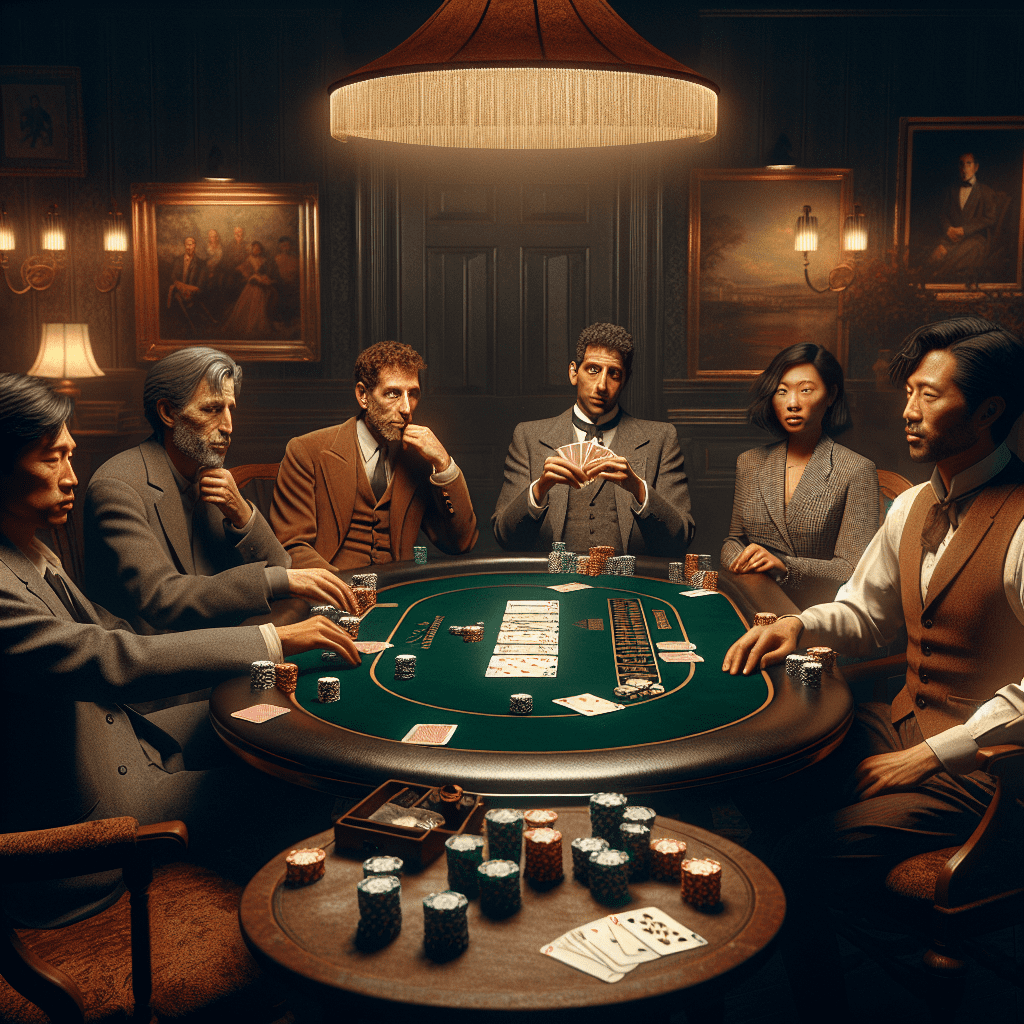
Poker is a game of skill, strategy, and psychology, captivating millions around the globe. While the thrill of the game often lies in the cards dealt and the bets placed, an equally important aspect is understanding when a poker game concludes. This article delves into the various factors that determine the end of a poker game, exploring different formats, player dynamics, and the rules that govern this fascinating pastime.
The Basics of Poker Game Structure
Before we dive into when a poker game ends, it’s essential to understand the basic structure of poker games. Poker can be played in various formats, each with its own set of rules and objectives. Here are some common types:
- Cash Games: Players buy in for a certain amount and can leave at any time, making the game flexible.
- Tournaments: Players pay a fixed entry fee and compete until one player has all the chips, often lasting several hours or even days.
- Sit and Go: A smaller tournament format that starts as soon as a predetermined number of players register.
Each format has its own criteria for when the game ends, which we will explore in detail.
When Does A Poker Game End? Key Factors to Consider
Understanding when a poker game ends involves several factors, including the format of the game, the rules in place, and the players’ decisions. Here are the primary considerations:
1. Game Format
The format of the poker game significantly influences its duration:
- Cash Games: These games can end whenever players decide to leave. Players can cash out their chips at any time, making the end of the game fluid and player-driven.
- Tournaments: These games continue until one player has all the chips. The end is marked by a single winner, which can take hours or even days, depending on the number of participants and the structure of the tournament.
- Home Games: In informal settings, the game may end based on mutual agreement among players, often influenced by time constraints or fatigue.
2. Player Decisions
Players can also influence when a poker game ends through their actions:
- All-In Bets: In many cases, a player going all-in can lead to a decisive moment in the game. If they win, they may eliminate opponents, bringing the game closer to an end.
- Conceding: Players may choose to concede or leave the game if they feel they cannot win, especially in cash games.
- Time Constraints: Players may agree to end the game after a certain period, particularly in home games or friendly settings.
3. House Rules and Regulations
Different venues and home games may have specific rules that dictate when a game ends:
- Time Limits: Some tournaments have time limits for each level, which can lead to a game ending when the final level is reached.
- Chip Limits: In some cases, a game may end when a player reaches a predetermined number of chips, especially in home games.
- House Rules: Each poker room may have its own set of rules that dictate how and when games conclude.
Case Studies: Real-Life Examples of Poker Game Endings
To illustrate the various ways a poker game can end, let’s look at a few real-life scenarios:
1. The World Series of Poker (WSOP)
The WSOP is one of the most prestigious poker tournaments globally, often lasting several days. The tournament concludes when one player has all the chips. For instance, in 2019, Hossein Ensan won the Main Event after a grueling series of matches, demonstrating how tournaments can stretch over extended periods before reaching a conclusion.
2. Home Game Dynamics
In a casual home game, players might agree to end the game after a set number of hours or when one player reaches a specific chip count. For example, a group of friends might decide to play until midnight, regardless of chip counts, showcasing how player dynamics can dictate the end of a game.
3. Online Poker
In online poker, games can end abruptly due to player decisions or technical issues. For instance, a player might disconnect from a cash game, leading to their automatic exit. This highlights the fluid nature of online poker compared to traditional settings.
Statistics on Poker Game Durations
Understanding the average duration of poker games can provide insights into player expectations and strategies:
- Cash Games: Typically last anywhere from 1 to 8 hours, depending on player engagement.
- Tournaments: Can last from 3 hours for smaller tournaments to over 12 hours for major events like the WSOP.
- Online Games: Often shorter, with many cash games lasting around 1-2 hours due to the fast-paced nature of online play.
Conclusion: The End of the Game
In conclusion, understanding when a poker game ends is crucial for players, whether they are participating in cash games, tournaments, or casual home games. The end of a poker game can be influenced by various factors, including game format, player decisions, and house rules. By recognizing these elements, players can better navigate their poker experiences and make informed decisions about their gameplay.
Ultimately, whether you’re a seasoned pro or a casual player, knowing when a poker game ends can enhance your strategy and enjoyment of this timeless game. So, the next time you sit down at the table, consider the dynamics at play and how they might shape the conclusion of your poker experience.