What’s The Meaning Of Poker Face?
The term “poker face” has transcended its origins in the world of card games to become a staple in everyday language. But what does it truly mean? In this article, we will explore the origins, significance, and applications of the poker face, shedding light on its relevance in various contexts, from psychology to popular culture.
The Origins of the Poker Face
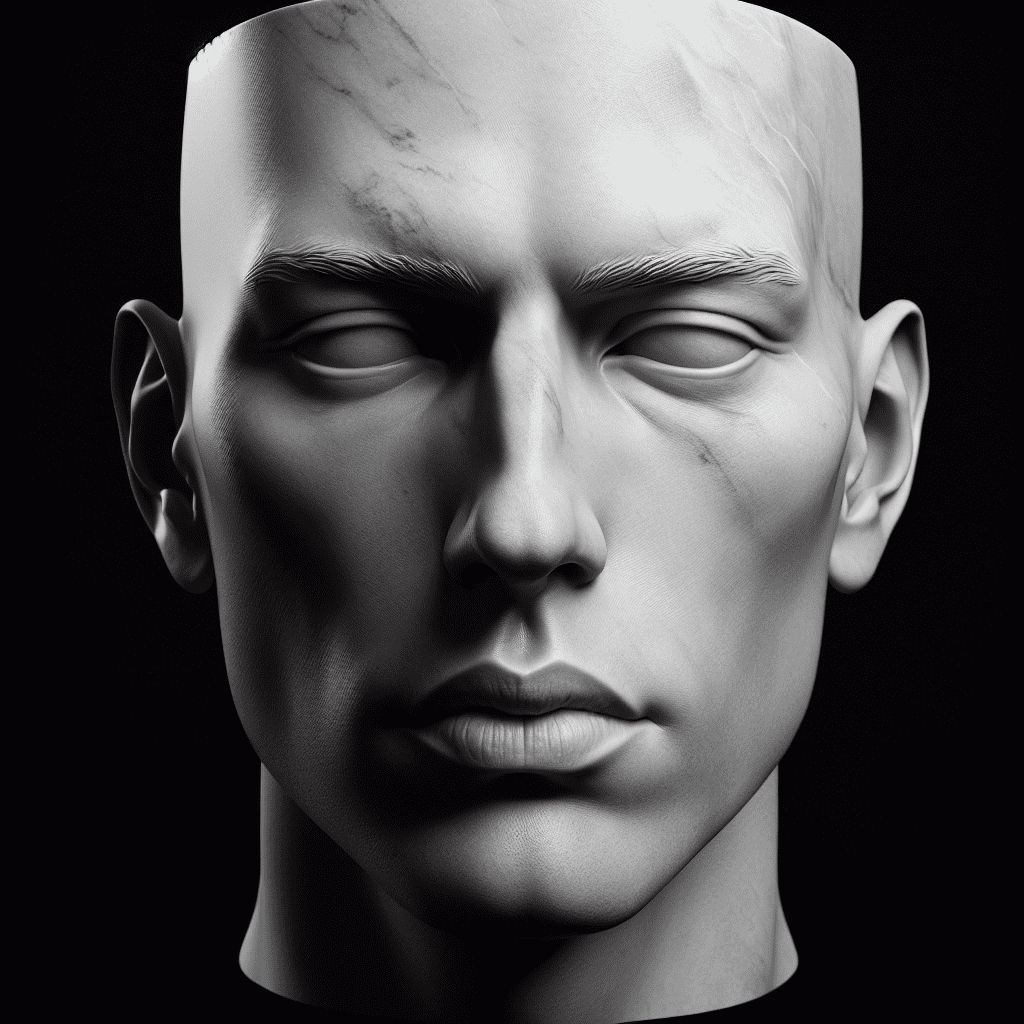
The phrase “poker face” is believed to have originated in the 19th century, during the rise of poker as a popular card game in the United States. In poker, players often conceal their emotions and reactions to maintain a strategic advantage over their opponents. A “poker face” refers to an expressionless visage that gives away no information about a player’s hand or intentions.
Historically, the game of poker has been associated with gambling, risk-taking, and psychological warfare. Players must read their opponents while simultaneously hiding their own thoughts and feelings. This duality is where the concept of the poker face finds its roots. The ability to maintain a neutral expression can be the difference between winning and losing, making it a crucial skill in the game.
Understanding the Psychology Behind the Poker Face
At its core, the poker face is a psychological tool. It involves a complex interplay of emotions, body language, and social cues. Here are some key psychological aspects to consider:
- Emotional Regulation: Maintaining a poker face requires a high level of emotional control. Players must suppress their feelings of excitement, disappointment, or anxiety to avoid giving away clues.
- Nonverbal Communication: A poker face is a form of nonverbal communication. It conveys confidence and composure, which can intimidate opponents and influence their decisions.
- Deception: The ability to deceive others is a fundamental aspect of poker. A well-maintained poker face can mislead opponents into making poor choices based on false assumptions.
Research in psychology supports the idea that nonverbal cues play a significant role in interpersonal communication. A study published in the journal “Psychological Science” found that people are often more influenced by nonverbal signals than verbal ones. This highlights the importance of a poker face not just in poker, but in various social interactions.
Applications of the Poker Face Beyond Poker
While the term originated in the context of card games, the concept of a poker face has found its way into various aspects of life. Here are some notable applications:
1. Business Negotiations
In the world of business, maintaining a poker face can be crucial during negotiations. Executives and salespeople often need to conceal their true feelings about a deal to avoid giving away leverage. A neutral expression can help them navigate complex discussions without revealing their level of interest or concern.
2. Social Interactions
In social settings, a poker face can be beneficial when dealing with sensitive topics. For instance, during a disagreement or a discussion about personal matters, maintaining a calm demeanor can prevent escalation and promote constructive dialogue.
3. Performance Arts
Actors and performers often employ a poker face to convey emotions without overt expressions. This technique allows them to connect with their audience on a deeper level, as subtlety can often evoke stronger reactions than overt displays of emotion.
Case Studies: The Poker Face in Action
To illustrate the significance of the poker face, let’s examine a few case studies from different fields:
Case Study 1: The Business Deal
In a high-stakes negotiation between two companies, the CEO of Company A maintained a poker face throughout the discussions. Despite internal concerns about the deal’s viability, the CEO’s neutral expression conveyed confidence. As a result, Company B was more inclined to make concessions, believing that Company A was fully committed to the partnership.
Case Study 2: The Actor’s Craft
In the film industry, actors like Daniel Day-Lewis are known for their ability to maintain a poker face during intense scenes. This technique allows them to portray complex emotions without overtly expressing them, creating a more nuanced performance that resonates with audiences.
Statistics on Nonverbal Communication
Understanding the impact of nonverbal communication can further illuminate the importance of a poker face. Here are some compelling statistics:
- According to a study by Albert Mehrabian, 93% of communication is nonverbal, with 55% attributed to body language and 38% to tone of voice.
- Research from the University of California, Los Angeles (UCLA) found that people can accurately read emotions from facial expressions in as little as 1/10th of a second.
These statistics underscore the power of maintaining a poker face in various situations, as it can significantly influence how others perceive and respond to us.
Conclusion: The Enduring Relevance of the Poker Face
In conclusion, the meaning of “poker face” extends far beyond the realm of card games. It encapsulates a vital skill in emotional regulation, nonverbal communication, and strategic deception. Whether in business negotiations, social interactions, or performance arts, the ability to maintain a neutral expression can provide a significant advantage.
As we navigate an increasingly complex world, understanding the nuances of our expressions and the power of a poker face can enhance our interpersonal skills and improve our outcomes in various situations. So, the next time you find yourself in a high-stakes scenario, remember the importance of keeping a poker face—it might just be your winning hand.