Where Is Online Poker Legal in the U.S.?
Online poker’s booming popularity has led many states to consider regulating it, but it’s still not universally green-lit across the country. Here’s what you need to know about the current legal landscape—and what’s potentially on the horizon.
A Patchwork of Regulations
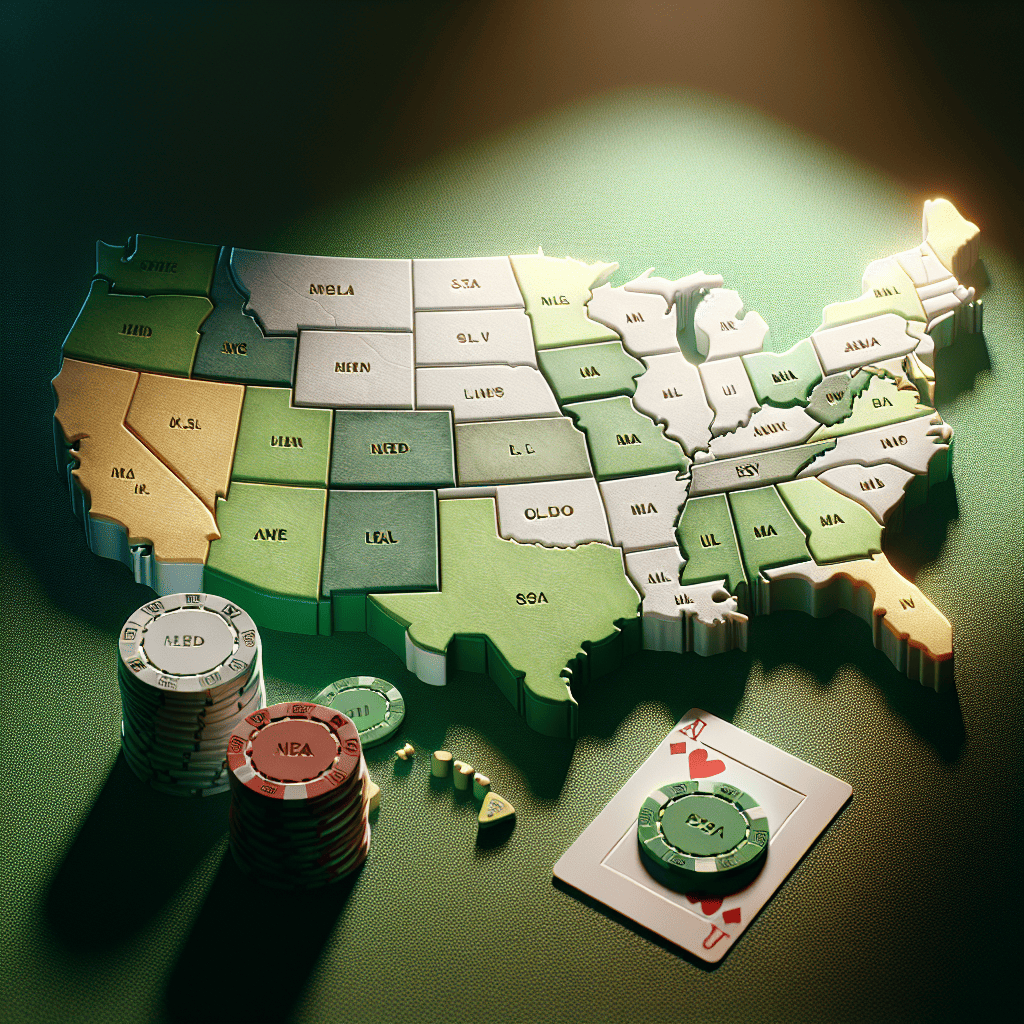
- Federal Law: The Unlawful Internet Gambling Enforcement Act (UIGEA) of 2006 stopped banks from processing payments for illegal online gambling. It didn’t directly ban online poker but made states the ultimate decision-makers on whether to legalize.
- State-by-State Decisions: Each state can pass its own laws, leading to a patchwork of legal (and not-so-legal) territories for poker fans.
States Where Online Poker Is Legal
- Nevada
- Year Legalized: 2013
- Notable Sites: WSOP.com
- Market Highlights: The first state to approve online poker, featuring big-name operators tied to local casinos.
- New Jersey
- Year Legalized: 2013
- Notable Sites: PokerStars, PartyPoker, WSOP.com
- Market Highlights: A success story, generating millions in revenue with robust promotions and cash prizes.
- Delaware
- Year Legalized: 2013
- Notable Sites: State-run platforms via partnerships
- Market Highlights: Small market but benefits from an interstate compact with Nevada and New Jersey.
- Pennsylvania
- Year Legalized: 2017 (launched 2019)
- Notable Sites: PokerStars, BetMGM
- Market Highlights: Rapidly became one of the largest markets with interstate agreements boosting liquidity.
- Michigan
- Year Legalized: 2019 (launched 2021)
- Notable Sites: BetMGM, PokerStars
- Market Highlights: Growing quickly and approved to join interstate player pools for larger tournaments.
- West Virginia
- Year Legalized: 2019
- Market Highlights: Legalized but no operators have launched platforms yet.
States in Flux: Possible Future Legalization
- California: Ongoing disputes among tribal casinos, card rooms, and lawmakers stall progress.
- New York & Illinois: Have introduced bills but haven’t finalized legalization.
- Other States: Growing interest in gambling revenue might push more states to legalize online poker.
Regulatory Nuts and Bolts
- Licensing: Operators must be state-licensed and often partner with local casinos.
- Taxation: States typically levy taxes on revenue (e.g., New Jersey charges around 15%).
- Player Protections: Requirements include geolocation checks, age verification (21+), and responsible gaming tools.
Success Stories
- New Jersey: Generated around $93 million in online poker revenue in 2020, with strong player pools and promotions.
- Pennsylvania: Launched in late 2019 and earned over $20 million in its first year, benefiting from major operators like PokerStars.
Final Thoughts
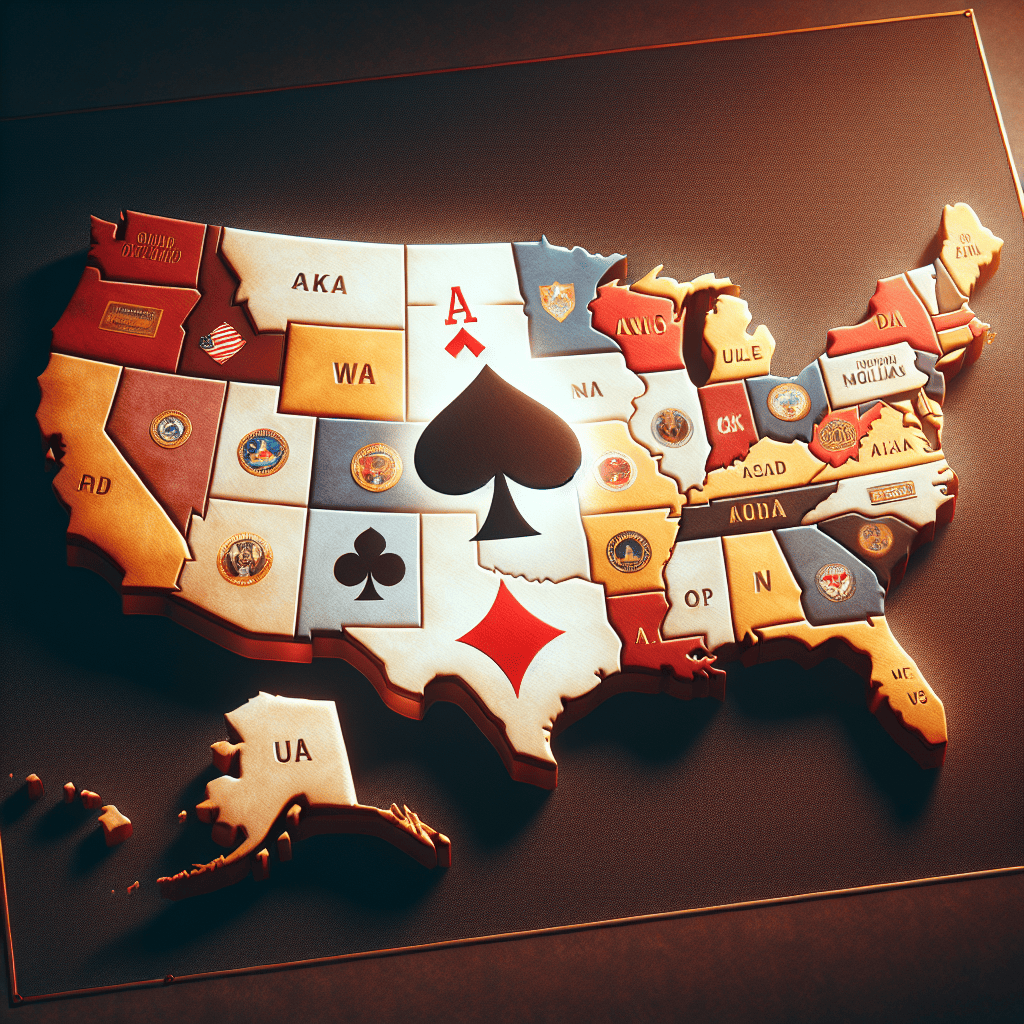
Currently, online poker is legal in Nevada, New Jersey, Delaware, Pennsylvania, Michigan, and West Virginia. More states may follow as attitudes shift and tax revenues become more appealing. If you live in or visit these states, you can legally enjoy regulated platforms.
Pro Tip: Always play on state-approved sites, observe local regulations, and gamble responsibly. As online poker continues to expand, staying informed ensures you’re ready to join the action whenever new states go live.