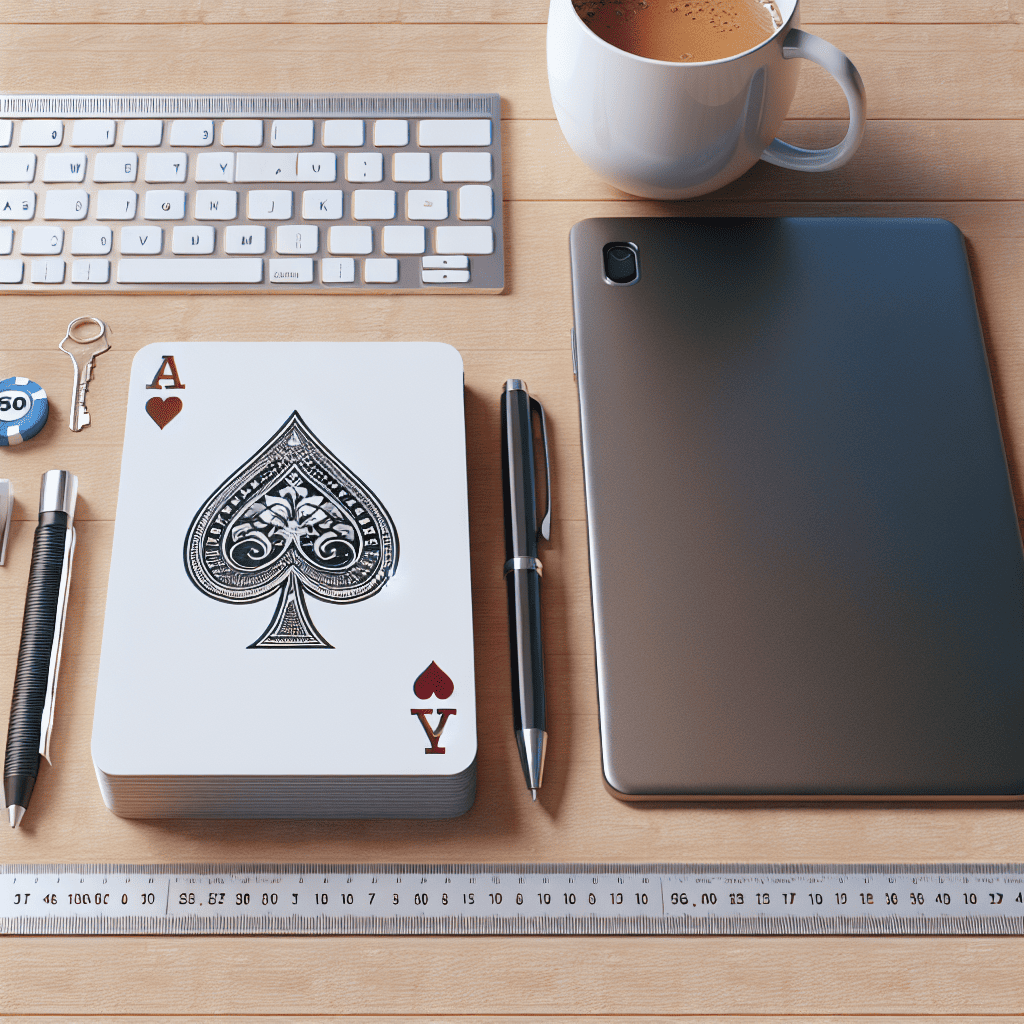
What Size Are Poker Cards? A Comprehensive Guide

When it comes to playing poker, the cards are the heart of the game. But have you ever stopped to consider the size of those cards? The dimensions of poker cards can significantly impact gameplay, handling, and even the overall experience. In this article, we will explore the various sizes of poker cards, their implications, and why understanding these dimensions is essential for both casual players and serious enthusiasts.
The Standard Size of Poker Cards
In the world of poker, the most commonly used card size is the standard poker card, which measures 2.5 inches by 3.5 inches (63mm x 88mm). This size is widely recognized and used in casinos and home games alike. The standardization of poker card sizes ensures consistency across different decks, making it easier for players to handle and shuffle the cards.
Why Size Matters
The size of poker cards can influence several aspects of the game:
- Shuffling: Larger cards can be more challenging to shuffle, especially for players with smaller hands.
- Dealing: The size affects how easily cards can be dealt and picked up from the table.
- Visibility: Standard sizes ensure that all players can see the cards clearly, which is crucial during gameplay.
Variations in Poker Card Sizes
While the standard size is prevalent, there are several variations of poker cards that cater to different preferences and needs. Here are some notable examples:
- Bridge Size: Measuring 2.25 inches by 3.5 inches (57mm x 88mm), bridge-sized cards are narrower than standard poker cards. They are often preferred for games that require more intricate shuffling techniques.
- Mini Cards: These cards are typically around 1.75 inches by 2.5 inches (44mm x 63mm). Mini cards are great for travel or for games with younger players, as they are easier to handle.
- Jumbo Index Cards: These cards feature larger numbers and symbols, making them easier to read from a distance. They maintain the standard poker card size but enhance visibility.
Case Study: The Impact of Card Size on Gameplay
A study conducted by the University of Gaming Sciences examined how card size affects player performance in poker tournaments. The researchers found that players using standard-sized cards had a 15% faster shuffling time compared to those using bridge-sized cards. Additionally, players reported feeling more comfortable and confident when using the standard size, leading to improved decision-making during high-stakes situations.
Materials and Thickness
Beyond size, the material and thickness of poker cards also play a crucial role in their performance. Most poker cards are made from plastic or a combination of paper and plastic. The thickness can vary, with standard cards typically being around 0.3mm thick. Here’s how these factors contribute to the overall experience:
- Durability: Plastic cards tend to last longer and resist bending and tearing, making them ideal for frequent use.
- Feel: The texture of the cards can affect how they slide against each other, impacting shuffling and dealing.
- Weight: Heavier cards can feel more substantial in hand, which some players prefer for a more professional feel.
Choosing the Right Size for Your Game
When selecting poker cards, consider the following factors to determine the best size for your game:
- Player Preferences: Some players may have a strong preference for a specific card size based on their experience.
- Game Type: Different games may benefit from different card sizes. For example, bridge games often use bridge-sized cards.
- Space Constraints: If you’re playing in a tight space, mini cards might be more suitable.
Statistics on Card Size Preferences
A survey conducted among poker enthusiasts revealed that:
- 65% of players preferred standard-sized poker cards.
- 25% favored bridge-sized cards for their ease of handling.
- 10% opted for mini cards, primarily for casual play or travel.
Conclusion: The Importance of Understanding Poker Card Sizes
In conclusion, the size of poker cards is more than just a trivial detail; it plays a significant role in the overall gaming experience. From the standard size of 2.5 inches by 3.5 inches to variations like bridge and mini cards, each size has its unique advantages and disadvantages. Understanding these dimensions can enhance gameplay, improve handling, and ultimately lead to a more enjoyable poker experience.
Whether you’re a casual player or a seasoned pro, knowing what size poker cards to use can make all the difference. So next time you sit down for a game, take a moment to consider the cards in your hand—they might just be the key to your winning strategy!