What Is Under The Gun In Poker: Understanding the Position
In the world of poker, terminology can often be a barrier to entry for newcomers. One of the most critical concepts to grasp is the term “Under the Gun” (UTG). This phrase refers to a specific position at the poker table that can significantly influence a player’s strategy and decision-making process. In this article, we will delve into what it means to be Under the Gun in poker, its implications for gameplay, and strategies to adopt when you find yourself in this position.
Defining Under the Gun in Poker
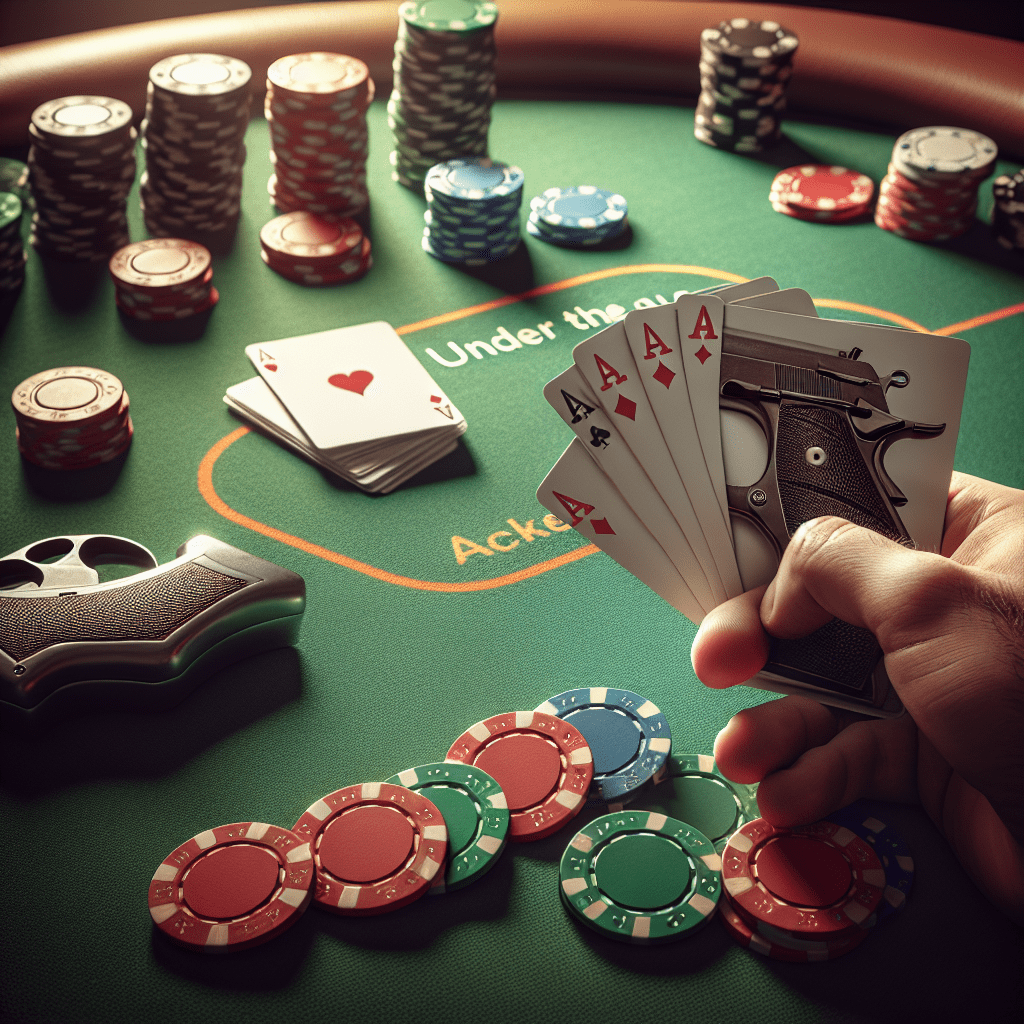
Under the Gun is a term used to describe the player who is seated immediately to the left of the big blind in a poker game. This position is crucial because it is the first to act in the betting round following the deal of the cards. Being Under the Gun means that you have to make your decision before anyone else, which can be both a strategic advantage and a disadvantage.
The Importance of Position in Poker
In poker, position is everything. The order in which players act can greatly affect the outcome of a hand. Here are some key points to consider regarding position:
- Information Advantage: Players who act later in a betting round have the advantage of seeing how their opponents play before making their own decisions.
- Control of the Pot: Players in later positions can control the size of the pot more effectively, allowing them to dictate the flow of the game.
- Bluffing Opportunities: Being in a later position provides more opportunities to bluff, as you can gauge the reactions of your opponents.
In contrast, being Under the Gun means you have less information and must act without knowing how your opponents will respond. This can lead to more conservative play, as the risk of being outplayed is higher.
Strategies for Playing Under the Gun
When you find yourself Under the Gun, it’s essential to adopt a strategy that minimizes risk while maximizing potential gains. Here are some effective strategies to consider:
- Play Tight: As the first player to act, it’s advisable to play a tighter range of hands. This means only entering the pot with strong starting hands, such as high pairs (e.g., Aces, Kings) or high suited connectors (e.g., Ace-King suited).
- Be Cautious with Bluffs: Bluffing from the UTG position can be risky. Since you have no information on how your opponents will act, it’s often better to save bluffs for later positions.
- Consider Table Dynamics: Pay attention to the playing styles of your opponents. If they are aggressive, you may want to tighten your range even further. Conversely, if they are passive, you might find opportunities to exploit their weaknesses.
- Adjust Based on Stack Sizes: The size of your stack and those of your opponents can influence your strategy. If you have a short stack, you may need to take more risks to stay in the game.
Case Study: A Real-World Example
Let’s consider a hypothetical scenario to illustrate the importance of playing Under the Gun effectively. Imagine you are at a 9-handed table in a No-Limit Texas Hold’em game. You are dealt pocket Aces (AA) while sitting in the UTG position. Here’s how you might approach the hand:
- You decide to raise to 3x the big blind, which is a standard opening raise for a strong hand.
- The players in the middle and late positions may call or re-raise, giving you valuable information about their hands.
- If you face a re-raise, you can assess whether to call or go all-in based on the dynamics of the table and your read on the opponent.
This example highlights how being Under the Gun can lead to significant decisions that shape the outcome of the hand. The key takeaway is that while you may be the first to act, having a strong hand like pocket Aces allows you to take control of the situation.
Statistics and Trends
Understanding the statistical implications of playing Under the Gun can also enhance your strategy. According to various poker studies, players in the UTG position tend to win fewer pots compared to those in later positions. Here are some statistics to consider:
- Players in the UTG position win approximately 15-20% of the pots they enter.
- In contrast, players in the cutoff or button positions can win upwards of 30-40% of the pots.
- Hands played from UTG are often less successful, with a higher percentage of players folding when facing aggression.
These statistics underscore the importance of playing conservatively and strategically when Under the Gun.
Conclusion: Mastering the Under the Gun Position
Understanding what it means to be Under the Gun in poker is crucial for any player looking to improve their game. This position requires a careful balance of aggression and caution, as the first player to act has limited information and must navigate the complexities of the table dynamics. By adopting a tight strategy, being aware of your opponents, and adjusting based on stack sizes, you can turn the challenges of being Under the Gun into opportunities for success.
In summary, mastering the UTG position can significantly enhance your overall poker strategy. Remember, while it may seem daunting at first, with practice and awareness, you can leverage this position to your advantage and become a formidable player at the table.