What Is Tilt In Poker: Understanding the Emotional Rollercoaster
If you’ve ever played poker—even casually—you’ve probably felt that surge of frustration after a brutal loss, or that inexplicable urge to make a wild, risky bet just because you’re fed up. That feeling, that shift from cool-headed strategy to impulsive chaos, has a name: tilt. And if you’ve been there, trust me, you’re not alone.

So, What Exactly Is Tilt?
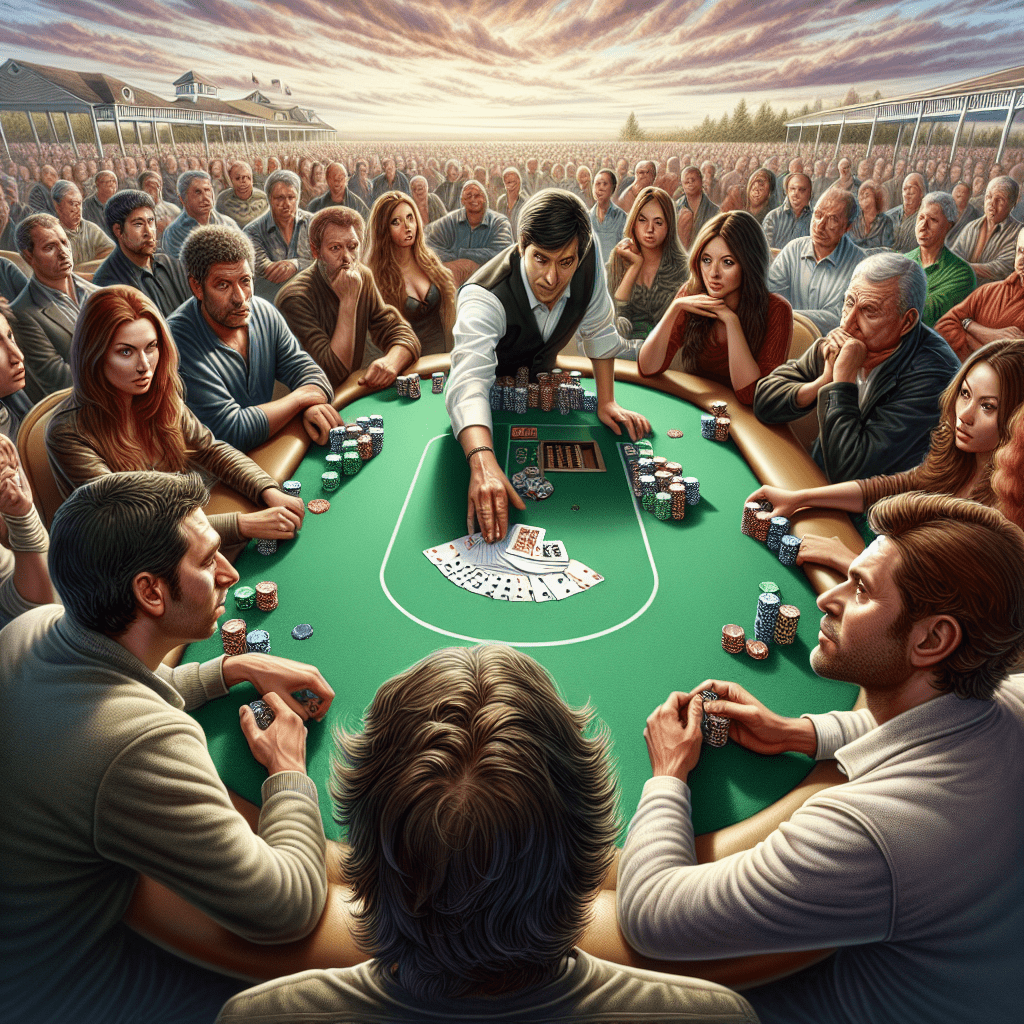
Tilt is what happens when your emotions hijack your decision-making process at the poker table. Normally, you might be meticulous: calculating odds, considering ranges, patiently waiting for the right spots. But once you’re on tilt, all that calm logic can fly out the window. Instead, you might chase losses recklessly, raise huge without any solid reason, or even pick fights with other players over nothing. In short, tilt is the poker equivalent of losing your cool, and it’s one of the biggest threats to your bankroll—and your sanity.
Why Do We Tilt?
Poker is a mental game as much as it is about cards. You’re juggling luck, skill, ego, and money. It’s not hard to see why tilt creeps in. Maybe you got outdrawn at the river by a total beginner who had no business calling your raise. Maybe you’ve been losing all night, and the frustration is boiling over. Or maybe your personal life is stressing you out, and it’s distracting you from playing your best. Anger, overconfidence, stress—any strong emotion can push you off the edge and into tilt territory.
Spotting the Signs You’re on Tilt
- Amped-Up Aggression: Suddenly shoving all-in left and right, or making giant raises “just because,” is a classic sign something’s off.
- Chasing Losses: Instead of thinking rationally, you start trying to win back every chip you lost ASAP. It’s like you’re in a panic, chasing something that’s slipping through your fingers.
- Emotional Outbursts: If you’re snapping at opponents, complaining to the dealer, or slamming your chips on the table, guess what—that’s tilt talking, not your usual self.
A Real-Life Cautionary Tale
Even poker pros, who’ve made millions and should be immune to nonsense, can fall into the tilt trap. Picture a top-ranked player known for meticulous strategy. Then, a few unlucky hands strike—one brutal bad beat after another—and suddenly they’re spewing chips, making weird hero calls and oversized bluffs. In just a short session, all their hard-earned profit might vanish. It’s a harsh reminder that no one is too good to tilt.
The Fallout of Tilt
Tilt can be devastating. When you’re tilting, you’re literally throwing money away, handing your opponents an edge they never earned. Your carefully built reputation as a solid player can crumble. And it’s not just about money or status. Tilt can suck the fun right out of the game you love, leaving you feeling stressed, drained, and downright miserable.
How to Tame the Beast
The good news: tilt can be managed. Just as athletes train their minds to handle pressure, poker players can develop mental resilience:
- Take a Breather: Feeling that anger welling up? Stand up, grab a coffee, take a short walk. A few minutes away from the table can reset your mood.
- Practice Mindfulness: Sounds a bit zen, but simple techniques like deep breathing or quick meditative exercises can snap you back to calm rationality.
- Set Boundaries: Before you sit down, decide how much you’re willing to lose and stick to that number. If you hit your limit, walk away, no questions asked.
- Self-Reflection: After a session, especially a rough one, spend time reviewing your play. Were your bad decisions triggered by tilt? Understanding the cause helps you prevent it next time.
Proof in the Numbers
Tilt isn’t just a myth. Surveys and studies on poker forums and training sites show that the majority of players admit to experiencing tilt. Many say it directly hurt their results. But the silver lining: players who actively work on tilt control—through mental game coaching, self-imposed rules, or honest self-reflection—often see a significant improvement in their win rates.
In the End, It’s About Mastery
Poker is a mental battlefield. Cards, odds, and strategies matter, but your mindset can make or break you. Tilt is a sneaky enemy: it feels personal and emotional, often blindsiding you when you least expect it. But recognizing tilt, understanding why it happens, and learning how to cool down before you lose control can transform your game. You’ll not only protect your bankroll, you’ll also keep poker enjoyable—a challenge to be embraced rather than a stress machine.
So remember, the next time that flush draw gets there on the river and your opponent smirks as he rakes in the pot, pause. Don’t let anger guide you. Take a breath. Regain your composure. The ability to rise above tilt might just be what sets the good players apart from the great ones.