What Is The Worst Hand In Poker?

In the world of poker, where strategy and psychology intertwine, understanding hand rankings is crucial for success. While players often focus on the best hands to play, it’s equally important to recognize the worst hands. Knowing what constitutes the worst hand in poker can help players make informed decisions, avoid costly mistakes, and ultimately improve their game. In this article, we will explore the worst hand in poker, its implications, and strategies for dealing with it.
The Basics of Poker Hand Rankings
Before diving into the worst hand, let’s briefly review poker hand rankings. In most poker variants, hands are ranked from highest to lowest as follows:
- Royal Flush
- Straight Flush
- Four of a Kind
- Full House
- Flush
- Straight
- Three of a Kind
- Two Pair
- One Pair
- High Card
Understanding these rankings is essential, as they form the foundation of poker strategy. Now, let’s identify the worst hand in poker.
What Is The Worst Hand In Poker?
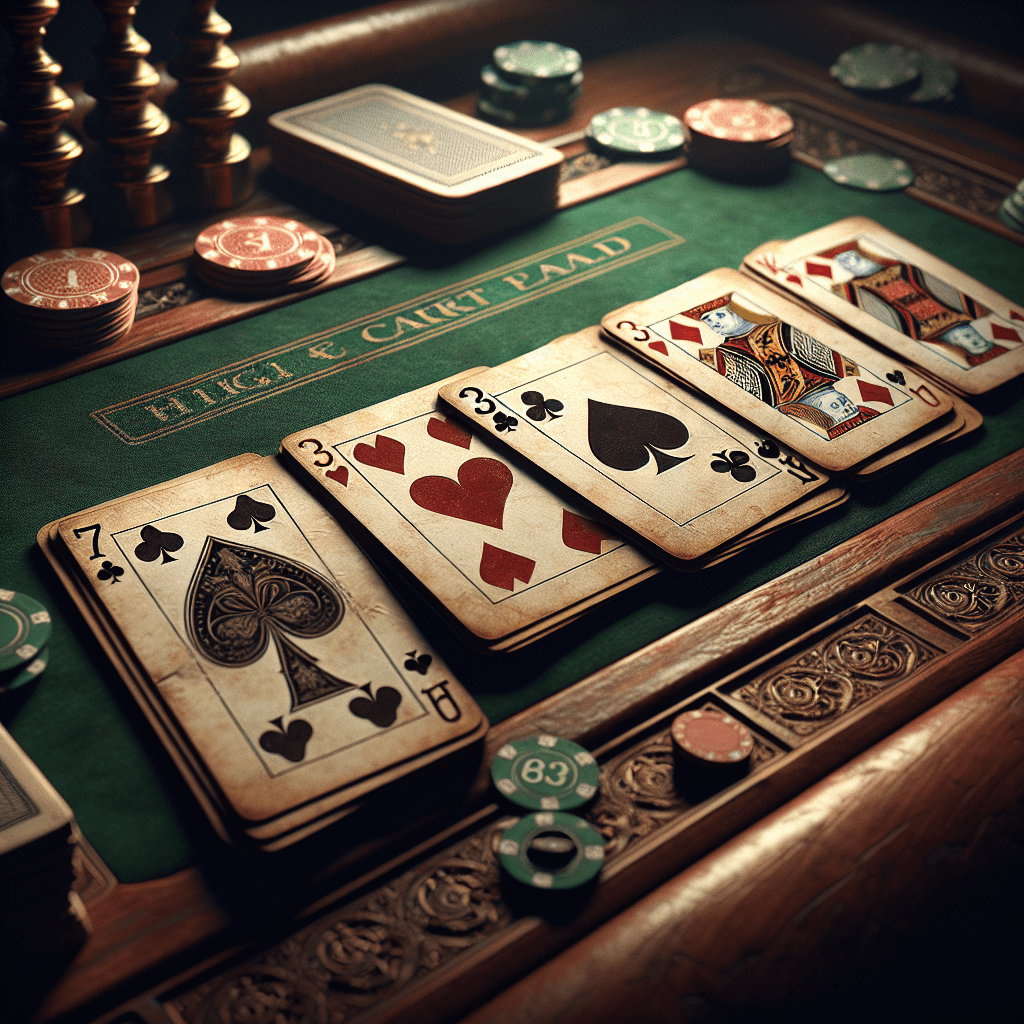
The consensus among poker players is that the worst starting hand in Texas Hold’em is 7-2 offsuit. This hand consists of a 7 and a 2 of different suits, making it a low-value hand with minimal potential for improvement. Here’s why 7-2 offsuit is considered the worst:
- Low Card Values: Both cards are low, meaning they are unlikely to form a strong pair or higher hand.
- Unconnected Cards: The cards are not consecutive, which diminishes the chances of making a straight.
- Different Suits: Being offsuit means there’s no possibility of making a flush.
Statistically, 7-2 offsuit has the lowest equity against any other random hand. In a heads-up situation, it can be expected to lose approximately 80% of the time against a stronger hand. This stark reality makes it a hand that most players would prefer to fold rather than play.
Case Studies: The 7-2 Offsuit in Action
To illustrate the futility of playing 7-2 offsuit, let’s consider a couple of hypothetical scenarios:
- Scenario 1: You are dealt 7-2 offsuit in early position. The table is aggressive, and several players have already raised. In this situation, folding is the best option. Playing this hand could lead to significant losses, especially against players who are likely to have stronger hands.
- Scenario 2: You decide to play 7-2 offsuit and see a flop of 7-5-3. You now have a pair of sevens, but the board is coordinated. If an opponent has a higher pair or a straight draw, you could easily be outplayed. The risk of betting on a weak hand can lead to costly mistakes.
These scenarios highlight the importance of understanding hand strength and the potential pitfalls of playing weak hands like 7-2 offsuit.
Strategies for Dealing with the Worst Hand
While it’s clear that 7-2 offsuit is the worst hand in poker, how should players approach such situations? Here are some strategies to consider:
- Know When to Fold: The most straightforward strategy is to fold 7-2 offsuit when dealt. Recognizing its weakness can save you chips in the long run.
- Position Matters: If you find yourself in a late position and the action is passive, you might consider playing it as a bluff. However, this is risky and should be done sparingly.
- Focus on Opponents: Pay attention to your opponents’ tendencies. If they are overly aggressive, it may be wise to fold even if you have a marginal hand.
Ultimately, the key to poker is not just about the cards you hold but also about reading the table and making strategic decisions based on the situation.
Conclusion: The Importance of Hand Awareness
In conclusion, understanding what is the worst hand in poker—specifically, 7-2 offsuit—can significantly impact your gameplay. While it may be tempting to play any hand, recognizing the strength (or lack thereof) of your cards is crucial for success in poker. By folding weak hands and focusing on stronger starting hands, players can enhance their chances of winning.
Remember, poker is not just about the cards; it’s about strategy, psychology, and making informed decisions. By being aware of the worst hands and their implications, you can navigate the complexities of the game with greater confidence and skill.