What Is The Lojack Position In Poker?
Imagine you’re sitting down at a poker table in a casino or even at your buddy’s weekly home game. One thing you’ll notice, if you pay attention, is that where you sit matters—a lot. Poker players talk endlessly about “position” because acting last gives you more information, and acting first can put you at a disadvantage. Within this world of seat assignments and decision-making, the “Lojack” position is one of those spots that often doesn’t get as much attention, but it can quietly influence your success.
The Table Layout in a Nutshell
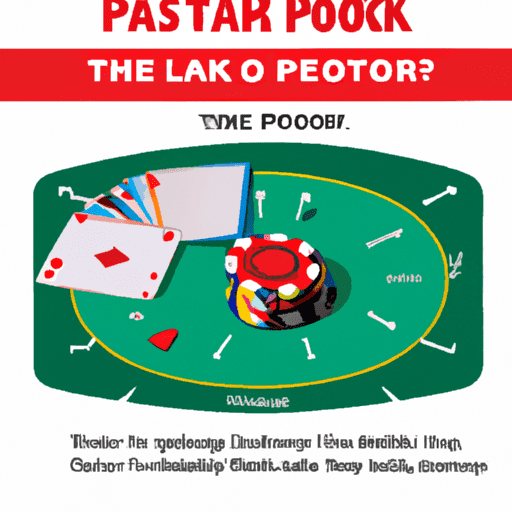
In a standard nine or ten-player Texas Hold’em game, the order in which people act is everything. The action moves clockwise, starting from the player immediately after the big blind. We have a set of shorthand terms for the different positions at the table: Early Position (like under the gun), Middle Position, and Late Position (like the cutoff and the button). Nestled in the middle of these is the Lojack seat.
So where exactly is Lojack? Well, if we number the seats based on the order they act after the blinds, Lojack is typically the third player to act after the blinds and sometimes after the under-the-gun (UTG) and UTG+1 players. The names can vary slightly depending on how many players are at the table, but generally, Lojack is considered one of the early-to-middle spots.
Why Does the Lojack Matter?
If you think about it, acting early at a poker table is tough because you must make decisions with very little info about what others might do. Acting very late, on the other hand—like on the button—is awesome because you see everyone else’s actions before making your own move. The Lojack is somewhere in between. You’re not as disadvantaged as UTG (who acts first with almost no info), but you’re still not as comfortable as the button or cutoff, who can pounce after seeing everyone else’s moves.
Because of this, the Lojack requires a careful approach. You don’t want to play as tight as you would from the earliest positions, but you also can’t be as loose and aggressive as you might be from the cutoff or button. Think of Lojack as a cautious stepping stone towards the more flexible and profitable late positions.
Adjusting Your Hand Selection
Hand selection changes by position. In early spots, you want stronger starting hands because you’re going in blind, so to speak. By the time you get to Lojack, you can widen your range a bit compared to UTG, but still lean towards quality hands.
- In early position: Play premium pairs like JJ+ or strong hands like AK.
- From Lojack: Include more big Broadway hands (like AQ, AJ suited) and medium pairs (like 99+), but stay selective.
Small pairs can still be profitable from Lojack, especially in deeper-stacked cash games. You might limp or call a small raise, hoping to catch a set (three-of-a-kind) and surprise someone who has a big overpair. But if you don’t hit your set, it’s often best to let go and wait for a better spot.
Using Position to Your Advantage
In Lojack, you’re acting before some key players (like the hijack, cutoff, and button), which means you must remain cautious. If you open-raise and get called or re-raised by players in later positions, they’re acting with more information, and you’re somewhat at their mercy.
This doesn’t mean you can’t make money from Lojack; you certainly can. It just means you need to be thoughtful. If the table is playing timid, opening more hands from Lojack can pay off. If the table is aggressive, tighten up slightly so you don’t get run over.
A Quick Scenario
Let’s say you’re dealt A♠ Q♣ in the Lojack. The UTG and UTG+1 have folded, and now it’s your turn. This is a decent spot to raise. You have a strong-ish hand that can dominate weaker Aces and many Broadway-type hands your opponents might hold. If the hijack or cutoff re-raises you, assess their tendencies. Are they loose and aggressive or tight and careful? Adjust accordingly. If they just call, you might still have the upper hand, especially if you hit top pair on the flop.
Learning From the Pros
Professional players understand that each position has its own personality. Lojack isn’t as glamorous as the button or as tense as UTG, but it’s a spot where consistent decisions can add up to profit. Pros might open a slightly wider range than UTG, but still remain selective. They watch what happens behind them and adjust accordingly.
In a Nutshell
The Lojack position in poker sits in that transition zone between the uncomfortable early spots and the more flexible late spots. Mastering Lojack means knowing when to open up your range, when to stay tight, and how to read the players acting after you.
If you can get a feel for Lojack, you’ll be one step closer to understanding the full flow of position in poker. It’s another piece of the puzzle that, once put together, helps you navigate the table with confidence. Over time, you’ll find that paying attention to the Lojack and each position’s unique challenges and opportunities will improve your overall poker strategy—and maybe bring you a few more chips along the way.