
What Is The Highest Card In Poker?
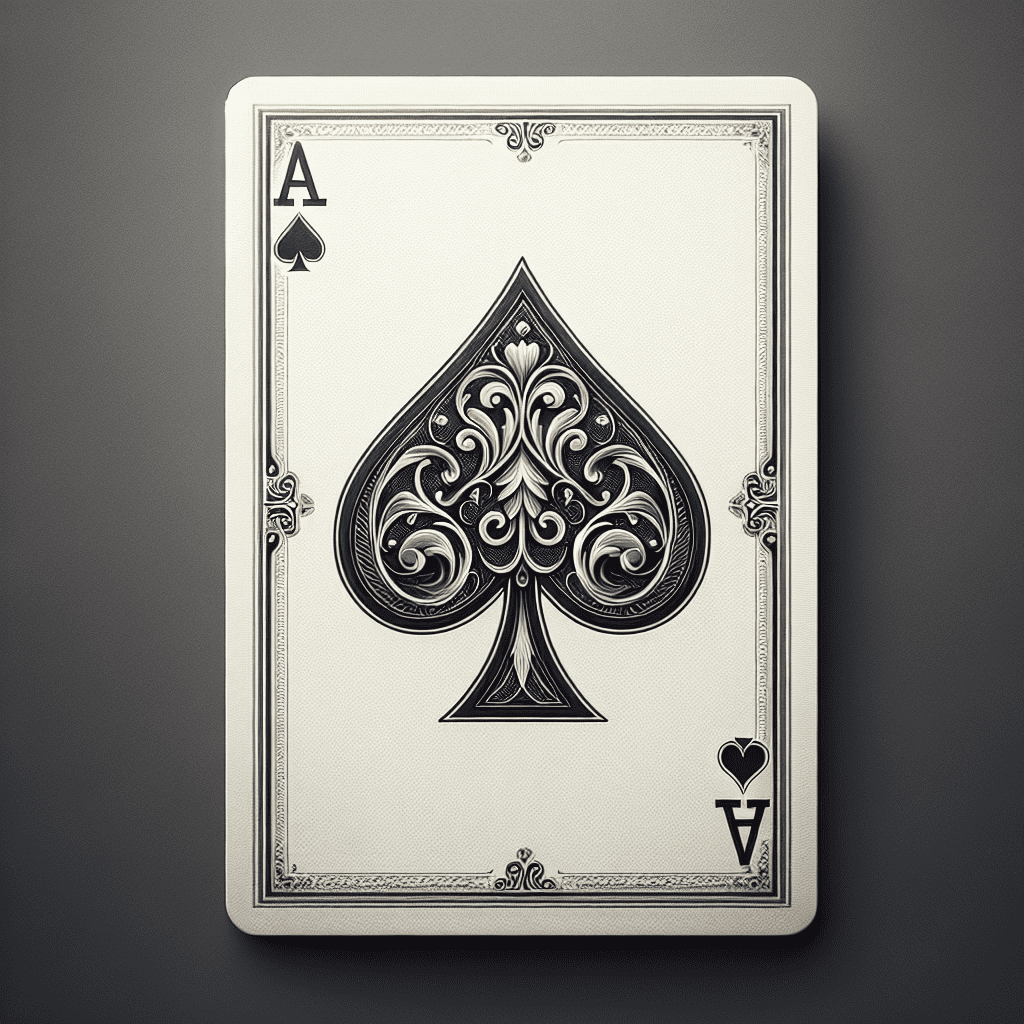
Poker is a game of skill, strategy, and a bit of luck. Among the many questions that arise in the world of poker, one stands out: “What is the highest card in poker?” Understanding the hierarchy of poker hands and the significance of high cards is crucial for both novice and seasoned players. This article delves into the intricacies of poker hand rankings, the role of high cards, and how they can influence the outcome of a game.
The Basics of Poker Hand Rankings
Before we can answer the question of the highest card in poker, it’s essential to grasp the basic structure of poker hand rankings. Poker hands are ranked from highest to lowest, and the strength of a hand determines the winner in a showdown. Here’s a quick overview:
- Royal Flush: A, K, Q, J, 10, all of the same suit.
- Straight Flush: Five consecutive cards of the same suit.
- Four of a Kind: Four cards of the same rank.
- Full House: Three of a kind plus a pair.
- Flush: Five cards of the same suit, not in sequence.
- Straight: Five consecutive cards of different suits.
- Three of a Kind: Three cards of the same rank.
- Two Pair: Two pairs of different ranks.
- One Pair: Two cards of the same rank.
- High Card: When no other hand is made, the highest card plays.
In this hierarchy, the highest card in poker is often referred to when discussing the “High Card” hand. If no player has a better hand, the player with the highest card wins. This is particularly important in games like Texas Hold’em, where players may have to rely on their highest card to win a pot.
Understanding High Cards in Poker
High cards play a pivotal role in poker, especially in situations where players do not form any of the stronger hands. The highest card can be a decisive factor in determining the winner. Here are some key points to consider:
- High Card Wins: If no player has a pair or better, the player with the highest card wins. For example, if one player has an Ace and another has a King, the player with the Ace wins.
- Kickback Factor: In cases where two players have the same high card, the next highest card (the “kicker”) is used to determine the winner. For instance, if one player has A-K and another has A-Q, the player with A-K wins.
- Bluffing Opportunities: Players can use high cards to bluff their opponents. A player holding a high card may represent a stronger hand, forcing others to fold.
Case Studies: High Cards in Action
To illustrate the importance of high cards, let’s look at a couple of case studies from notable poker tournaments.
Case Study 1: The 2003 World Series of Poker
In the 2003 WSOP, Chris Moneymaker famously turned a $39 online satellite entry into a $2.5 million victory. In one pivotal hand, Moneymaker held an Ace of hearts against his opponent’s King of diamonds. The board revealed a series of lower cards, and Moneymaker’s Ace secured him the pot, demonstrating how a high card can be the deciding factor in a critical moment.
Case Study 2: The 2019 World Series of Poker
In a dramatic final table, a player with a Queen of spades faced off against another with a Jack of hearts. The board showed 10-9-8 of mixed suits. The player with the Queen had a higher straight, winning the hand. This scenario highlights how high cards can create powerful combinations and influence the game’s outcome.
Statistics on High Cards in Poker
Understanding the statistical significance of high cards can enhance your poker strategy. Here are some interesting statistics:
- Approximately 50% of poker hands end without a pair or better, making high cards crucial in many situations.
- The probability of being dealt an Ace as your highest card in Texas Hold’em is about 15%, which can significantly impact your strategy.
- In tournaments, players often rely on high cards to bluff or force opponents to fold, especially in late-game scenarios.
Conclusion: The Importance of High Cards in Poker
In conclusion, understanding “What is the highest card in poker?” is more than just knowing the rank of cards; it’s about grasping the strategic implications of high cards in gameplay. High cards can determine the winner in many situations, especially when players fail to form stronger hands. Whether you’re bluffing with an Ace or relying on a King to win a pot, high cards are an integral part of poker strategy. As you continue to play and refine your skills, remember that every card counts, and sometimes, the highest card can lead you to victory.