What Is Rabbit Hunting In Poker: A Deep Dive into a Unique Strategy
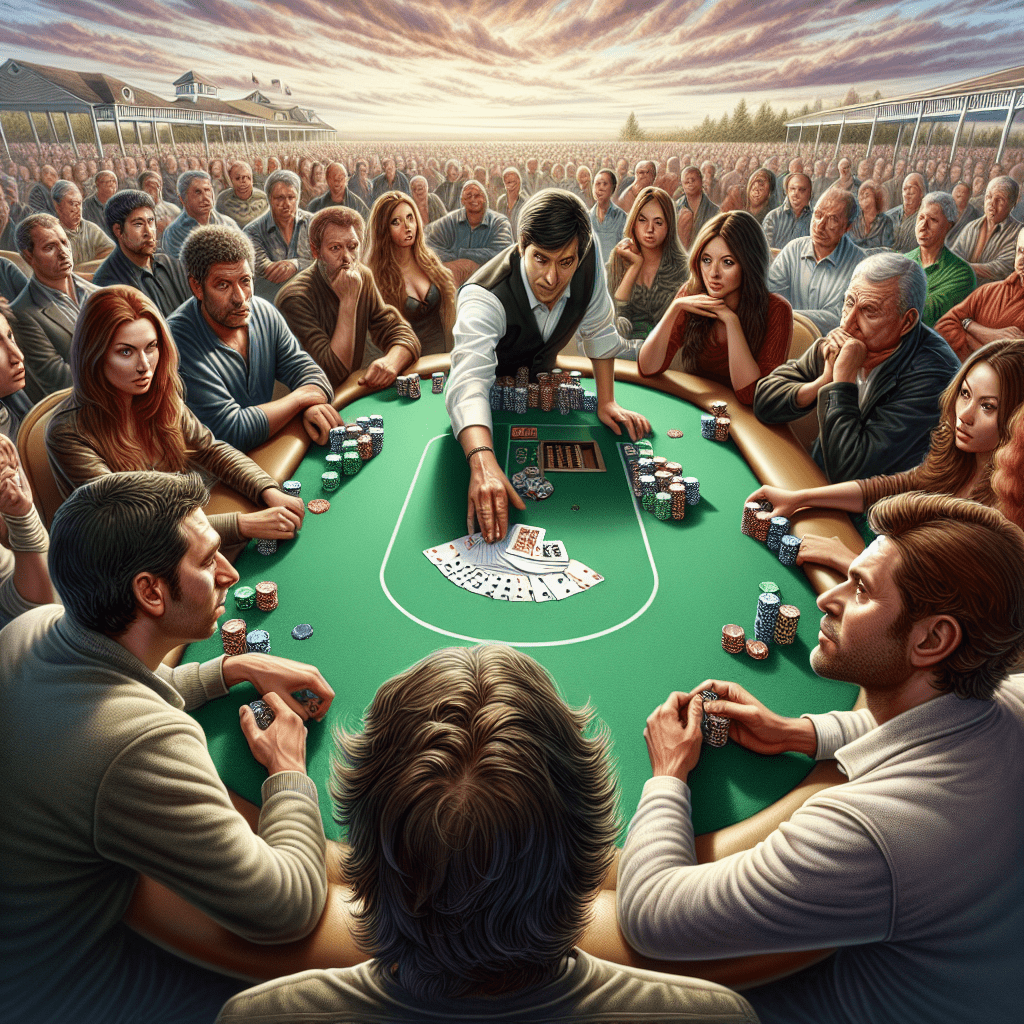
I remember the first time I saw someone do what they called “rabbit hunting” in a poker game. We were sitting around a small kitchen table late on a Friday night, cards flying and chips clinking. After a player folded his hand, he leaned over to the dealer and asked, “Hey, can we rabbit hunt?” I glanced around, confused, as the dealer revealed the next card that would’ve come on the turn. The player sighed and mumbled, “Would’ve hit my straight…” He shook his head with a grin, as if half-disappointed and half-amused. I was curious—what just happened?
So, What Exactly Is Rabbit Hunting in Poker?
Rabbit hunting is when players peek at what the next card(s) would have been if the hand had continued after someone has folded. Essentially, after a hand is decided—say, you folded before the flop or maybe after the flop—the dealer might flip over the next card or cards that were “destined” to appear if betting had gone on. It’s about satisfying that nagging curiosity: “What if I had stayed in? Would I have made my flush or straight?”
Why Do Players Rabbit Hunt?
Most often, it’s about curiosity and learning. Maybe you just folded a hand that had some potential, and you can’t help but wonder if you would have nailed that perfect card. Or you’re testing your instincts—did you make a good fold, or did you let go of a winning hand? Rabbit hunting can also spark conversation at the table, as players chuckle or groan over what could have been. It’s a window into the “what if” scenarios that define the luck and mystery of poker.
But beyond the casual fun, there can be a strategic angle too. By revealing unseen cards, players might glean information about what their opponents tend to do in certain situations, or how the deck might have run if the hand continued. It’s a controversial aspect because the more information you get, the more it might influence future decisions. Still, in many serious casinos, rabbit hunting is rare or not allowed. It’s more common in home games or relaxed settings.
The Ups and Downs of Rabbit Hunting
On one hand, rabbit hunting can be entertaining and educational. If you’re new to poker, seeing that next card might reinforce that you made the right fold. Or it might teach you that folding was a mistake, prompting you to re-evaluate your decision-making.
On the other hand, too much rabbit hunting can slow the game down and annoy players who’d rather focus on the next hand. It can also cause emotional turmoil—imagine folding a potential hand and then seeing the exact card you needed pop up next. That can throw you off your mental game, tempting you to play more loosely in the future or second-guess yourself too much.
A Real-Life Example: The Novice and the Pro
I once watched a more experienced player (let’s call him Mike) humor a beginner at our table who wanted to rabbit hunt after folding a decent draw. The dealer revealed that next card, and it showed the beginner would have nailed a full house. The newbie slapped his forehead and said, “I knew I should have called!” Mike just smiled kindly and said, “Hey, don’t let it get to you. You made the right fold at the time. You can’t read the future.”
From that moment, I realized rabbit hunting often just confirms that poker involves an element of chance you can’t control. It might help you learn, but it can also make you tilt—feeling frustrated about cards you missed out on.
Playing with Rabbit Hunting Wisely
If you’re in a setting where rabbit hunting is allowed or even encouraged, treat it as a small bonus, not a necessity. Don’t constantly ask to see the “rabbits” after every hand—that can wear on everyone’s patience. And remember, the real skill in poker comes from making good decisions with incomplete information, not from seeing what might have been. The more you rely on rabbit hunting, the more you risk shifting focus from the here and now to the land of “what ifs.”
In the End, It’s About the Journey
Poker is a game of probabilities, calculated risks, and adapting to the unknown. Rabbit hunting just peels back the curtain a bit, showing you cards that never came into play. It can be fun, it can be enlightening, but it’s not central to becoming a better player. It’s more like a sideline curiosity—like a bonus track on a music album that doesn’t change the main songs but adds a little extra flavor.
So next time someone asks, “Wanna rabbit hunt?” remember what it really means. You’re just sneaking a peek at a future that never happened, indulging a bit of curiosity in a game where mystery is half the fun. Keep it in perspective, enjoy the reveals when they happen, but don’t let them cloud your judgment or slow you down. After all, poker’s true challenge lies in making the best decisions you can without knowing what’s hidden—both in your opponents’ hands and in the cards yet to come.