What is Poker? A Deep Dive into the World of Cards and Strategy
Poker is more than just a card game; it’s a blend of skill, psychology, and chance that has captivated millions around the globe. From smoky backrooms to glitzy casinos, poker has evolved into a cultural phenomenon, with tournaments boasting multi-million dollar prizes and a dedicated following. But what exactly is poker? In this article, we will explore its history, rules, variations, and the strategies that make it a game of both luck and skill.
The Origins of Poker
The exact origins of poker are shrouded in mystery, but it is widely believed to have evolved from various card games played in Europe and Asia. Some of the earliest forms of poker can be traced back to:
- As-Nas: A Persian game dating back to the 16th century, which used a deck of 25 cards and involved betting.
- Poque: A French game that emerged in the 17th century, which closely resembles modern poker.
- Primero: A Spanish game that was popular in the 16th century, involving bluffing and betting.
By the 19th century, poker had made its way to the United States, where it underwent significant transformations. The introduction of the 52-card deck and the establishment of standardized rules helped solidify poker as a popular pastime, particularly in the American West.
Understanding the Basics: What is Poker?
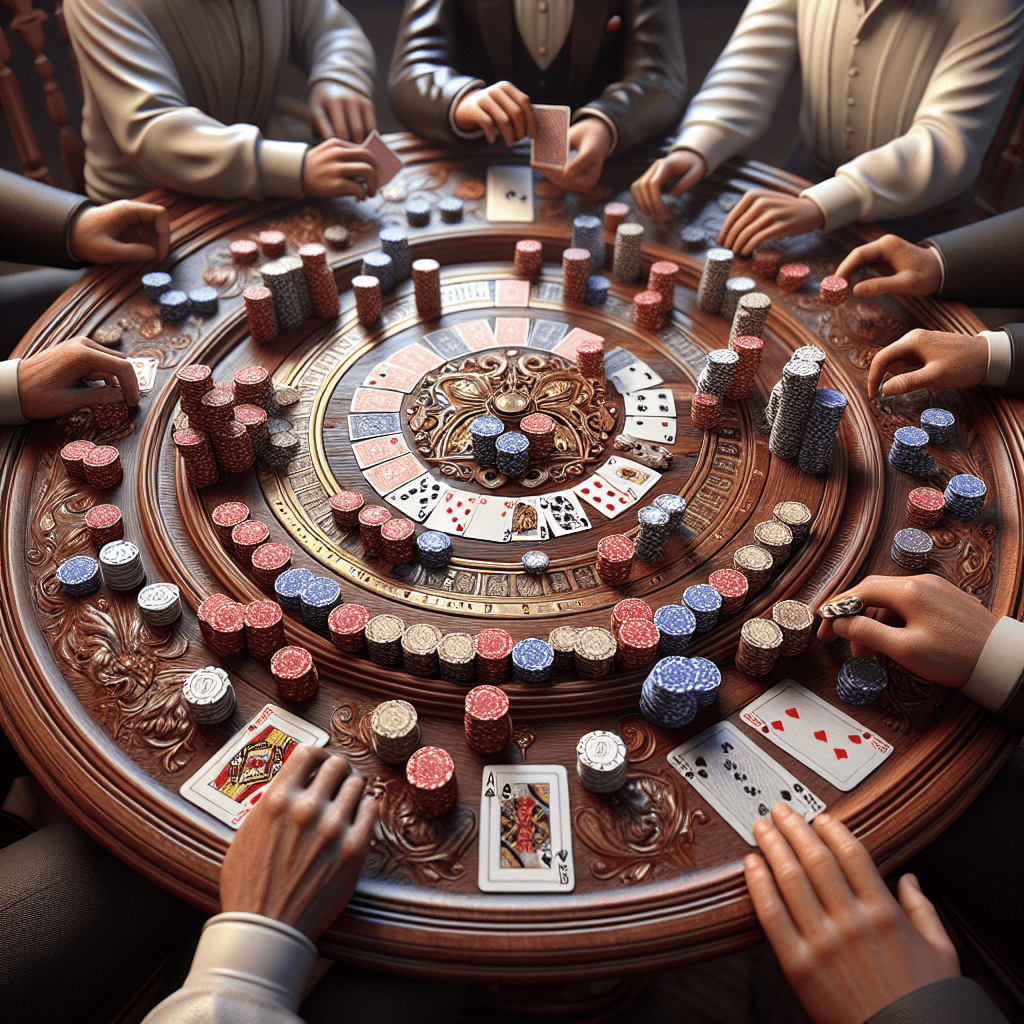
At its core, poker is a game that combines elements of chance and strategy. Players compete to win chips or money by forming the best hand or by convincing others to fold. The game typically involves the following components:
- Players: Poker can be played with 2 to 10 players at a table.
- Deck: A standard 52-card deck is used, with some variations incorporating wild cards.
- Chips: Players use chips to represent money, making it easier to bet and raise.
- Betting Rounds: Players take turns betting, raising, or folding based on their hands and the community cards.
The objective is to either have the best hand at showdown or to bluff opponents into folding their hands. The combination of skillful play and psychological tactics makes poker a unique and engaging experience.
Popular Variations of Poker
There are numerous variations of poker, each with its own set of rules and strategies. Some of the most popular include:
- Texas Hold’em: The most widely played variant, where players are dealt two private cards and use five community cards to make the best hand.
- Omaha: Similar to Texas Hold’em, but players receive four hole cards and must use two of them in combination with three of the five community cards.
- Seven-Card Stud: Players are dealt seven cards, three face down and four face up, with no community cards involved.
- Five-Card Draw: Each player is dealt five cards and has the opportunity to exchange some or all of them for new cards in hopes of improving their hand.
Each variation offers a different experience and requires distinct strategies, making poker a versatile game that appeals to a wide range of players.
The Psychology of Poker
One of the most fascinating aspects of poker is the psychological element. Players must not only focus on their own hands but also read their opponents. Key psychological strategies include:
- Bluffing: Convincing opponents that you have a stronger hand than you actually do.
- Reading Tells: Observing physical cues or betting patterns that may indicate the strength of an opponent’s hand.
- Emotional Control: Maintaining composure and not allowing emotions to dictate decisions during high-stakes situations.
Successful players often possess a keen understanding of human behavior, allowing them to make informed decisions based on their observations.
The Rise of Online Poker
With the advent of the internet, poker has experienced a significant transformation. Online poker platforms have made the game accessible to millions, allowing players to compete from the comfort of their homes. Some key statistics include:
- According to a report by Statista, the global online poker market was valued at approximately $4.5 billion in 2020.
- Major online poker sites like PokerStars and 888poker host thousands of players daily, offering various tournaments and cash games.
- The COVID-19 pandemic further accelerated the growth of online poker, as many players turned to virtual tables during lockdowns.
You can read more on the Wikipedia website – History of Poker
Online poker has not only expanded the player base but has also introduced new formats, such as fast-fold poker, which allows players to quickly move between tables.
Conclusion: The Allure of Poker
So, what is poker? It is a game that transcends mere entertainment; it is a complex interplay of strategy, psychology, and chance. Whether played in a casino, at home with friends, or online, poker offers an engaging experience that challenges players to think critically and adapt to ever-changing situations. With its rich history, diverse variations, and the thrill of competition, poker continues to captivate players around the world. As you delve into this fascinating game, remember that every hand is an opportunity to learn, adapt, and ultimately, enjoy the journey.