What Is PLO Poker? A Deep Dive into Pot-Limit Omaha
If you’re curious about shaking up your usual Texas Hold’em routine, you might’ve stumbled upon a game called Pot-Limit Omaha, often just called PLO. (I remember when I first tried it—I felt like a kid who discovered a hidden candy stash.) But what is PLO poker, really, and why are so many players gravitating to this variant? Let’s take a casual, human look at what makes PLO special.

What Is PLO Poker, Exactly?
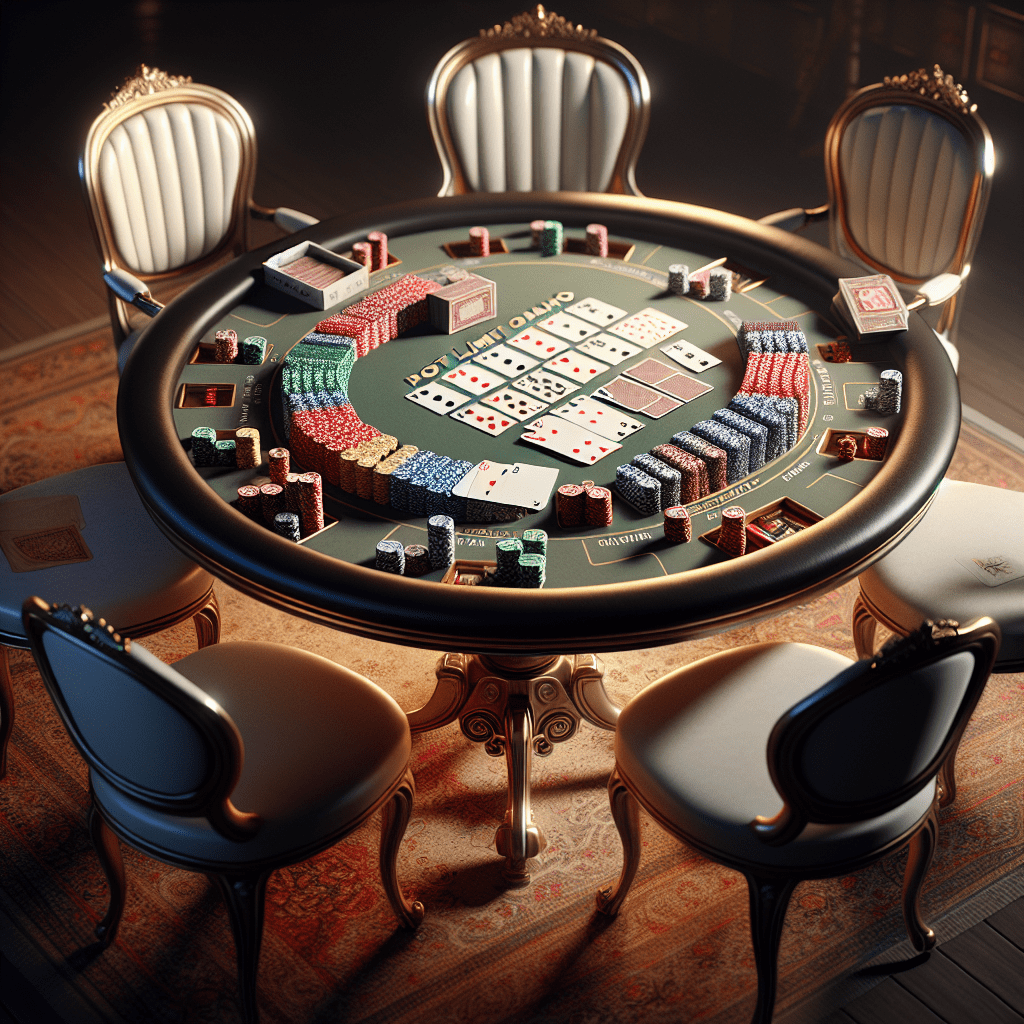
Pot-Limit Omaha (PLO) is a community-card poker game, kind of like Texas Hold’em with a twist—actually, several twists. The biggest difference? Instead of just two hole cards, you get four. That might sound like a sweet deal (double the cards, double the fun!), but it also means you’ll face trickier decisions and a lot more potential combinations. Add a betting structure where you can only bet up to the size of the pot at any given time, and suddenly you’ve got a game that demands a careful balance between bold moves and calculated restraint.
The Basics: How PLO Works
If you know Texas Hold’em, you’re halfway there. You’ve still got blinds, betting rounds, and community cards (the flop, turn, and river). The key difference is that at showdown, you must use exactly two of your four hole cards along with three of the five community cards. That might feel odd at first—no more using just one of your hole cards or all the community cards. But trust me, this rule keeps the game spicy and ensures you can’t just coast on a single great card.
Hand Strength Is Off the Charts
In PLO, strong hands get even stronger. With four hole cards, it’s easier to hit big draws and monster hands. Remember how excited you get landing two pair in Hold’em? In PLO, that’s often just a starting point. Full houses, flushes, and straights show up like uninvited guests at a house party. This means you’ll need to upgrade your thinking: good hands aren’t always good enough when your opponents can whip up a better combo from their extra cards.
Strategies: Adjusting Your Mindset
If you’re jumping in from a Hold’em background, brace yourself. PLO demands a different approach:
- Start with Better Starters: Hands that work well together (like being double-suited or having connecting ranks) are golden. Don’t just play random junk because you’ve got four cards—quality still matters.
- Position Is Key: Just like in any poker game, acting last gives you a massive advantage. In PLO, where decisions are tougher and pots can balloon quickly, controlling your position is like holding a flashlight in a dark cave.
- Keep the Pot in Check: You can only bet up to the pot size, but that can still grow huge fast. Learn to size your bets smartly. You don’t want to create massive pots with marginal hands because even a slight mistake can cost you a mountain of chips.
- Read Your Opponents: With more complex hands, your opponents might reveal patterns in how they bet. Watch closely. The way they size their bets or the timing of their raises can clue you in to what they’re holding—or at least what they want you to think they’re holding.
Why Is PLO Becoming a Big Deal?
It’s not just high rollers whispering about PLO; everyday players are tuning in, too. Major tournaments, including big events like the World Series of Poker, have given PLO some spotlight. Online sites are brimming with PLO tables, making it easier than ever to find a game at your level. Plus, if you’re a strategy nerd—or just love a challenge—PLO scratches that itch in a way that can feel deeper and more dynamic than simple Hold’em.
Final Thoughts: Embracing the Chaos
What is PLO poker, in the end? It’s a richer, wilder version of the poker you know, where creativity meets calculation, and the line between a brilliant win and a heartbreaking loss feels razor-thin. It forces you to think a couple of steps ahead, trust your reads, and know when to slam on the brakes. If you’re ready to amp up your game and embrace a dash of chaos (in a good way), PLO just might become your new obsession.
So, go on—grab four cards, breathe deep, and dive into the rollercoaster that is Pot-Limit Omaha. Chances are, once you’ve felt that adrenaline rush, you’ll never look at two-hole-card poker the same way again.