What Is An Angle Shoot In Poker: Understanding the Controversial Tactic
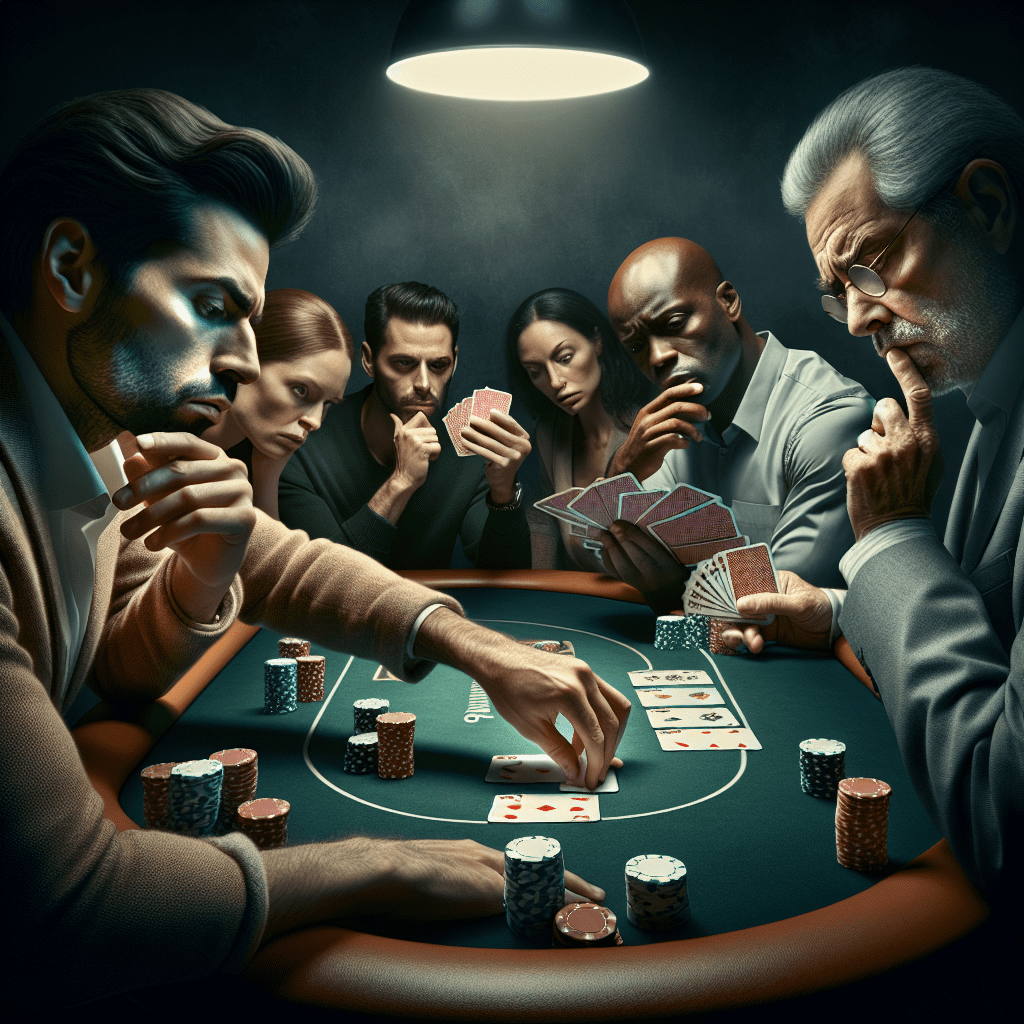
Imagine you’re sitting at a poker table, surrounded by players who’ve spent hours honing their strategies, reading their opponents, and working on their poker faces. You’re focused, you’re in the zone—then suddenly, something feels off. Maybe a player does something a bit sneaky, not exactly against the rules, but definitely not in the spirit of fair play. That’s what we’re talking about when we say “angle shoot” in poker.

So, What’s an Angle Shoot?
An “angle shoot” is a shady, borderline tactic some players use to confuse, mislead, or trick their opponents without technically breaking any official rules. Think of it as poker’s “gray area” of ethics. It’s when a player takes advantage of ambiguous situations to gain an unfair edge, leaving everyone else at the table wondering, “Did that just happen?”
Common Examples of Angle Shooting:
- Ambiguous Bets: A player might start pushing chips forward, then hesitate, making it unclear how much they’re really betting. This can trick other players into reacting prematurely.
- Misleading Speech: Saying something like, “I guess I’ll call,” while fumbling with their chips, only to later claim they never officially called.
- Feigning Weakness or Confusion: Pretending they didn’t see a bet or acting disinterested to lull opponents into a sense of security, then suddenly raising aggressively.
Why Do People Do It?
Some argue that poker is a game of deception, and angle shooting is just another layer of the mind games. They believe anything not explicitly forbidden by the rules is fair game. Others see angle shooting as crossing a moral line, turning poker from a friendly competition into a shady hustle. It can sour the atmosphere, cause arguments, and make people less willing to play with someone who uses these tactics.
The Downsides of Angle Shooting:
- Damaged Reputation: Word spreads quickly in the poker community. If you’re known as an angle shooter, players might avoid you or treat you with distrust.
- Loss of Trust: Poker relies on a mutual understanding of fair play. Breaking that trust can alienate you from games and players.
- Potential Banishment: Some casinos or poker rooms might ask habitual angle shooters to leave, as they don’t want their room to get a bad reputation.
Staying on the Right Side of the Line:
If you’re serious about poker and want to maintain good relations at the table, it’s best to steer clear of angle shooting. Here’s how:
- Be Clear and Honest: Make your actions obvious. If you’re betting, push your chips out clearly. If you’re calling, say so definitively.
- Ask for Clarification: If something’s confusing, don’t exploit the ambiguity. Instead, ask the dealer or staff to clarify the situation.
- Respect the Game and Players: Most players value competition based on skill, not trickery. Show respect to your opponents, and they’ll likely do the same.
In the End, It’s About the Experience
Angle shooting might help you win a pot today, but it can cost you respect and opportunities tomorrow. Poker is a social game—a mix of cunning, math, psychology, and, yes, sometimes a little acting. But when that acting becomes a tool to unfairly confuse or cheat your way into a win, it risks ruining the experience for everyone.
So next time you’re at the table and someone pulls a suspicious move, you’ll know: that’s an angle shoot. And if you’re ever tempted to do it yourself, remember that true poker players win with skill and savvy, not by bending the spirit of the game. It’s just more satisfying—and fun—that way.