What Is A Tell In Poker: Understanding the Subtle Signals
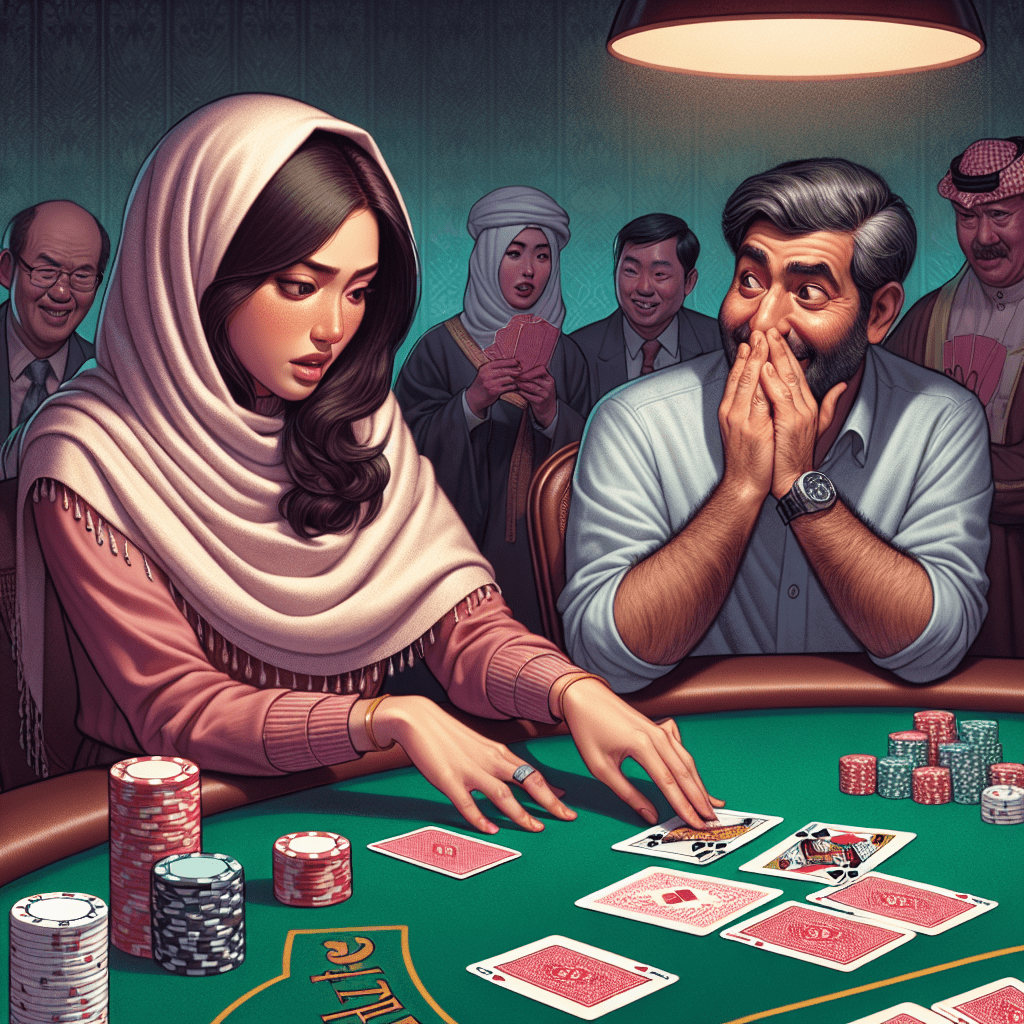
Imagine sitting at a poker table, chips clacking, the tension thick enough to slice with a dull butter knife. You’ve got a decent hand, but it’s not a slam dunk, and now you’re staring at the person across the felt, wondering what they’re hiding. Is that quick glance at their stack meaningful? Did that nervous shuffle of their feet reveal they’re bluffing? In poker, these little hints—those tiny signals people give off without even realizing it—are called “tells.”

So, What’s a Tell, Exactly?
A “tell” in poker is like an accidental confession your body or words make while your brain tries to stay poker-faced. It might be a slight tremor in your hands when you’re excited about a strong hand. It could be the way you suddenly start talking a mile a minute when you’re bluffing. Or maybe it’s that odd habit of fiddling with your chips more when you’ve got a monster holding. Essentially, tells are anything that can give away the true strength (or weakness) of your cards.
Why Do Tells Matter?
Think of poker as part math, part psychology. The math side is easy enough: odds, probabilities, pot sizes. But the psychology—understanding what’s going on behind that poker face—is where tells come in. If you can spot tells, you can guess when someone’s bluffing, when they’re strong, or when they’re just not sure what the heck they’re doing. That insight can help you make better calls, well-timed folds, and strategic raises.
Common Types of Tells
Physical Tells:
- Body Language: Leaning forward might mean they’ve got something juicy, leaning back might say “meh, I’m out of here soon.”
- Facial Expressions: A slight grin when the flop hits them perfectly or a micro-frown when the turn misses their draw.
- Fidgeting: Shaky hands, bouncing knees, or constantly touching their face—these could all mean nerves (good or bad).
Verbal Tells:
- Chatty or Silent: Suddenly getting talkative right after the turn card might mean they’re trying to seem calm (when they’re not). Going dead quiet could mean they’re focusing hard on maintaining their composure.
- Choice of Words: Over-explaining often indicates bluffing, while sharp, confident statements can hint at the nuts.
Betting Patterns:
- Timing: Hesitating too long before betting might show uncertainty; snapping out a bet might mean confidence or a planned bluff.
- Bet Size: Under-betting can suggest weakness, while over-betting might mean they’re trying to scare you away or holding the best hand in the universe.
Real-Life Examples
The Fidgety Bluff: Suppose you’ve noticed that every time your friend tries to bluff, he starts absent-mindedly stacking and unstacking his chips. You’ve picked up on it, and now, whenever you see him doing that little dance, you can call him down or raise, knowing he’s likely got junk.
The Confident Monster: Another player might get super relaxed and almost bored-looking when they hit a huge hand—like they’re too cool to care. Next time they sit back with an “I don’t even care” face, you might think twice before calling their raise.
How Do You Improve at Reading Tells?
First off, don’t expect to become a human lie detector overnight. Like anything else in poker, reading tells takes practice. Watch your opponents closely—both during hands you’re involved in and those you’re not. Start small: maybe you notice someone always cracks their knuckles when they’re nervous, or another player suddenly won’t make eye contact when they’re bluffing. Over time, patterns emerge.
Also, remember that not all tells are created equal. Some people are naturally fidgety or talkative. The key is to identify changes in their usual behavior. Is that quiet guy suddenly chatting now that he’s got a strong hand? Did the always-talkative player go stone silent for no reason?
Don’t Forget Your Own Tells
It’s not just about reading others. You’re also sending out signals, whether you know it or not. Are you sipping your drink only when you’re bluffing? Adjusting your glasses when you hit top pair? Being aware of your own tells can help you keep your strategy hidden. If you find a nervous habit, try to do it consistently regardless of your hand strength—this can throw off anyone trying to read you.
Final Thoughts
A tell in poker is like a tiny crack in your opponent’s armor, a subtle clue that can give you a big edge. By paying attention to body language, tone of voice, and betting patterns, you can start piecing together what’s really going on behind those stoic faces. Over time, you’ll get better at spotting these signals and dodging traps. Just remember: it’s a two-way street, so keep your own tells in check. Once you master both sides, you’re well on your way to becoming that player everyone else is trying—and failing—to read.