What Is A Muck In Poker: Understanding the Concept and Its Implications
In the world of poker, terminology can often be as intricate as the strategies employed at the table. One term that frequently arises, yet is often misunderstood, is “muck.” This article delves into what a muck is in poker, its significance, and how it can impact your game. Whether you’re a novice or a seasoned player, understanding this concept can enhance your poker experience.
Defining the Muck in Poker
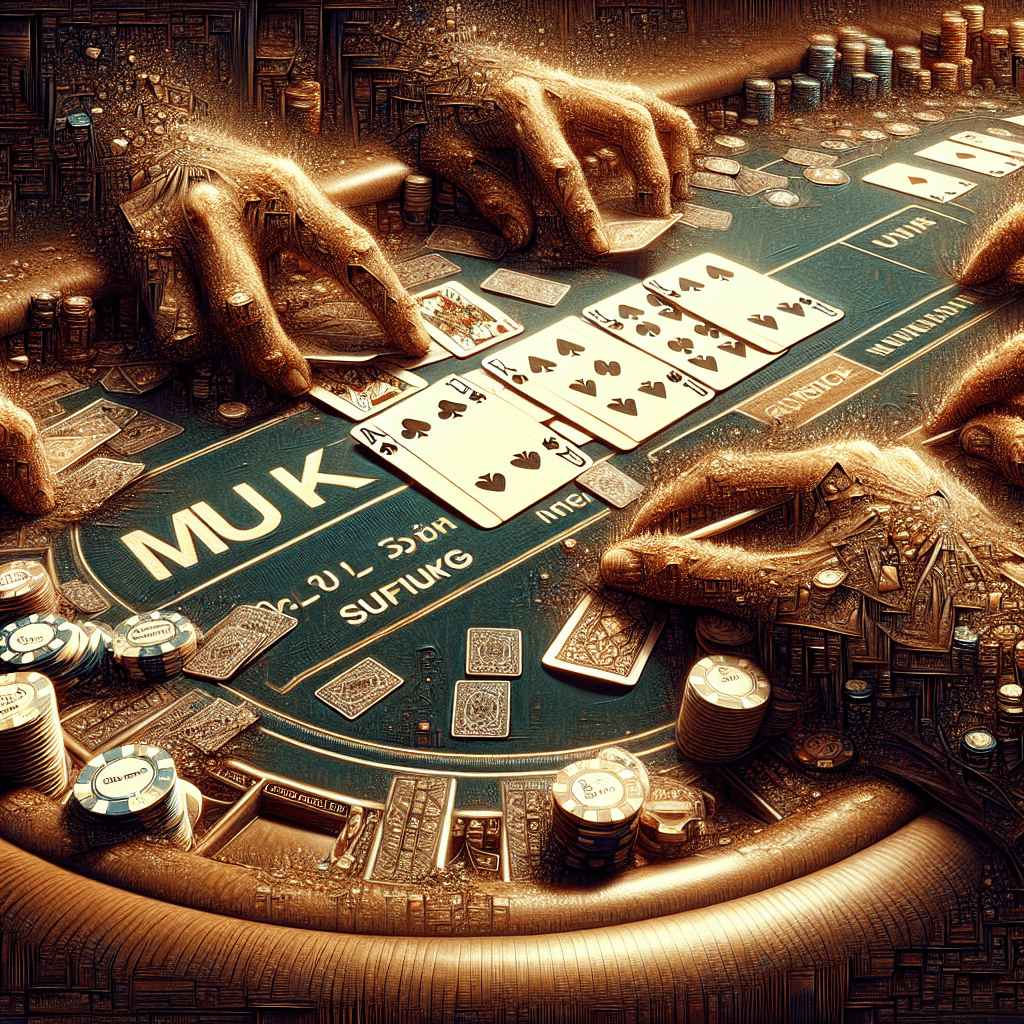
At its core, a “muck” refers to the act of discarding cards without revealing them to other players. This can occur in various situations, such as when a player folds or when the hand concludes. The muck is typically placed face down in a designated area, often referred to as the “muck pile.” Understanding this concept is crucial for several reasons:
- Game Integrity: The muck helps maintain the integrity of the game by preventing players from gaining an unfair advantage by seeing discarded cards.
- Strategic Decisions: Knowing when to muck can influence your overall strategy, especially in tournament play.
- Psychological Warfare: The act of mucking can also serve as a psychological tool, sending signals to opponents about your hand strength.
When and How to Muck Your Cards
Understanding when to muck your cards is essential for effective gameplay. Here are some common scenarios:
- Folding: The most straightforward instance of mucking occurs when a player decides to fold their hand. Instead of showing their cards, they simply place them in the muck.
- End of a Hand: After a showdown, if a player does not win the pot, they will typically muck their cards to signify the end of their participation in that hand.
- Burning Cards: In some games, players may choose to muck cards that they believe are no longer relevant to their strategy, especially if they are drawing to a hand.
The Importance of the Muck in Poker Strategy
Understanding the muck is not just about knowing what it is; it’s also about leveraging it to your advantage. Here are some strategic considerations:
- Reading Opponents: Observing how and when opponents muck their cards can provide insights into their playing style. For instance, a player who frequently mucks may be more conservative, while one who rarely does might be more aggressive.
- Bluffing Opportunities: If you sense that your opponent is unsure about their hand, you can use the muck to your advantage by bluffing. A well-timed muck can make it seem like you have a stronger hand than you actually do.
- Protecting Your Hand: Mucking can also serve as a protective measure. If you have a weak hand but are still in the game, mucking can prevent others from gaining information about your cards.
Case Studies: Mucking in Action
To illustrate the concept of mucking further, let’s consider a couple of hypothetical scenarios:
Scenario 1: The Aggressive Player
Imagine a player at a high-stakes table who has been playing aggressively. They raise the pot significantly, and after a few calls, they decide to muck their cards after the flop reveals unfavorable community cards. This action not only protects their hand but also sends a message to the table that they are willing to fold when the odds are against them.
Scenario 2: The Strategic Bluff
In another situation, a player with a mediocre hand notices that their opponent is hesitant. They decide to bluff by making a large bet, and when their opponent folds, they quickly muck their cards. This not only conceals their actual hand but also reinforces their image as a strong player, potentially influencing future hands.
Common Misconceptions About Mucking
Despite its importance, there are several misconceptions surrounding mucking in poker:
- Mucking is Always Bad: Some players believe that mucking signifies weakness. However, it can be a strategic move that protects your interests.
- You Must Show Your Cards: Many players feel obligated to show their cards when they fold. In reality, you are not required to reveal your hand unless you win the pot.
- Mucking is Only for Folds: While folding is the most common reason to muck, there are other strategic reasons to do so, as discussed earlier.
Conclusion: The Muck as a Strategic Tool
In summary, understanding what a muck is in poker is essential for any player looking to enhance their game. It serves not only as a means of discarding cards but also as a strategic tool that can influence the dynamics at the table. By recognizing when and how to muck, players can protect their interests, read their opponents, and even employ psychological tactics to gain an edge. Whether you’re folding a weak hand or bluffing your way to victory, the muck is an integral part of the poker experience that every player should master.