What Is A Gutshot In Poker: Understanding This Intriguing Hand
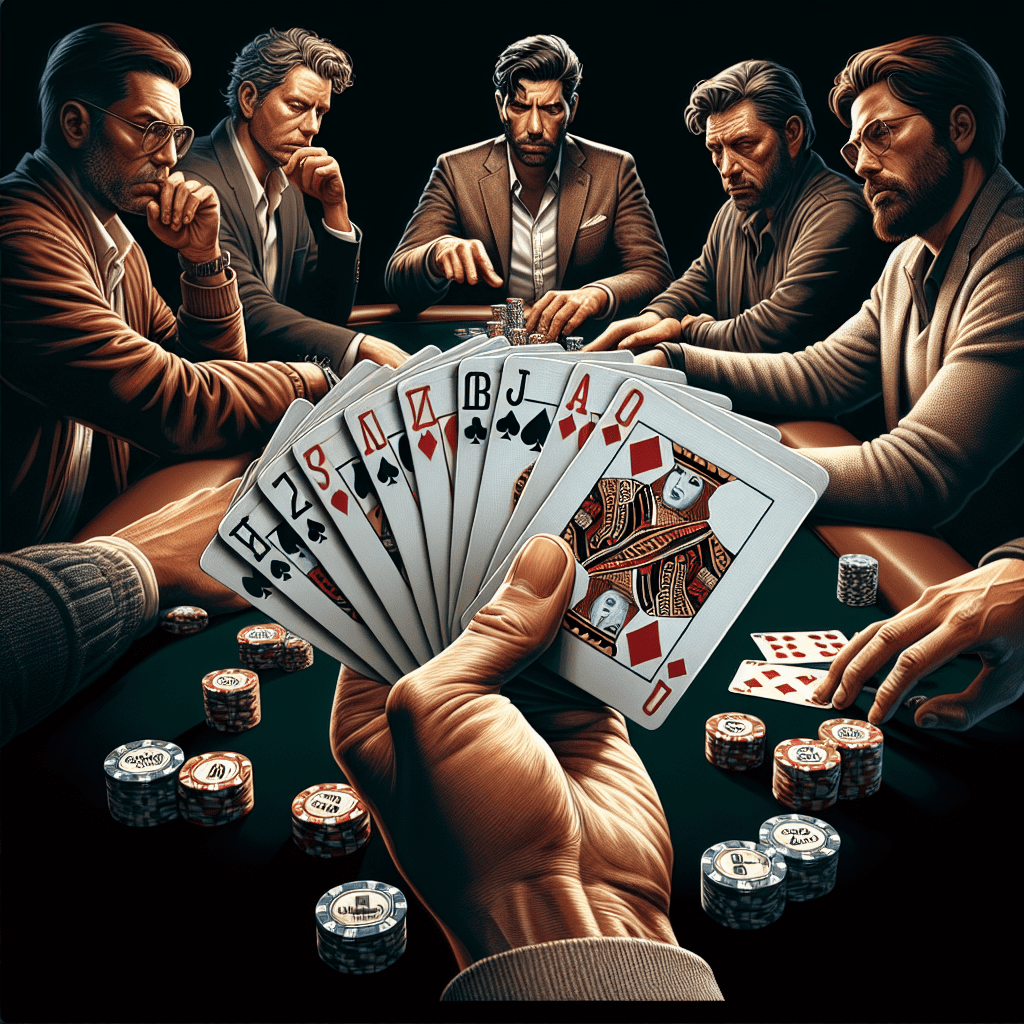
Imagine sitting at a poker table, holding your cards as the dealer lays out the community cards. You’re looking at the flop and thinking, “If just one special card appears, I’ll have a straight.” But it’s not an open-ended straight draw, where you have two ways to complete it. Instead, you need one very specific card right in the middle of your sequence. This scenario is what players call a “gutshot” straight draw.
So, What Exactly Is a Gutshot?
A gutshot straight draw occurs when you’re missing one card from the inside of your potential straight. For example, if you hold 7 and 8, and the flop comes 5 and 6, you need either a 4 or a 9 to complete a straight. But in a pure gutshot scenario, you typically have just one specific card rank you’re after. Let’s say you have 8-9 and the board is 5-6-Q. You need a 7 to fill the gap and make your straight. That’s your gutshot—only one precise card can help you.
Single vs. Double Gutshots:
- Single Gutshot: You have exactly one rank that can fill in the gap to complete your straight. You’re looking for just that one type of card (four outs total in the deck).
- Double Gutshot: Sometimes you’re fortunate enough to have two different cards that can complete your straight. This situation is better because you have more outs, effectively doubling your chances.
Why Do Gutshots Matter?
Gutshots are important because they influence how you play a hand. Knowing when you have a gutshot helps you decide if it’s worth chasing. It’s a weaker draw than an open-ended straight draw (which has eight outs instead of four), so you need to consider factors like pot odds, implied odds, and your opponents’ tendencies.
Odds and Probabilities:
Hitting a gutshot by the next card isn’t very likely. After the flop, you have four cards in the deck that can complete your straight (assuming no one else’s cards affect this). With 47 unseen cards after the flop, four of them are good for you. That’s roughly an 8.5% chance to hit it on the turn, and if that fails, another shot on the river gives you about another 8.7%. Overall, across two streets, your chance is around 17%.
That’s not huge. This is why pot odds matter so much—if the bet you’re calling is small compared to the potential pot, it might be worth taking a shot at that gutshot. If it’s expensive, maybe it’s time to fold.
A Real-World Example:
Suppose you have 8♠ and 9♠, and the flop comes 6♦, 7♣, 2♥. Initially, you have an open-ended straight draw (needing a 5 or a 10). Now imagine that after seeing one more card, the situation changes so that you only need a single card in the middle to complete your straight. At that point, you’ll have a gutshot. Should you keep calling bets to see if you hit that card? Consider how big the pot is, how aggressive your opponents are, and whether you can bluff if you miss.
When to Chase a Gutshot:
- Pot Odds: If the ratio of the pot size to the bet you must call is favorable, chasing a gutshot might make sense.
- Implied Odds: If you think you can win big if you hit your card because opponents will pay you off, it can justify the risk.
- Bluff Potential: Sometimes even the threat of completing your straight can scare opponents. If you can bluff effectively, that adds value to chasing a gutshot.
In Summary:
A gutshot straight draw is weaker than an open-ended straight draw, but understanding it can improve your strategic decisions. Poker isn’t just about the cards you’re dealt; it’s about how you play them. Recognizing a gutshot draw, knowing the odds, and deciding when to chase can give you a subtle yet important edge.
Next time you find yourself needing that one perfect card to complete your straight, think through the factors carefully. Sometimes it’ll be worth the gamble—other times, you’ll save your chips for a better spot. That’s the beauty of poker.