What Is A Good Hand In Poker: Understanding the Basics
Think about that moment when you peek at your cards in a poker game—your heart pounds, and you wonder, “Is this a hand I can actually win with?” In poker, a “good hand” can mean different things depending on the context. Yes, there’s an official ranking of hands, but the table dynamics, your position, and how your opponents play can all affect whether your hand is truly “good.” Let’s break down the basics.
The Hierarchy of Poker Hands
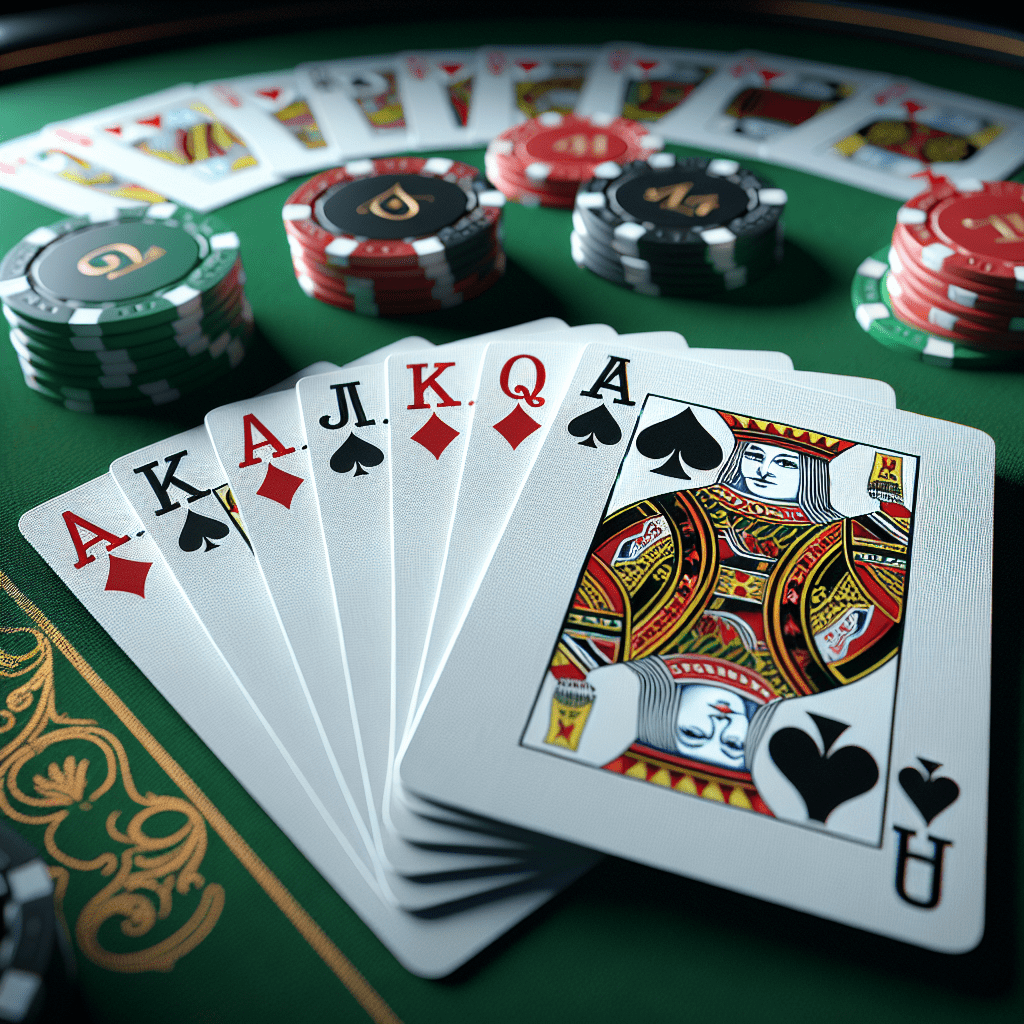
In most poker games, hands are ranked from strongest to weakest like this:
- Royal Flush: A, K, Q, J, 10, all of the same suit. The unbeatable dream hand.
- Straight Flush: Five consecutive cards of the same suit, like 5-6-7-8-9 all hearts.
- Four of a Kind: Four cards of the same rank, e.g., four Aces.
- Full House: Three cards of one rank plus two cards of another rank (e.g., three 8s and two Kings).
- Flush: Five cards of the same suit, not in sequence (e.g., 2, 5, 7, J, K of clubs).
- Straight: Five consecutive cards of different suits (e.g., 4-5-6-7-8 with mixed suits).
- Three of a Kind: Three cards of the same rank (like three Queens).
- Two Pair: Two different pairs (e.g., two 9s and two Aces).
- One Pair: Two cards of the same rank.
- High Card: When you don’t form any of the above, the highest single card you have is what matters.
The better your combination in this list, the “stronger” your hand is considered—generally speaking. But that’s only part of the story.
What Makes a Hand “Good” in Different Situations?
- Game Type:
- In Texas Hold’em, having pocket Aces (two Aces in your starting hand) is a powerhouse.
- In Omaha, you get four hole cards instead of two, which changes the odds and can make certain hands stronger or weaker than you’d expect in Hold’em.
- Position at the Table:
- Being on the button (last to act) is a big advantage. You get to see what everyone else does before making your decision.
- Early position is trickier; you act first with less info, so you need genuinely strong hands to feel confident.
- Player Skill Level: A skilled player can make the most out of even a marginal hand by reading opponents and bluffing effectively.
- Table Dynamics:
- At a tight table, speculative hands like suited connectors can become surprisingly strong if you hit a draw, because fewer players oppose you.
- At a loose table, you might need more traditionally strong hands to stand a better chance.
Real-Life Scenarios
Scenario 1: Facing an Aggressive Player
Let’s say you’re up against someone who loves to raise pre-flop. If you have KK (pocket Kings), that’s generally a great hand. But if they re-raise you, you need to weigh whether they might hold AA (pocket Aces) or if they’re just being their usual aggressive self.
Scenario 2: The Tight Table
Imagine you’re at a table where no one seems to bet unless they have something really good. You look down at 7♠ 8♠. While it’s not super strong, a flop like 6♠ 9♠ Q♥ gives you a gutshot straight draw and backdoor flush potential. A well-timed bet might let you steal the pot, or hitting your draw could pay off big.
The Odds Behind Different Hands
- Royal Flush: ~1 in 649,740 hands
- Straight Flush: ~1 in 72,193
- Four of a Kind: ~1 in 4,164
- Full House: ~1 in 694
- One Pair: Appears about 42% of the time
While top-tier hands are rare, understanding their rarity helps judge your hand’s potential. Even a pair of Aces—while strong—will only come around about once every 221 hands.
The Art of Evaluating a Good Hand
Ultimately, whether your hand is “good” depends on the big picture: your cards, your opponents, and the flow of the game. Here’s the short version:
- Learn the Rankings: Know which hands outrank which to instantly gauge your cards.
- Consider Your Position: Late position lets you make better judgments based on others’ actions.
- Understand Your Opponents: A good hand against a passive table might be different than against aggressive players.
- Know the Odds: Basic probability helps you decide if chasing a draw is worth the cost.
In Conclusion
A “good hand” in poker is more than just a set of high-ranking cards. It’s about how those cards play in context: the game, your position, and your opponents’ styles. By combining an understanding of hand rankings with situational awareness, you’ll be better prepared to decide whether to go all-in with that pair of 9s or fold without regrets. Remember, it’s not just what you have—it’s how you use it that counts.