What Is A Fish In Poker? Understanding the Terminology and Its Implications
If you’ve spent even a little time around poker tables—real or virtual—you’ve probably heard someone grumble, “What a fish!” at least once. (I remember the first time I heard the term. I looked around like, “Wait, who brought the seafood?”) So, what is a fish in poker, really? Let’s break it down in a way that doesn’t feel like a dictionary definition, because who wants to read that?
What Is A Fish In Poker?
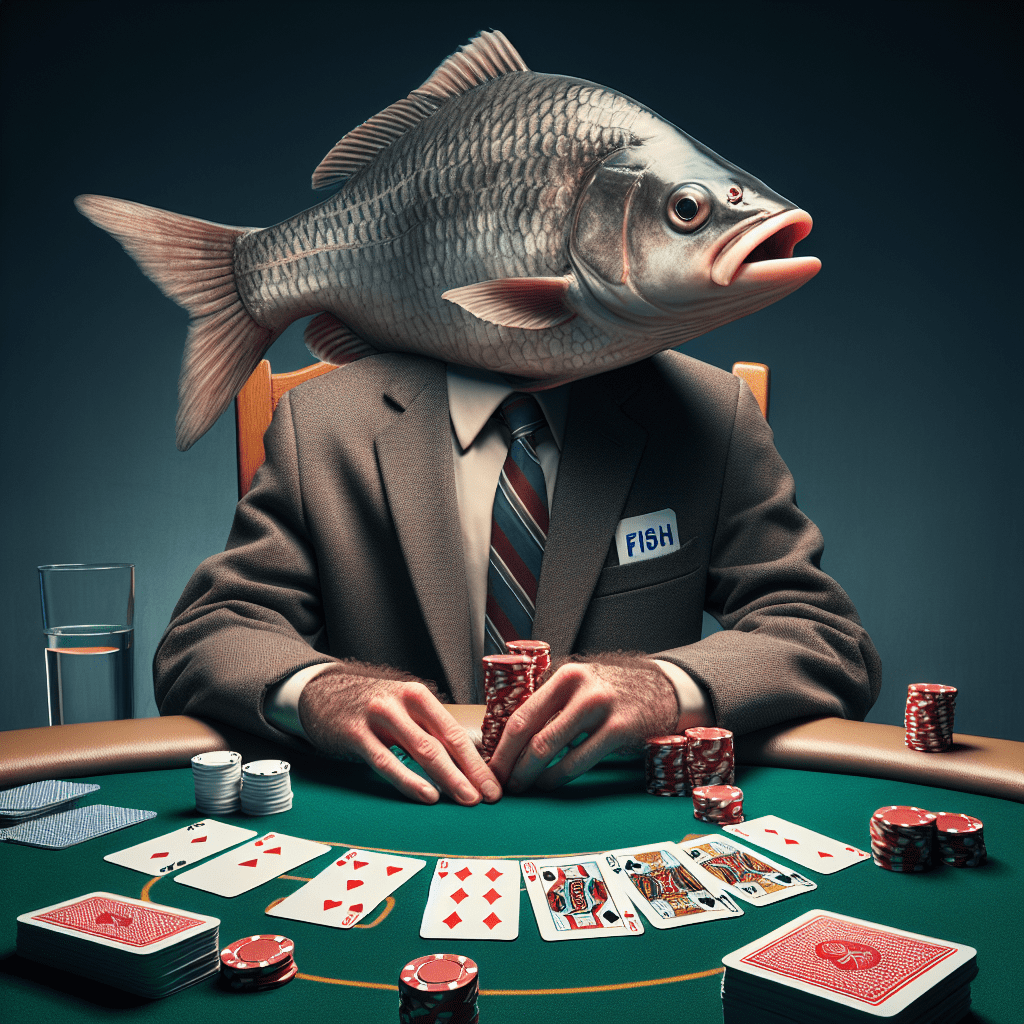
In simple terms, a “fish” is that player who’s, well, not exactly a poker genius. They’re new, unskilled, or just plain reckless. They might overvalue their hands, chase unlikely draws, and throw chips into the pot like they’re feeding a slot machine. Fish often don’t understand strategy, odds, or even the basic idea of folding a bad hand. They’re more likely to rely on gut feelings or random hunches rather than logic. (And hey, we’ve all been there at some point. Nobody starts out as a shark.)
Why Do Fish Matter to the Poker Ecosystem?
Fish are actually the secret sauce of a thriving poker scene. Without them, the game would be a bunch of cold-hearted pros grinding out tiny edges. Yawn. Fish keep things interesting because they introduce unpredictability and some downright bizarre plays that can shake up even the most seasoned players. For skilled players, fish represent opportunities to rack up big profits. For everyone else, they’re a reminder that this game is full of surprises.
Spotting a Fish at the Table
It’s not too hard to identify a fish once you know what to look for. Picture a player who:
- Calls down huge bets with bottom pair.
- Ignores table position entirely.
- Bets with random, unsuited junk hands like 9-4 off just because, “Why not?”
- Seems to have no concept of bankroll management, happily tossing money at the pot even if it’s their rent money. (Ouch.)
They might also show emotional swings—getting rattled by a bad beat and then going on tilt. That’s usually a giveaway that you’re dealing with a fishy player.
The Ripple Effect of Fish at the Table
Imagine sitting in a cash game where there’s one player who clearly doesn’t know what they’re doing. Suddenly, everyone else is on high alert. Pros start salivating because they can exploit that player’s mistakes. Other amateurs might get braver, thinking, “Hey, if he can do that, maybe I can too!” Chaos, confusion, and sometimes hilarity ensue. It can create a dynamic environment where strategies shift, and unexpected outcomes become the norm.
Real-Life (Well, Hypothetical) Scenarios
Let’s say John is a total newcomer. He sits down at a low-stakes table with $100 and starts calling raises with terrible hands—like calling a big pre-flop raise holding 7-2 offsuit, hoping to “surprise” everyone. Skilled opponents will notice this pattern and tighten up their play, waiting for the perfect moment to strike. Before John knows it, his chips disappear, and he’s left wondering where it all went wrong.
Or consider Sarah, playing an online tournament for the first time. She goes all-in on a whim with a weak hand, praying for a miracle. More experienced players see this and pounce, adjusting their strategy to anticipate her moves. The outcome is predictable: Sarah’s “fishy” tendencies give the pros a clear advantage.
The Online Fish Factor
Online poker has seen a tsunami of fish enter the waters. Why? Accessibility. Anyone can sign up, deposit a few bucks, and start playing within minutes—no need to set foot in a casino or even put on pants. The result is a steady stream of inexperienced players who keep the game alive and kicking. For better or worse, online tables are often swimming with fish, and savvy players know that’s where the easy money is.
Dealing with Fish
If you’re an experienced player, what’s your game plan? Patience, my friend. Patience and adaptability. You don’t need fancy bluffs or showy moves to beat a fish. Just tighten up, wait for good cards, and let them make the mistakes. Also, mix up your play a bit—fish might call you down no matter what, so value-bet strong hands more aggressively. Over time, their chips will migrate to your stack if you play it smart.
Embracing the Fish at the Table
It might feel mean to call someone a fish (and it can be if used with nasty intent), but remember: everyone starts somewhere. Without fish, the poker world would be stale, predictable, and way less profitable for skilled players. The presence of fish keeps the ecosystem diverse and exciting. And who knows, that fish might just evolve into a shark if they learn from their mistakes. That’s part of the beauty of poker—it’s a game of constant growth and change.
Wrapping It Up
In the end, what is a fish in poker? It’s a reminder that skill gaps exist, that patience and observation pay off, and that we all have something to learn. Whether you’re the one schooling the fish or swimming alongside them, their presence shapes the game we love, making it more vibrant, unpredictable, and downright human.