What Are Blinds in Poker: Understanding the Basics
Imagine sitting down at a poker table for the first time. You shuffle nervously in your seat, glance at the chips, the cards, the other players… and then someone says, “Okay, let’s put in the blinds.” Your first thought might be, “Blinds? Like the ones on my windows?” Trust me, I’ve been there. But in poker, blinds have nothing to do with blocking out sunlight. They’re all about jumpstarting the action, keeping the game honest, and making sure everyone has something at stake right from the start.
So, What Exactly Are Blinds?
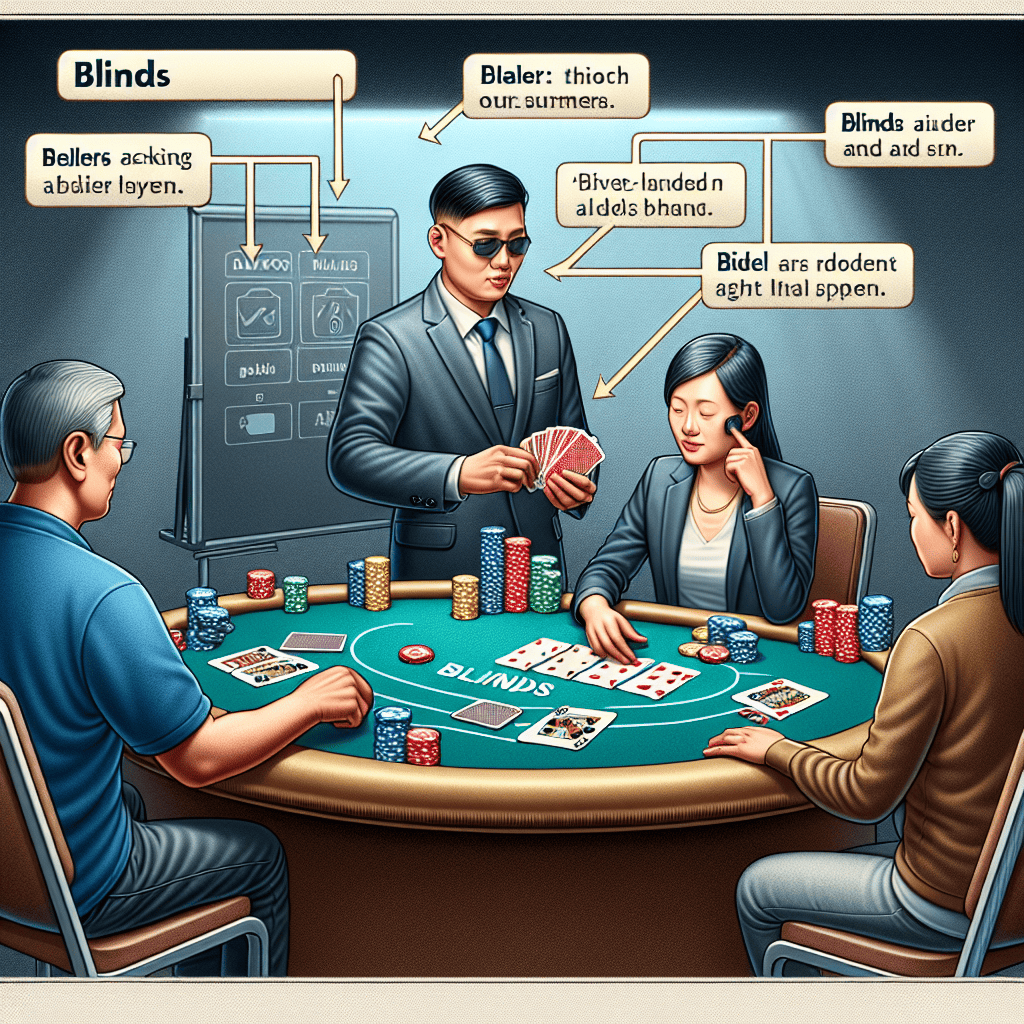
Think of blinds as little mandatory bets that two players have to place before any cards are dealt. The person immediately to the left of the dealer tosses in the “small blind,” and the next player to their left puts in the “big blind,” which is typically double that amount. Let’s say the small blind is $1—then the big blind is $2. No one has even seen a card yet, but there’s money on the table, giving everyone a reason to play.
Without these forced bets, poker would get pretty dull. If you could just fold every hand for free while you wait for two perfect Aces, you’d never get involved. The blinds force you out of your comfort zone. They say, “Hey, you’re already in this, might as well fight for the pot.” It’s like the game’s way of making sure you don’t fall asleep.
How Blinds Shape the Game
The moment the blinds are posted, you’ve got a pot worth winning. That’s why you see players raise even with sketchy hands like 7-2 offsuit occasionally—they smell the chance to snatch those blinds. Over time, this tug-of-war creates tension, excitement, and clever maneuvers. It’s a big reason why poker is more than just “wait for the best hand.”
And remember: the position of the blinds moves around the table each hand. One minute you’re safe and sound, watching others pay up, and the next you’re the one forced to cough up chips. This rotation ensures fairness and adds a layer of strategy. Maybe you decide to play tighter when you’re about to be the big blind because you know you’ll be forced to bet soon. Or maybe you adjust your style when you’re safely tucked away on the button, watching your friends squirm in the blinds instead.
Different Poker Variants, Same Concept
In games like No-Limit Texas Hold’em or Pot-Limit Omaha, blinds are standard issue. In tournaments, the blinds increase over time, pushing players to make moves. You can’t just hide forever; those blinds will keep nibbling at your chip stack. If you ignore them, you’ll blink and find yourself running out of chips. Good players adapt their strategies as blinds rise, taking risks, and timing their aggression to avoid “blinding out.”
Why You Should Care
Understanding blinds is about more than just following the rules—it’s about using them to your advantage. Maybe you notice a player in the big blind who’s too timid to defend. Great! You can raise more often from late position, “stealing” those blinds without much resistance. Or maybe you’re in the big blind with a half-decent hand, and you realize that calling a small raise isn’t so bad because you’ve already got chips out there working for you.
The Bottom Line
Blinds might sound like a small detail, but they’re the heartbeat of any poker game. They keep the dance of betting, bluffing, and raising going. Once you understand why blinds exist and what they do, you’ll start seeing opportunities that were invisible before. Whether you’re playing at home with friends or diving into a casino cardroom, knowing how to navigate the blinds is a key step to feeling confident and having more fun at the table.
So, the next time someone says, “Alright, put out the blinds,” you’ll know exactly what’s happening—and maybe you’ll even crack a sly smile, ready to use that knowledge to your advantage.