
Is Poker Legal In Texas? A Comprehensive Overview
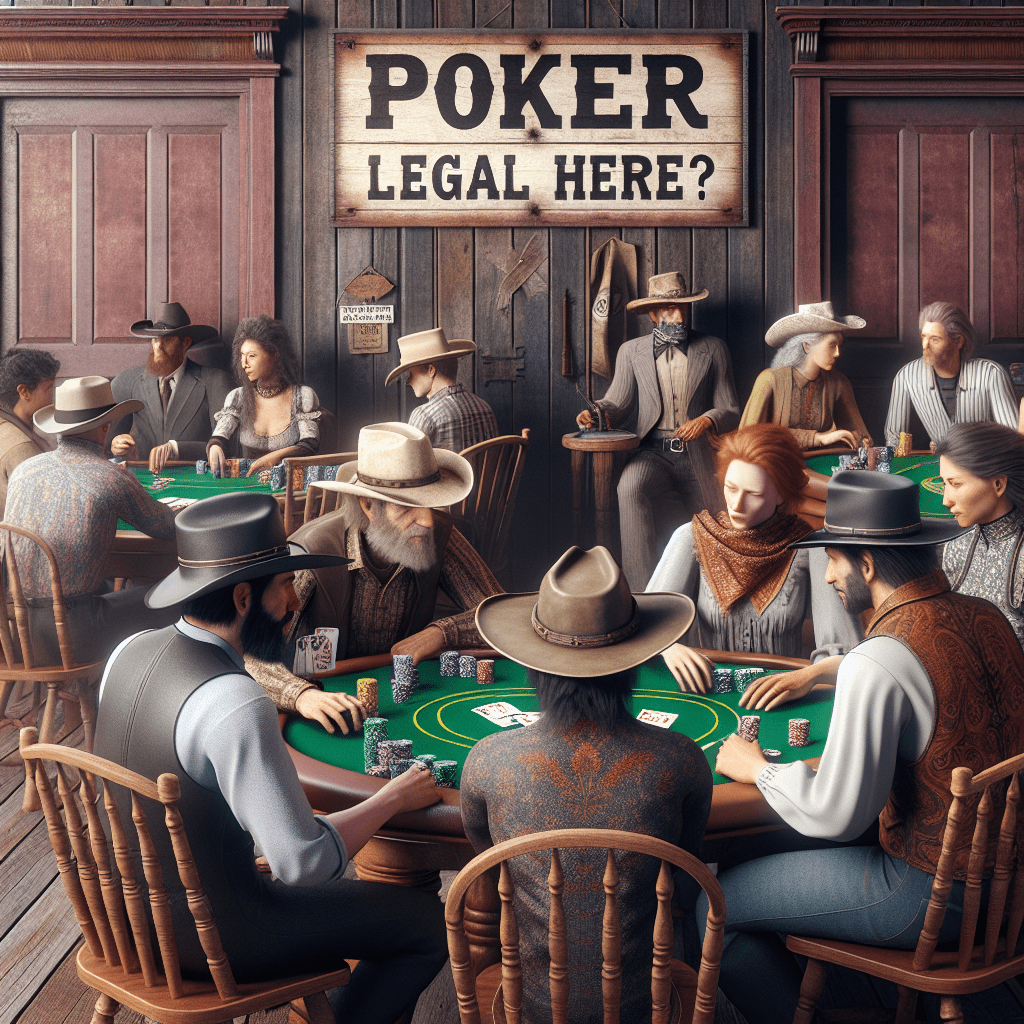
Texas, known for its vast landscapes and rich cultural heritage, is also home to a vibrant poker scene. However, the legality of poker in the Lone Star State is a complex issue that has sparked debates among lawmakers, players, and enthusiasts alike. This article delves into the intricacies of poker legality in Texas, exploring the current laws, the implications for players, and the evolving landscape of gambling in the state.
The Legal Framework of Gambling in Texas
To understand whether poker is legal in Texas, one must first grasp the broader context of gambling laws in the state. Texas has some of the strictest gambling regulations in the United States, which can be traced back to its historical roots and cultural attitudes towards gambling.
- Constitutional Provisions: The Texas Constitution prohibits most forms of gambling, with few exceptions.
- Types of Legal Gambling: The state allows certain forms of gambling, including the Texas Lottery, horse racing, and charitable bingo.
- Criminal Offenses: Engaging in illegal gambling activities can lead to criminal charges, ranging from misdemeanors to felonies, depending on the severity of the offense.
Is Poker Legal In Texas? The Current Status
When it comes to poker specifically, the answer is nuanced. While traditional poker games are not explicitly legalized, there are certain circumstances under which poker can be played legally in Texas.
Home Games: A Gray Area
Home poker games, where players gather in private residences to play for low stakes, exist in a legal gray area. According to Texas Penal Code § 47.02, gambling is defined as betting on the outcome of a game or contest. However, the law also states that a person is not engaging in gambling if they are playing in a private place and do not receive any profit from the game.
- Key Points:
- Home games must be private and not open to the public.
- No house take or rake can be taken from the game.
- Players can only wager their own money.
Charitable Poker Tournaments
Another avenue for legal poker in Texas is through charitable poker tournaments. These events are regulated under Texas law, allowing organizations to host poker games for fundraising purposes. However, strict regulations govern these tournaments, including licensing requirements and limitations on the amount of money that can be raised.
- Regulations for Charitable Tournaments:
- Organizations must obtain a license from the Texas Lottery Commission.
- Proceeds must go to a charitable cause.
- Players must be informed that the tournament is for charity.
The Rise of Online Poker
With the advent of technology, online poker has gained immense popularity. However, the legality of online poker in Texas remains a contentious issue. Currently, Texas law does not explicitly address online poker, leading to a lack of clarity for players.
- Key Considerations:
- Many players access online poker sites based outside the U.S., which operate in a legal gray area.
- Federal laws, such as the Unlawful Internet Gambling Enforcement Act (UIGEA), complicate the situation but do not specifically outlaw online poker.
- Players should be cautious, as engaging in online poker can still carry legal risks.
Case Studies: Legal Challenges and Developments
Over the years, there have been several legal challenges and developments regarding poker in Texas. These cases highlight the ongoing struggle between players seeking to enjoy the game and lawmakers attempting to regulate it.
- Case Study 1: The 2017 Poker Room Raid
In 2017, a poker room in Houston was raided by law enforcement, leading to arrests and charges against the operators. This incident sparked public outcry and discussions about the legality of poker rooms in Texas.
- Case Study 2: Legislative Proposals
In recent years, several bills have been introduced in the Texas legislature aimed at legalizing and regulating poker rooms. While none have passed, they indicate a growing interest in reevaluating the state’s gambling laws.
The Future of Poker in Texas
The future of poker in Texas remains uncertain, but there are signs of potential change. As public attitudes towards gambling evolve and neighboring states adopt more lenient laws, Texas may eventually reconsider its stance on poker.
- Potential Changes:
- Increased advocacy from poker players and organizations.
- Growing acceptance of gambling as a form of entertainment.
- Possible ballot initiatives to legalize poker and other forms of gambling.
Conclusion: Navigating the Poker Landscape in Texas
In conclusion, the question of “Is Poker Legal In Texas?” is not a straightforward one. While traditional poker games are largely illegal, home games and charitable tournaments provide avenues for players to engage in the game legally. The rise of online poker adds another layer of complexity, as players navigate a landscape fraught with legal uncertainties.
As Texas continues to grapple with its gambling laws, the future of poker in the state remains a topic of interest and debate. For now, players should remain informed about the legalities and exercise caution when participating in poker games, whether at home or online. The evolving nature of gambling laws in Texas may one day lead to a more favorable environment for poker enthusiasts, but until then, understanding the current legal framework is essential for anyone looking to enjoy the game.