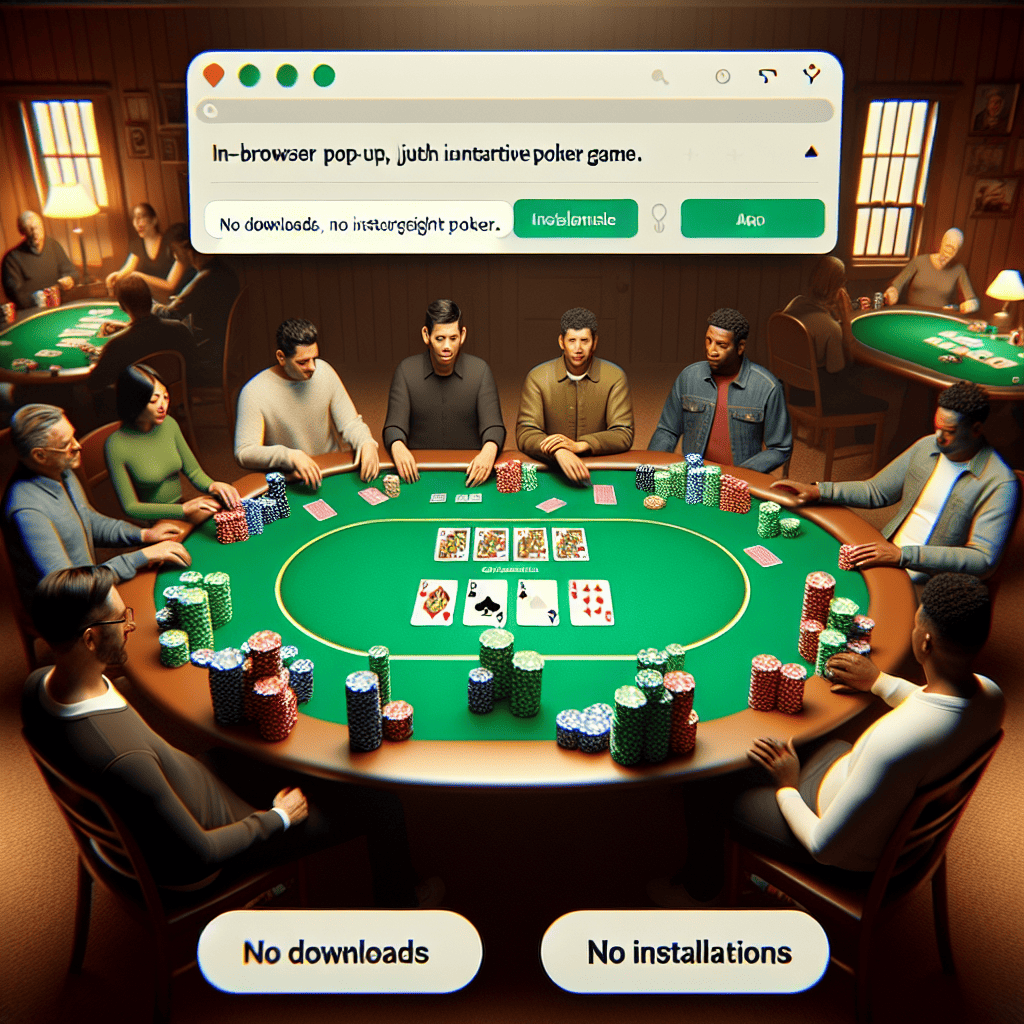
Is Poker Legal In Pennsylvania? A Comprehensive Overview

Poker, a game of skill and chance, has captivated players around the world for centuries. In the United States, the legality of poker varies significantly from state to state, leading many enthusiasts to wonder: is poker legal in Pennsylvania? This article delves into the legal landscape of poker in Pennsylvania, exploring its history, current regulations, and the implications for players and operators alike.
The Evolution of Poker Legislation in Pennsylvania
To understand the current status of poker in Pennsylvania, it’s essential to look back at its legislative history. The state has undergone significant changes in its gambling laws over the past few decades.
- Pre-2004: Before the early 2000s, poker was largely illegal in Pennsylvania, with few exceptions for private games.
- 2004: The Pennsylvania Gaming Control Board (PGCB) was established following the legalization of slot machines in the state. This marked a turning point for gambling regulations.
- 2010: The state legalized table games, including poker, at licensed casinos, allowing for a regulated environment for players.
- 2017: Online poker was legalized, expanding the options for players and operators.
These changes reflect a broader trend across the United States, where states are increasingly recognizing the potential economic benefits of regulated gambling.
Current Legal Status of Poker in Pennsylvania
As of now, poker is indeed legal in Pennsylvania, both in physical casinos and online platforms. Here’s a breakdown of the current legal framework:
Live Poker in Casinos
In Pennsylvania, licensed casinos are permitted to offer live poker games. The PGCB oversees these establishments, ensuring compliance with state regulations. As of 2023, there are several casinos in Pennsylvania that feature poker rooms, including:
- Parx Casino
- Mount Airy Casino Resort
- Hollywood Casino at Penn National Race Course
- Mohegan Sun Pocono
These venues host a variety of poker games, including Texas Hold’em, Omaha, and Seven Card Stud, catering to both casual players and serious competitors.
Online Poker Regulations
In 2017, Pennsylvania became the fourth state in the U.S. to legalize online poker. This move allowed licensed casinos to offer poker games through digital platforms. Key points regarding online poker in Pennsylvania include:
- Players must be at least 21 years old to participate.
- Online poker operators must obtain a license from the PGCB.
- Geolocation technology is used to ensure that players are physically located within Pennsylvania when playing.
Popular online poker sites in Pennsylvania include PokerStars, BetMGM, and WSOP.com, providing a robust selection of games and tournaments for players.
Economic Impact of Poker in Pennsylvania
The legalization of poker has had a significant economic impact on Pennsylvania. The state has seen increased revenue from both live and online poker operations. According to the PGCB, the revenue generated from table games, including poker, has consistently contributed to the state’s budget.
- In 2022, Pennsylvania’s casinos generated over $1.5 billion in revenue from table games.
- Online poker has also seen growth, with revenues reaching approximately $30 million in 2022.
This influx of revenue not only benefits the state but also creates jobs and stimulates local economies. The poker industry has become a vital component of Pennsylvania’s overall gambling landscape.
Challenges and Controversies
Despite the positive aspects of legalized poker, there are challenges and controversies that persist. Some of these include:
- Problem Gambling: The rise of poker, both live and online, has raised concerns about problem gambling. The state has implemented measures to address this issue, including responsible gambling programs and self-exclusion options.
- Regulatory Challenges: As the online poker market grows, regulatory challenges arise, particularly concerning interstate play and the sharing of player pools.
- Competition with Neighboring States: Pennsylvania faces competition from neighboring states like New Jersey and Delaware, which have also legalized online poker. This competition can impact player traffic and revenue.
Addressing these challenges will be crucial for the continued success and sustainability of poker in Pennsylvania.
Future of Poker in Pennsylvania
The future of poker in Pennsylvania looks promising, with ongoing discussions about potential expansions and innovations in the industry. Some trends to watch include:
- Interstate Compacts: There is potential for Pennsylvania to enter into interstate compacts with other states, allowing for shared player pools and increased liquidity in online poker.
- Technological Advancements: The integration of new technologies, such as virtual reality and blockchain, could enhance the online poker experience.
- Increased Awareness and Education: As more players become aware of the legal status of poker, participation rates may rise, further boosting the industry.
These developments could solidify Pennsylvania’s position as a leading state for poker enthusiasts.
Conclusion
In conclusion, poker is indeed legal in Pennsylvania, with a well-established framework for both live and online play. The state has made significant strides in regulating the industry, leading to economic benefits and increased player participation. However, challenges remain, particularly concerning problem gambling and competition from neighboring states. As the landscape continues to evolve, Pennsylvania is poised to remain a key player in the world of poker, offering exciting opportunities for both players and operators.
Whether you’re a seasoned pro or a casual player, understanding the legal status of poker in Pennsylvania is essential for enjoying the game responsibly and within the bounds of the law. With ongoing developments and a commitment to regulation, the future of poker in Pennsylvania looks bright.