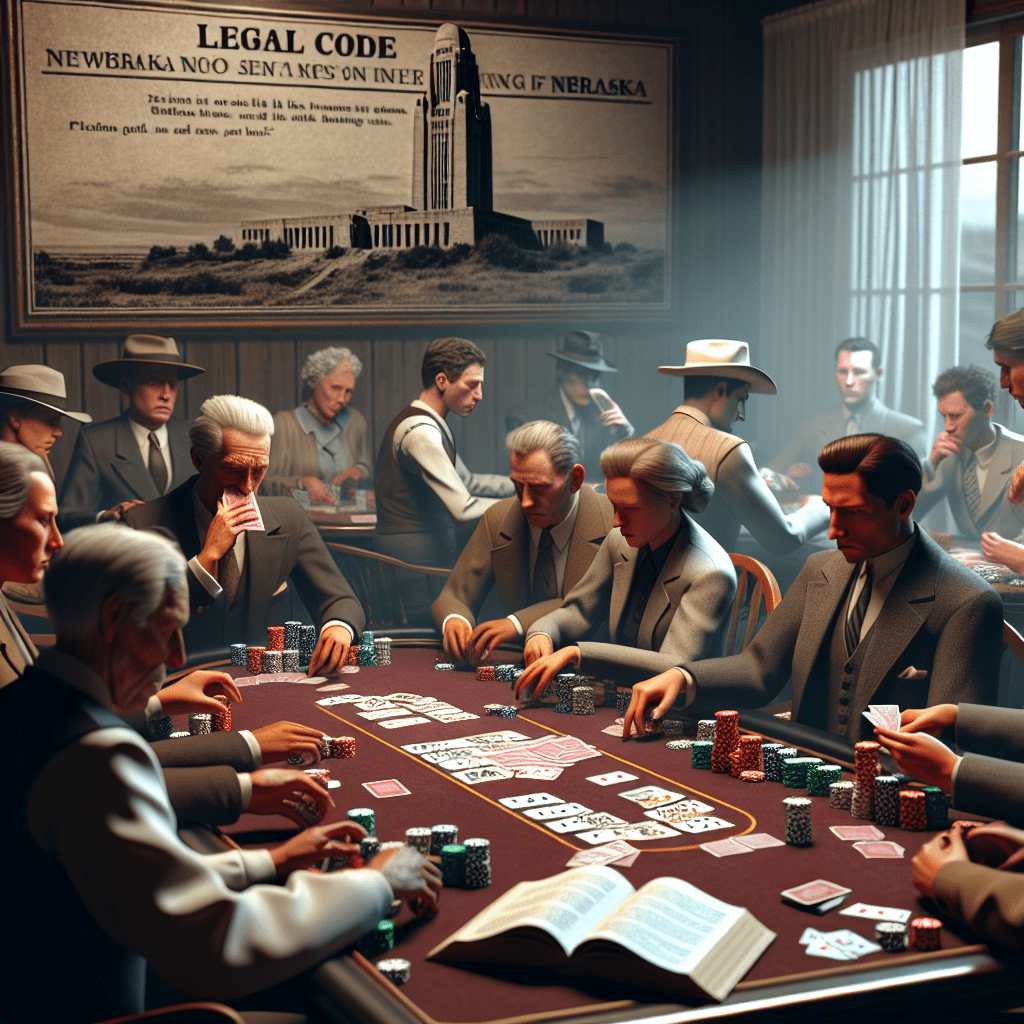
Is Poker Legal In Nebraska? A Comprehensive Overview

Poker, a game of skill and chance, has captivated players around the world for centuries. In the United States, the legality of poker varies significantly from state to state, leading to confusion among players and enthusiasts. One state that has seen a shift in its gambling laws in recent years is Nebraska. This article delves into the question: Is poker legal in Nebraska? We will explore the state’s gambling laws, recent changes, and the implications for players and operators alike.
The Legal Landscape of Gambling in Nebraska
To understand the legality of poker in Nebraska, it is essential to first grasp the broader context of gambling laws in the state. Nebraska has a long history of restrictive gambling regulations, but recent developments have begun to reshape the landscape.
- Historical Context: For many years, Nebraska’s gambling laws were among the strictest in the nation. The state only allowed certain forms of gambling, primarily focused on charitable gaming and limited forms of lottery.
- Constitutional Amendments: In 2020, Nebraska voters approved a constitutional amendment that allowed for the expansion of gambling, particularly in the form of casino gaming at licensed racetracks.
- Legislative Changes: Following the amendment, the Nebraska Legislature passed laws to regulate and license casinos, paving the way for a new era of gambling in the state.
Is Poker Legal In Nebraska? The Current Status
With the recent changes in legislation, the question remains: Is poker legal in Nebraska? The answer is nuanced and depends on several factors.
Casino Poker Rooms
As of now, poker is legal in Nebraska, but only in specific contexts. The state has authorized poker games to be played in licensed casinos, particularly those located at racetracks. This means that players can enjoy poker in a regulated environment, ensuring fair play and adherence to state laws.
- Types of Poker Games: Licensed casinos can offer various forms of poker, including Texas Hold’em and Omaha, which are among the most popular variants.
- Regulations: The Nebraska Gaming Commission oversees the licensing and regulation of poker rooms, ensuring compliance with state laws.
Home Games and Social Poker
While casino poker is now legal, the status of home games and social poker remains a gray area. Nebraska law does not explicitly prohibit private poker games, but there are restrictions that players should be aware of.
- Charitable Gaming: Nebraska allows for charitable poker events, where proceeds benefit nonprofit organizations. These events must be licensed and adhere to specific regulations.
- Private Games: Home games can be played, but they must not involve a house take or rake. This means that players cannot profit from hosting the game.
The Impact of Legal Poker on Nebraska’s Economy
The legalization of poker in Nebraska has significant implications for the state’s economy. As casinos begin to open and offer poker games, several potential benefits emerge:
- Job Creation: The establishment of poker rooms and casinos creates jobs in various sectors, from hospitality to gaming management.
- Increased Revenue: Legal poker generates tax revenue for the state, which can be allocated to public services such as education and infrastructure.
- Tourism Boost: With the introduction of casinos, Nebraska may attract tourists seeking entertainment options, further stimulating the local economy.
Challenges and Considerations
Despite the positive outlook, the legalization of poker in Nebraska is not without its challenges. Stakeholders must navigate various issues to ensure a successful implementation of poker regulations.
- Regulatory Compliance: Casinos must adhere to strict regulations set forth by the Nebraska Gaming Commission, which can be complex and costly.
- Public Perception: Some residents may still hold negative views on gambling, leading to potential pushback against new establishments.
- Competition: As neighboring states also expand their gambling offerings, Nebraska must remain competitive to attract players.
Future of Poker in Nebraska
The future of poker in Nebraska looks promising, but it will require ongoing efforts from lawmakers, casino operators, and the community. As the state continues to adapt to its new gambling landscape, several trends may shape the future of poker:
- Online Poker: While currently not legal, there is ongoing discussion about the potential for online poker in Nebraska. If legalized, this could significantly expand the player base.
- Expanded Gaming Options: As casinos grow, there may be opportunities to introduce more poker variants and tournaments, attracting a wider audience.
- Community Engagement: Building positive relationships with local communities will be crucial for the long-term success of poker in Nebraska.
Conclusion
In conclusion, the question “Is poker legal in Nebraska?” can be answered affirmatively, with the caveat that it is primarily legal in licensed casinos. The recent changes in legislation have opened the door for poker enthusiasts to enjoy the game in a regulated environment, while also presenting opportunities for economic growth in the state. However, challenges remain, and stakeholders must work collaboratively to navigate the evolving landscape of gambling in Nebraska. As the state continues to embrace its new gaming laws, the future of poker looks bright, promising a vibrant community of players and operators alike.