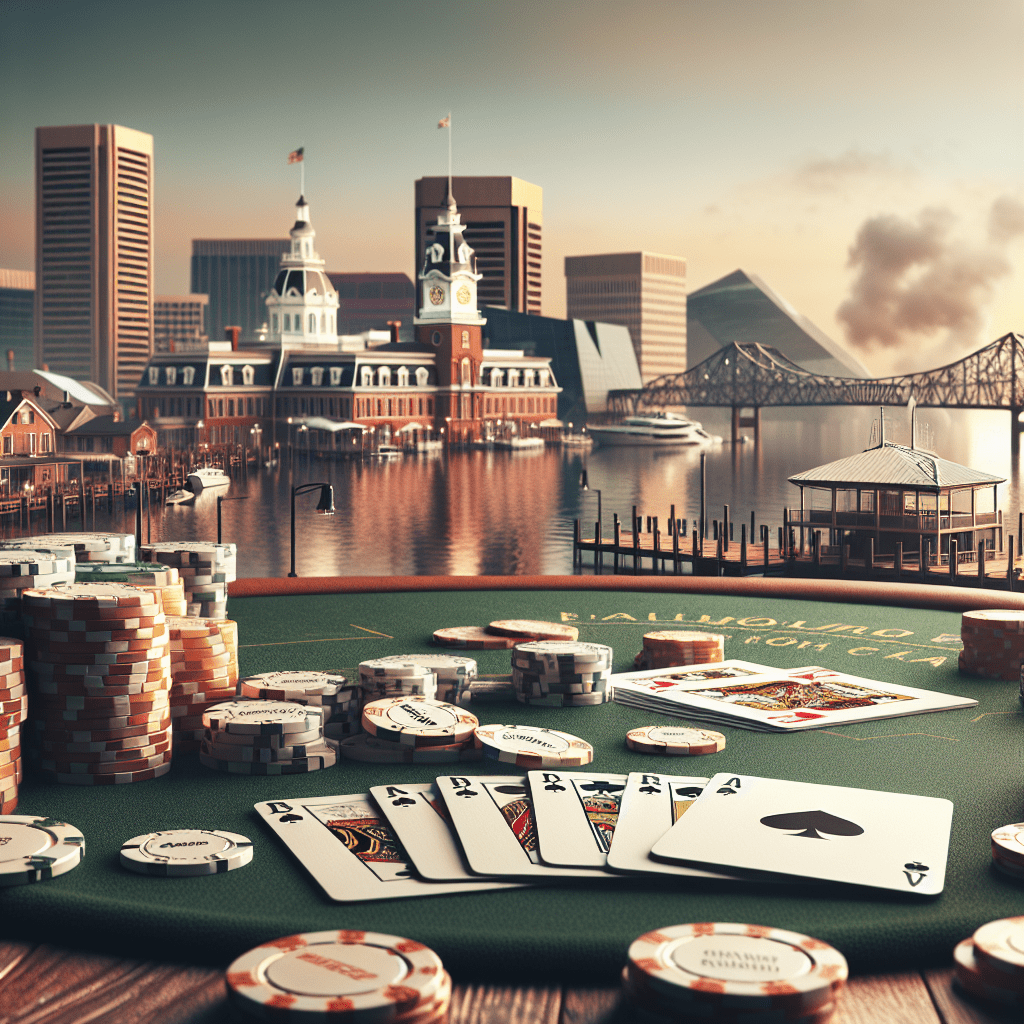
Is Poker Legal In Maryland? A Comprehensive Overview
As one of the most popular card games in the world, poker has captivated players for generations. However, the legality of poker varies significantly from state to state in the United States. In this article, we will explore the question: “Is poker legal in Maryland?” We will delve into the state’s gambling laws, the types of poker games permitted, and the implications for players and operators alike.
Understanding Maryland’s Gambling Landscape
Maryland has a rich history of gambling, with various forms of gaming being legal and regulated. The state has made significant strides in expanding its gambling options over the years, including the introduction of casinos and sports betting. However, the legality of poker specifically requires a closer examination.
Types of Gambling Allowed in Maryland
Before we can answer the question of whether poker is legal in Maryland, it’s essential to understand the broader context of gambling laws in the state. Maryland allows several forms of gambling, including:
- Casino gaming
- Sports betting
- Lottery games
- Charitable gaming
Each of these categories has its own set of regulations and requirements, which can impact the legality of poker games in various settings.
The Legal Status of Poker in Maryland
So, is poker legal in Maryland? The answer is nuanced. Poker is legal in certain contexts, but there are restrictions that players and operators must be aware of.
Home Games and Social Poker
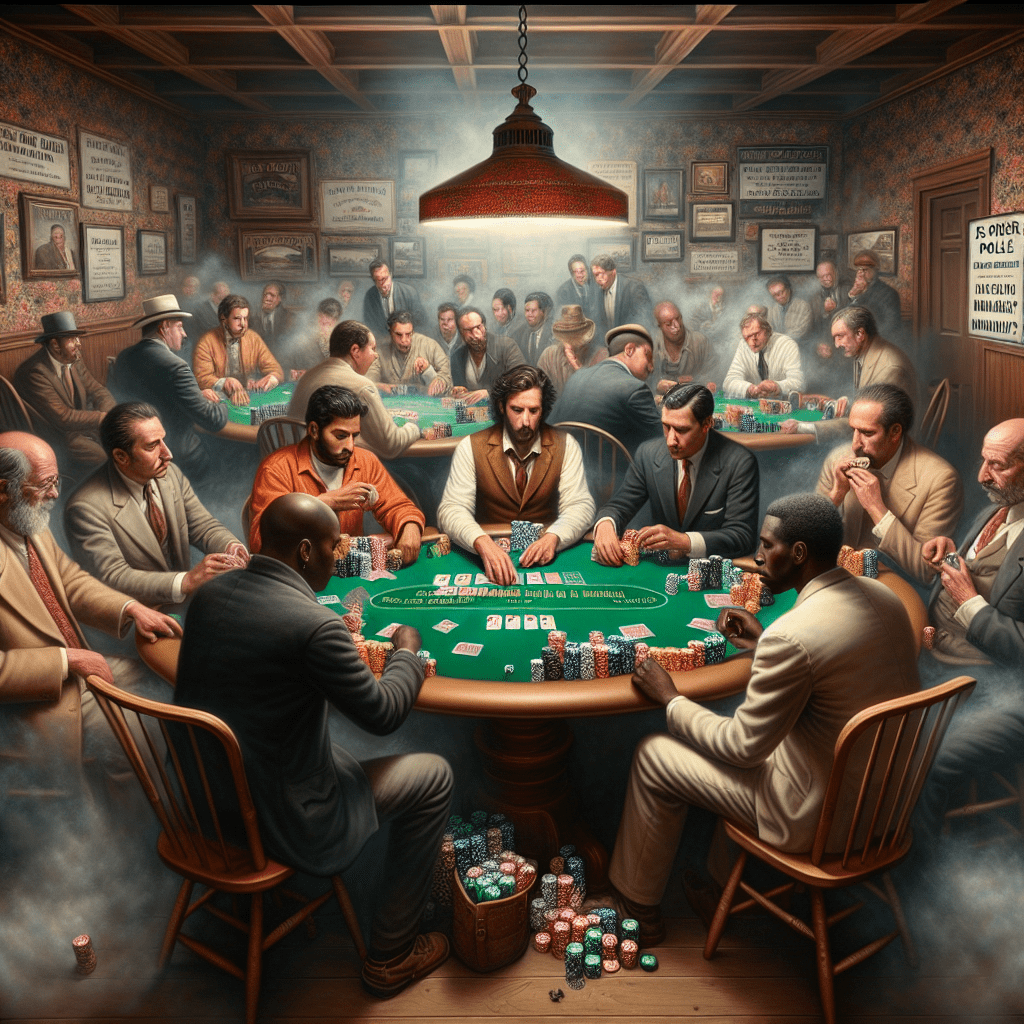
In Maryland, private home games are generally permitted as long as they meet specific criteria. These games must be:
- Played in a private residence
- Not operated for profit
- Limited to a small group of friends or family
These regulations allow players to enjoy poker in a casual setting without running afoul of the law. However, if a home game begins to resemble a commercial operation—such as charging entry fees or taking a cut of the pot—it may attract legal scrutiny.
Commercial Poker Rooms and Casinos
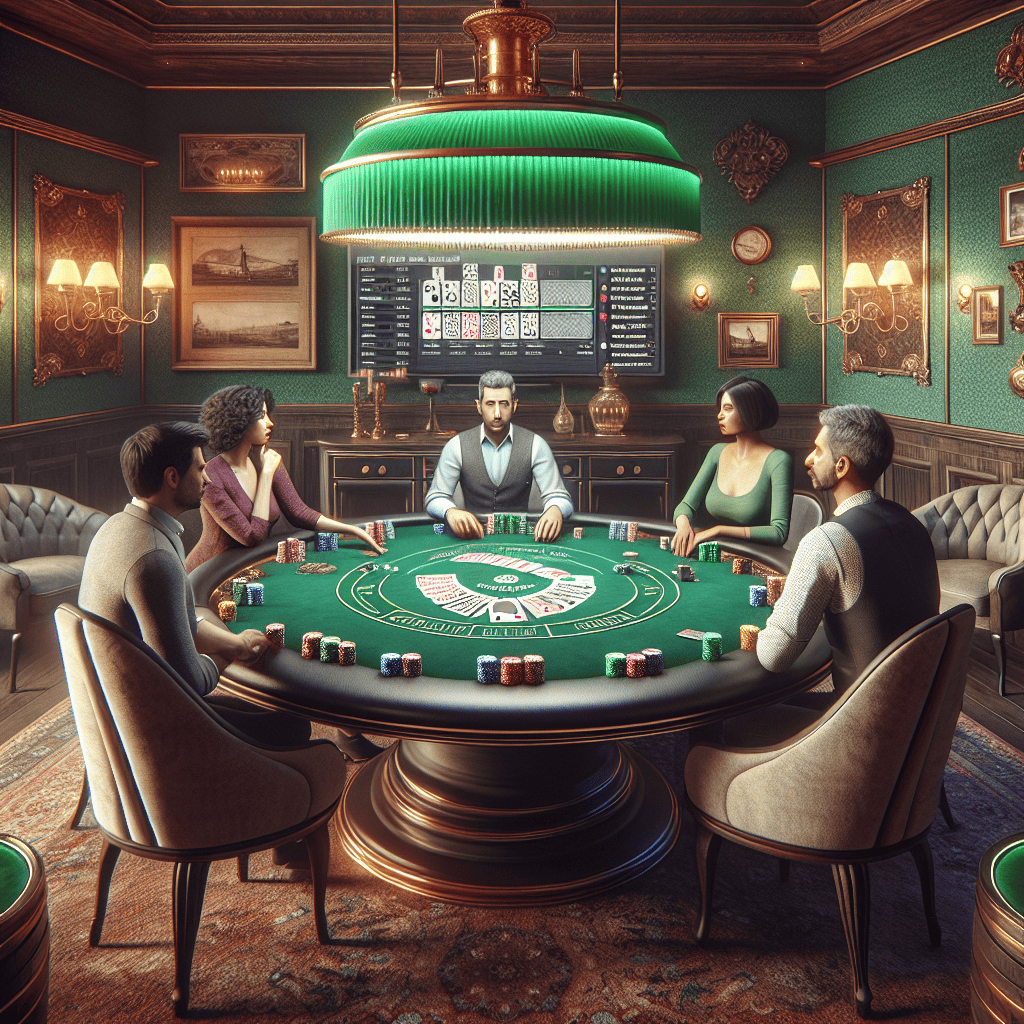
Maryland is home to several casinos that offer poker rooms, where players can engage in various poker games legally. The Maryland State Lottery and Gaming Control Agency oversees these establishments, ensuring they comply with state regulations. Some of the notable casinos with poker rooms include:
- Live! Casino & Hotel
- Horseshoe Casino Baltimore
- Maryland Live! Casino
These venues provide a regulated environment for poker enthusiasts, complete with professional dealers and a variety of game formats, including Texas Hold’em and Omaha.
Online Poker in Maryland
The rise of online gambling has transformed the landscape of poker in many states. However, Maryland has yet to fully embrace online poker. Currently, there are no licensed online poker sites operating within the state. Players interested in online poker must look to other states where it is legal or participate in unregulated sites, which can pose risks.
The Future of Online Poker in Maryland
As the conversation around online gambling continues to evolve, there is potential for Maryland to consider legalizing online poker in the future. Several factors could influence this decision:
- Increased tax revenue from regulated online gaming
- Consumer protection for players
- Competition with neighboring states that have legalized online poker
Advocates for online poker argue that it could provide a safe and regulated environment for players while generating additional revenue for the state.
Case Studies: Poker Legislation in Other States
To better understand the implications of poker legality, it can be helpful to look at how other states have approached the issue. For instance:
- New Jersey: New Jersey has successfully legalized online poker, leading to a significant increase in revenue and player participation.
- Pennsylvania: Pennsylvania has also embraced online poker, with several licensed operators providing a variety of games.
- California: Despite ongoing discussions, California has yet to legalize online poker, highlighting the complexities of state legislation.
These case studies illustrate the potential benefits and challenges associated with legalizing poker in various forms, providing valuable insights for Maryland’s future decisions.
Conclusion: The Current State of Poker Legality in Maryland
In summary, poker is legal in Maryland under specific conditions. Players can enjoy home games with friends and family, as long as they adhere to the state’s regulations. Additionally, commercial poker rooms in licensed casinos provide a regulated environment for players seeking a more formal gaming experience.
While online poker remains unregulated in Maryland, the potential for future legislation exists, driven by the success seen in neighboring states. As the landscape of gambling continues to evolve, Maryland may find itself at a crossroads, weighing the benefits of expanding poker options against the complexities of regulation.
Ultimately, understanding the legal status of poker in Maryland is crucial for players and operators alike. By staying informed about the laws and regulations, individuals can enjoy the game responsibly and within the bounds of the law.