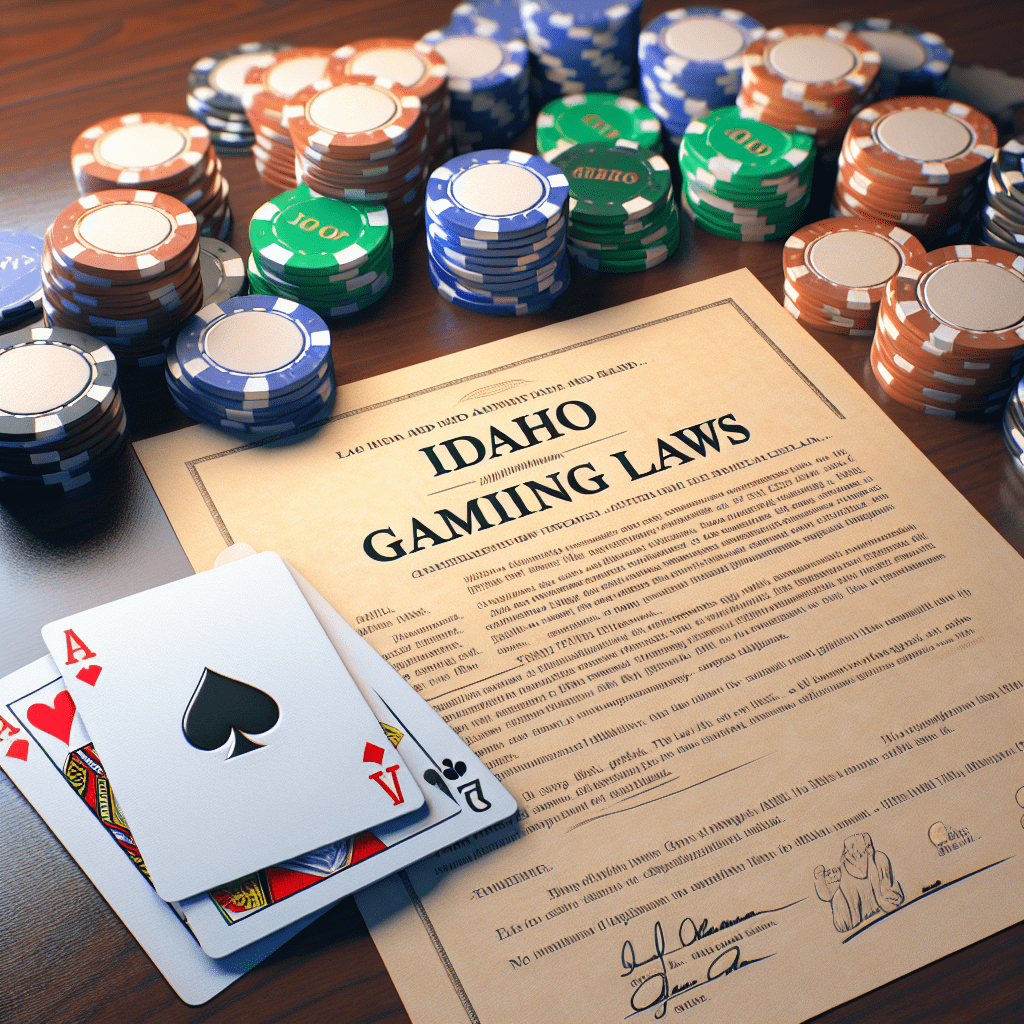
Is Poker Legal In Idaho? A Comprehensive Overview

When it comes to gambling, the laws can be as intricate as the games themselves. Poker, a game of skill and chance, has gained immense popularity across the United States. However, the legality of poker varies significantly from state to state. In this article, we will delve into the question: Is poker legal in Idaho? We will explore the state’s gambling laws, the nuances of poker legality, and the implications for players and operators alike.
Understanding Idaho’s Gambling Laws
Idaho’s gambling laws are primarily governed by the Idaho Code, which outlines what forms of gambling are permissible within the state. The laws are designed to regulate gambling activities while ensuring that they are conducted fairly and responsibly. Here are some key points regarding Idaho’s gambling framework:
- Types of Legal Gambling: Idaho permits certain forms of gambling, including state-run lotteries, charitable gaming, and limited forms of casino gaming.
- Prohibition of Online Gambling: Online gambling is largely prohibited in Idaho, with strict regulations against internet-based poker and casino games.
- Age Restrictions: Players must be at least 18 years old to participate in most forms of gambling, including poker.
Is Poker Legal In Idaho? The Answer Explained
So, is poker legal in Idaho? The answer is nuanced. While poker is not explicitly banned, it exists within a framework of regulations that can complicate its legality. Here’s a breakdown:
- Home Games: Private poker games among friends are generally allowed, provided that no one is profiting from hosting the game. This means that players can enjoy poker in a casual setting without legal repercussions.
- Charitable Poker Tournaments: Idaho law permits charitable organizations to host poker tournaments, provided they adhere to specific regulations. These events must be conducted for a charitable purpose, and the organization must obtain a license.
- Commercial Poker Rooms: Unlike many other states, Idaho does not have commercial poker rooms or casinos that offer poker as a primary game. This limits the availability of poker in a traditional casino setting.
The Impact of Idaho’s Gambling Laws on Poker Players
The restrictions on poker in Idaho can have significant implications for players. Here are some of the challenges and opportunities that arise from the current legal landscape:
- Limited Access: The absence of commercial poker rooms means that players have fewer options for playing poker in a regulated environment. This can lead to a lack of competition and fewer opportunities for serious players to hone their skills.
- Charitable Events as a Solution: Charitable poker tournaments provide a unique opportunity for players to engage in the game while supporting a good cause. These events can attract a diverse group of players and create a vibrant poker community.
- Home Games as a Popular Alternative: Many players turn to home games as a way to enjoy poker without the constraints of formal regulations. This informal setting allows for flexibility in game types and stakes.
Case Studies: Poker in Idaho
To better understand the landscape of poker in Idaho, let’s look at a couple of case studies that illustrate how the laws play out in real life.
Case Study 1: The Rise of Charitable Poker Tournaments
In recent years, several charitable organizations in Idaho have successfully hosted poker tournaments. For instance, the Idaho Foodbank organized a charity poker night that attracted over 100 players. The event not only raised significant funds for the organization but also fostered a sense of community among local poker enthusiasts. This case highlights how charitable events can serve as a viable platform for poker in Idaho.
Case Study 2: The Home Game Phenomenon
Another interesting case is the rise of home poker games in Idaho. Many players have taken to hosting regular games in their homes, creating a social atmosphere that combines camaraderie with competition. These games often feature a variety of poker formats, from Texas Hold’em to Omaha, and have become a staple in many communities. However, players must be cautious to ensure that no one is profiting from hosting these games, as that could lead to legal issues.
Statistics on Gambling in Idaho
Understanding the broader context of gambling in Idaho can provide insights into the state’s poker scene. Here are some relevant statistics:
- Gambling Revenue: In 2020, Idaho’s gambling revenue was approximately $200 million, with a significant portion coming from the state lottery and charitable gaming.
- Participation Rates: A survey conducted by the Idaho Lottery found that around 60% of adults in Idaho participate in some form of gambling, indicating a strong interest in gaming activities.
- Charitable Gaming Growth: The number of licensed charitable gaming organizations in Idaho has increased by 15% over the past five years, reflecting a growing trend in community-based gaming events.
Future of Poker in Idaho
The future of poker in Idaho remains uncertain, particularly as the landscape of gambling continues to evolve across the United States. Here are some potential developments to watch for:
- Legislative Changes: As public interest in poker grows, there may be calls for legislative changes that could expand the legality of poker rooms or online poker.
- Increased Charitable Events: The trend of hosting charitable poker tournaments is likely to continue, providing more opportunities for players to engage in the game.
- Community Engagement: As more players seek out home games, there may be a push for community engagement initiatives that promote responsible gaming practices.
Conclusion: Navigating the Poker Landscape in Idaho
In conclusion, the question of “Is poker legal in Idaho?” is complex and multifaceted. While poker is not outright banned, its practice is limited by state regulations that favor charitable events and home games over commercial operations. Players in Idaho can still enjoy the game, but they must navigate the legal landscape carefully to ensure compliance with state laws. As interest in poker continues to grow, the potential for changes in legislation and community engagement may pave the way for a more vibrant poker scene in the future. Whether through charitable tournaments or friendly home games, the spirit of poker remains alive in Idaho, waiting for new opportunities to flourish.