Is Poker Legal In Connecticut? A Comprehensive Overview
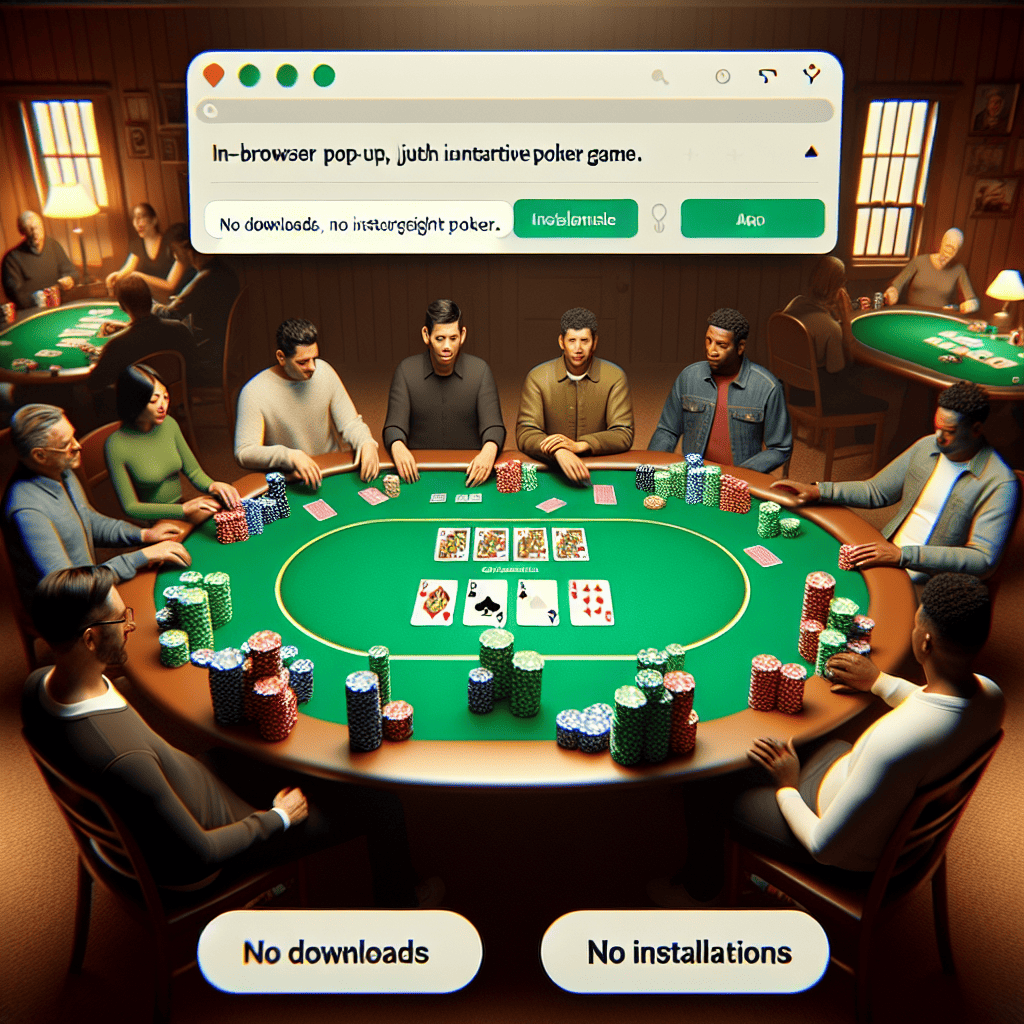
Poker, a game of skill and chance, has captivated players around the world for centuries. In the United States, the legality of poker varies significantly from state to state, leading many enthusiasts to wonder: Is poker legal in Connecticut? This article delves into the legal landscape of poker in Connecticut, exploring its history, current regulations, and the implications for players and operators alike.
The Historical Context of Poker in Connecticut
To understand the current legal status of poker in Connecticut, it’s essential to look back at its history. Poker has been played in various forms since the early 19th century, but its legal status has evolved dramatically over the years.
- Early Regulations: In the early 1900s, gambling was largely prohibited in Connecticut, with strict laws against games of chance.
- Legalization of Gambling: The 1970s marked a turning point when the state began to explore regulated gambling as a means to generate revenue.
- Tribal Gaming Compacts: In 1992, the federal government allowed Native American tribes to operate casinos, leading to the establishment of Foxwoods Resort Casino and Mohegan Sun.
These developments laid the groundwork for the current poker landscape in Connecticut, where both tribal and commercial gaming operations exist.
Current Legal Status of Poker in Connecticut
So, is poker legal in Connecticut? The answer is nuanced. Poker is legal in several forms, but there are specific regulations that govern its operation.
Types of Legal Poker in Connecticut
In Connecticut, poker can be played legally in the following contexts:
- Tribal Casinos: Both Foxwoods and Mohegan Sun offer a variety of poker games, including Texas Hold’em and Omaha. These establishments operate under tribal gaming compacts with the state.
- Charitable Gaming: Non-profit organizations can host poker tournaments as a means of fundraising, provided they adhere to state regulations.
- Online Poker: As of 2021, Connecticut legalized online poker, allowing licensed operators to offer poker games to residents. This move was part of a broader effort to expand online gambling options in the state.
Regulatory Framework
The Connecticut Department of Consumer Protection (DCP) oversees all gambling activities in the state, including poker. The DCP ensures that all gaming operations comply with state laws and regulations. Key points include:
- Licensing: All poker operators must obtain a license from the DCP to ensure compliance with state laws.
- Age Restrictions: Players must be at least 21 years old to participate in poker games, whether in-person or online.
- Taxation: The state imposes taxes on gambling revenues, which contribute to public services and infrastructure.
Case Studies: Poker in Action
To illustrate the legal landscape of poker in Connecticut, let’s examine a couple of case studies that highlight the practical implications of these laws.
Foxwoods Resort Casino
Foxwoods, one of the largest casinos in the world, offers a robust poker room with numerous tables and tournaments. The casino has successfully integrated poker into its gaming offerings, attracting players from across the region. In 2022, Foxwoods reported:
- Over 100 poker tables: Catering to various skill levels and game types.
- Monthly tournaments: Drawing significant participation and generating substantial revenue.
This success demonstrates the viability of poker as a legal and profitable gaming option in Connecticut.
Online Poker Launch
In 2021, Connecticut joined a growing number of states by legalizing online poker. This move allowed operators like DraftKings and FanDuel to offer poker games to residents. The initial response was overwhelmingly positive:
- Rapid Growth: Within the first six months, online poker generated millions in revenue.
- Increased Participation: Players appreciated the convenience of playing from home, leading to a surge in new accounts.
This case study highlights the potential for online poker to thrive in Connecticut’s regulated environment.
The Future of Poker in Connecticut
As the landscape of gambling continues to evolve, so too does the future of poker in Connecticut. Several factors will influence its trajectory:
- Legislative Changes: Ongoing discussions about expanding gambling options could lead to new regulations or the introduction of additional gaming platforms.
- Technological Advancements: Innovations in online gaming technology may enhance the player experience and attract a broader audience.
- Market Competition: As more states legalize online poker, Connecticut will need to remain competitive to retain its player base.
Conclusion: Is Poker Legal In Connecticut?
In summary, poker is indeed legal in Connecticut, with a well-defined regulatory framework that governs its operation. From tribal casinos to online platforms, players have various options to engage in this popular game. The state’s commitment to regulating poker ensures a safe and fair environment for both players and operators.
As Connecticut continues to adapt to the changing landscape of gambling, the future of poker looks promising. Whether you’re a seasoned player or a curious newcomer, the opportunities for enjoying poker in Connecticut are abundant and legally sound.
Ultimately, understanding the legal status of poker in Connecticut not only enhances your gaming experience but also empowers you to make informed decisions as you navigate this exciting world.