Is Poker A Game Of Skill Or Luck? Unraveling the Debate
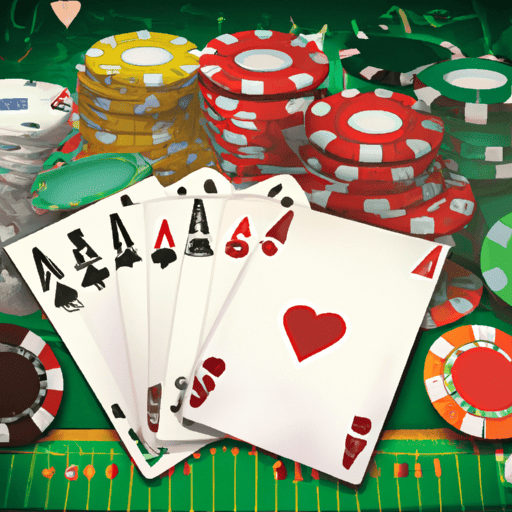
Poker has long been a subject of fascination, drawing players from all walks of life into its intricate web of strategy, psychology, and chance. The question that often arises in discussions about this popular card game is: “Is poker a game of skill or luck?” This article delves into the nuances of this debate, exploring the elements of both skill and luck that contribute to the game, supported by examples, statistics, and expert opinions.
The Nature of Poker: A Blend of Skill and Luck
At its core, poker is a game that combines elements of both skill and luck. Understanding how these two factors interact is crucial for anyone looking to grasp the essence of the game.
Luck: The Role of Chance in Poker
Luck plays a significant role in poker, particularly in the short term. The cards dealt to players can dramatically influence the outcome of a hand. Here are some key points regarding the role of luck:
- Randomness of Card Distribution: Each hand begins with a random distribution of cards, meaning that even the most skilled player can find themselves at a disadvantage if they receive poor cards.
- Short-Term Variance: In the short run, luck can overshadow skill. A less experienced player can win against a seasoned pro simply by drawing better cards.
- Bad Beats: The term “bad beat” refers to a situation where a player with a strong hand loses to an opponent with a weaker hand due to an unlikely turn of events. These moments highlight the unpredictable nature of luck in poker.
Skill: The Strategic Element of Poker
While luck can influence individual hands, skill is what separates the good players from the great ones over the long term. Here are some aspects of skill that come into play:
- Understanding Odds: Skilled players calculate pot odds and implied odds to make informed decisions about whether to call, raise, or fold.
- Reading Opponents: The ability to read opponents’ behavior and betting patterns is crucial. This psychological aspect of poker allows skilled players to make educated guesses about their opponents’ hands.
- Game Theory: Advanced players often employ game theory to optimize their strategies, making them less predictable and more difficult to counter.
Case Studies: Skill vs. Luck in Action
To further illustrate the interplay between skill and luck in poker, let’s examine a few notable case studies.
The World Series of Poker (WSOP)
The WSOP is one of the most prestigious poker tournaments globally, attracting thousands of players each year. In 2003, Chris Moneymaker, an amateur player, won the tournament after qualifying through a $39 online satellite. His victory is often cited as a prime example of luck playing a significant role, as he faced off against seasoned professionals. However, Moneymaker’s success also showcased his skill in navigating the tournament’s complexities, demonstrating that while luck can lead to a win, skill is necessary to sustain success.
Online Poker Statistics
Research conducted by the University of Alberta analyzed over 1.5 million hands of online poker. The study found that:
- Skilled players consistently outperformed less experienced players over time.
- Luck accounted for approximately 20% of the variance in outcomes, while skill accounted for the remaining 80%.
This data supports the argument that while luck can influence individual hands, skill is the dominant factor in long-term success.
Expert Opinions: What Do Professionals Say?
Many professional poker players have weighed in on the skill versus luck debate. Here are some notable quotes:
- Daniel Negreanu: “Poker is a game of skill, but luck plays a role in the short term. Over time, the best players will always rise to the top.”
- Phil Ivey: “You can’t control the cards you’re dealt, but you can control how you play them. That’s where skill comes in.”
These insights from seasoned professionals reinforce the idea that while luck is an undeniable factor, skill is what ultimately leads to success in poker.
The Psychological Aspect: Mind Over Matter
Another critical element in the skill versus luck debate is the psychological aspect of poker. Players must manage their emotions, maintain focus, and make strategic decisions under pressure. Here are some psychological factors that contribute to skill:
- Emotional Control: Skilled players can maintain composure, avoiding tilt (a state of emotional frustration) that can lead to poor decision-making.
- Decision-Making Under Uncertainty: The ability to make quick, informed decisions based on incomplete information is a hallmark of skilled players.
- Adaptability: Successful players can adjust their strategies based on their opponents’ tendencies and the flow of the game.
Conclusion: The Final Deal
So, is poker a game of skill or luck? The answer is nuanced. While luck undeniably plays a role in the short term, skill is the defining factor for long-term success. The interplay between these two elements creates a dynamic and engaging game that continues to captivate players worldwide.
Ultimately, understanding the balance between skill and luck can enhance your poker experience, whether you’re a casual player or aspiring professional. Embrace the unpredictability of luck, but hone your skills to ensure that you can navigate the complexities of the game effectively. In the end, it’s this blend of chance and strategy that makes poker a timeless classic.