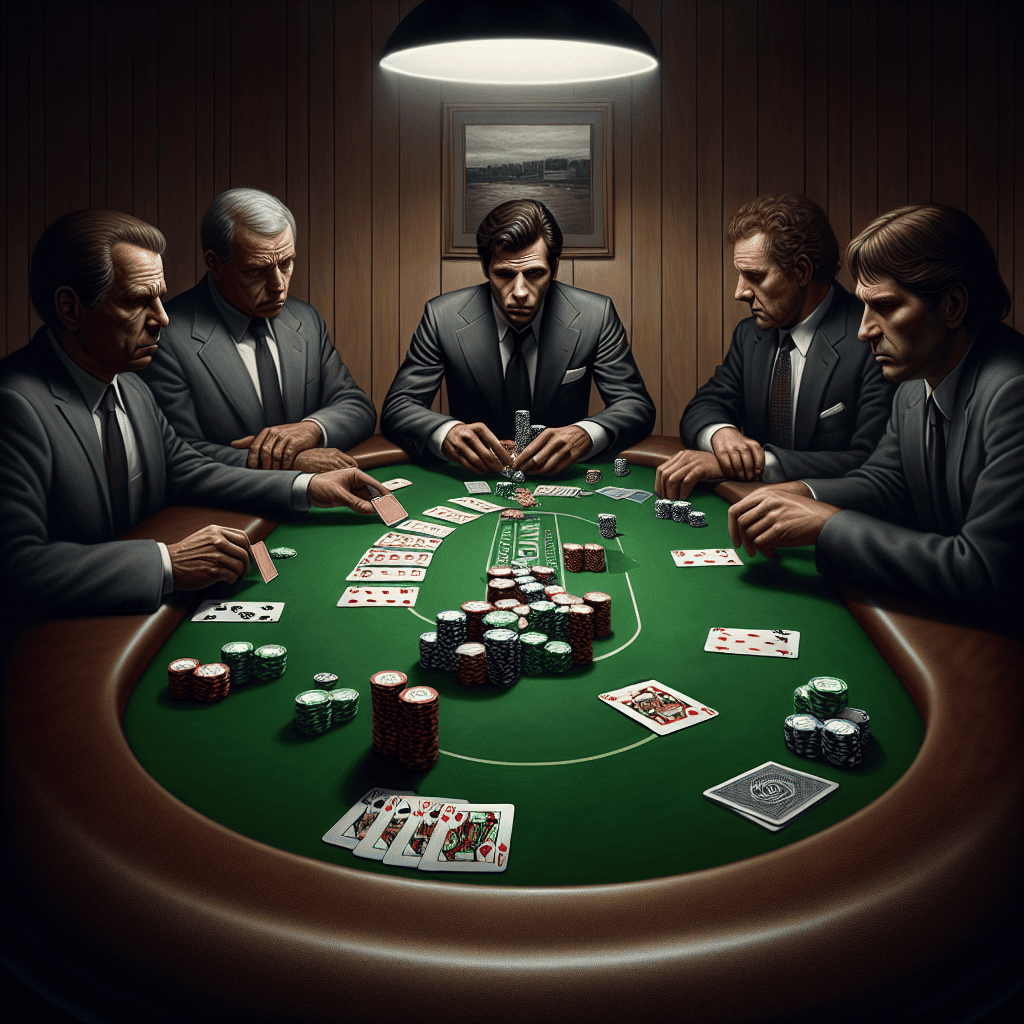
Is Poker A Game Of Skill? Unraveling the Debate

Poker has long been a subject of fascination, not just as a popular card game but also as a battleground for intellect, strategy, and psychology. The question that often arises in discussions about poker is, “Is poker a game of skill?” This inquiry delves into the very essence of what makes poker unique compared to other forms of gambling. In this article, we will explore the arguments for and against the notion that poker is primarily a game of skill, supported by research, statistics, and real-world examples.
The Skill vs. Luck Dichotomy
To understand whether poker is a game of skill, we must first dissect the components that contribute to its gameplay. Poker combines elements of both skill and luck, creating a complex interplay that can lead to varying opinions on its classification.
- Luck: The role of luck in poker is undeniable. The cards dealt to players can significantly influence the outcome of a hand. A player may have the best strategy but still lose if they receive poor cards.
- Skill: Conversely, skill comes into play through decision-making, reading opponents, and managing resources. A skilled player can consistently outperform less experienced players over time, even if luck occasionally favors the latter.
Statistical Evidence Supporting Skill
Numerous studies have attempted to quantify the impact of skill in poker. One notable research project conducted by the University of Alberta analyzed the performance of professional poker players over a significant number of hands. The findings revealed that:
- Professional players consistently outperformed amateur players, even when accounting for the element of luck.
- The variance in outcomes decreased as the number of hands played increased, suggesting that skill becomes more apparent over time.
This research supports the argument that poker is indeed a game of skill, as experienced players can leverage their knowledge and strategies to gain an advantage over less skilled opponents.
Case Studies: Professional Players in Action
To further illustrate the skill involved in poker, let’s examine a few case studies of renowned professional players who have made their mark in the poker world.
- Phil Ivey: Often referred to as one of the best poker players in history, Ivey’s success is attributed to his deep understanding of game theory, psychology, and probability. His ability to read opponents and adapt his strategy has led him to win numerous World Series of Poker (WSOP) titles.
- Daniel Negreanu: Known for his exceptional ability to read opponents, Negreanu has amassed millions in tournament winnings. His approach emphasizes the importance of understanding player tendencies, showcasing how skill can lead to success in poker.
These players exemplify how skill can dominate the game, often leading to consistent success despite the inherent luck involved in any single hand.
The Role of Psychology in Poker
Another critical aspect that supports the idea of poker as a game of skill is the psychological component. Players must not only focus on their cards but also on their opponents’ behaviors and tendencies. This psychological warfare can be broken down into several key elements:
- Bluffing: A skilled player knows when to bluff and when to fold, using psychological tactics to manipulate opponents’ perceptions.
- Reading Tells: Experienced players can identify subtle cues in their opponents’ behavior, allowing them to make informed decisions based on the likelihood of their opponents’ hands.
- Emotional Control: Maintaining composure under pressure is crucial. Skilled players can manage their emotions, preventing them from making impulsive decisions that could lead to losses.
These psychological strategies highlight the depth of skill required to excel in poker, further reinforcing the argument that it is more than just a game of chance.
Counterarguments: The Luck Factor
Despite the evidence supporting the skill aspect of poker, it is essential to acknowledge the arguments that emphasize luck. Critics often point out that:
- In the short term, luck can heavily influence outcomes, leading to scenarios where less skilled players can win against seasoned professionals.
- The randomness of card distribution means that even the best strategies can fail if the cards do not cooperate.
These points are valid and highlight the dual nature of poker as both a game of skill and a game of chance. However, proponents of the skill argument maintain that over a large sample size, skill will prevail.
Conclusion: The Verdict on Poker’s Nature
So, is poker a game of skill? The evidence suggests that while luck plays a significant role in individual hands, skill is the determining factor in long-term success. The ability to read opponents, make strategic decisions, and manage psychological elements sets skilled players apart from amateurs. As demonstrated through statistical studies and the success of professional players, poker is not merely a game of chance; it is a complex interplay of skill, strategy, and psychology.
In summary, while luck may influence the outcome of a single hand, it is the skill that ultimately defines a player’s success in the world of poker. As players continue to hone their skills and strategies, the debate will likely persist, but one thing remains clear: poker is a game that rewards those who invest time and effort into mastering its intricacies.