Is Playing Poker A Sin? Exploring the Ethical and Moral Dimensions

Poker, a game that combines skill, strategy, and chance, has captivated players around the world for centuries. Yet, despite its popularity, a question lingers in the minds of many: Is playing poker a sin? This inquiry delves into the realms of morality, religion, and personal ethics. In this article, we will explore various perspectives on poker, examining its implications on society, individual behavior, and spiritual beliefs.
The Historical Context of Gambling
To understand whether playing poker is a sin, we must first consider the historical context of gambling. Gambling has existed in various forms since ancient times, with evidence of dice games found in archaeological sites dating back to 3000 BC. Throughout history, different cultures have embraced or condemned gambling based on their societal norms and religious beliefs.
- Ancient Civilizations: The Romans and Greeks enjoyed games of chance, often associating them with fate and fortune.
- Religious Views: Many religions, including Christianity, Islam, and Buddhism, have varying stances on gambling, often viewing it as a vice.
- Modern Perspectives: Today, gambling is widely accepted in many societies, with regulated casinos and online platforms.
Religious Perspectives on Poker
When considering the question, Is playing poker a sin?, religious beliefs play a significant role. Different faiths offer diverse interpretations regarding gambling and games of chance.
Christianity
In Christianity, opinions on gambling vary widely. Some denominations view it as morally questionable, citing scriptures that warn against greed and the love of money. For instance, 1 Timothy 6:10 states, “For the love of money is the root of all evil.” However, others argue that poker can be played responsibly and socially, without leading to sinful behavior.
Islam
Islam strictly prohibits gambling, considering it haram (forbidden). The Quran explicitly condemns games of chance, viewing them as a means of exploitation and a distraction from spiritual duties. As such, playing poker would be considered a sin in Islamic teachings.
Buddhism
Buddhism takes a more nuanced approach. While not explicitly condemning gambling, it emphasizes the importance of mindfulness and the potential for addiction. Engaging in poker could lead to attachment and suffering, which contradicts Buddhist principles.
The Psychological and Social Implications of Poker
Beyond religious beliefs, the psychological and social aspects of poker also warrant consideration. The game can foster community and camaraderie, but it can also lead to negative consequences.
- Social Interaction: Poker can be a social activity, bringing friends and family together for a night of fun.
- Risk of Addiction: For some, poker can become addictive, leading to financial ruin and strained relationships.
- Skill vs. Luck: Unlike many forms of gambling, poker involves significant skill, which can make it more acceptable to some players.
Case Studies: The Dual Nature of Poker
To further illustrate the complexities surrounding the question of whether playing poker is a sin, we can look at various case studies that highlight both the positive and negative aspects of the game.
Case Study 1: The Social Gambler
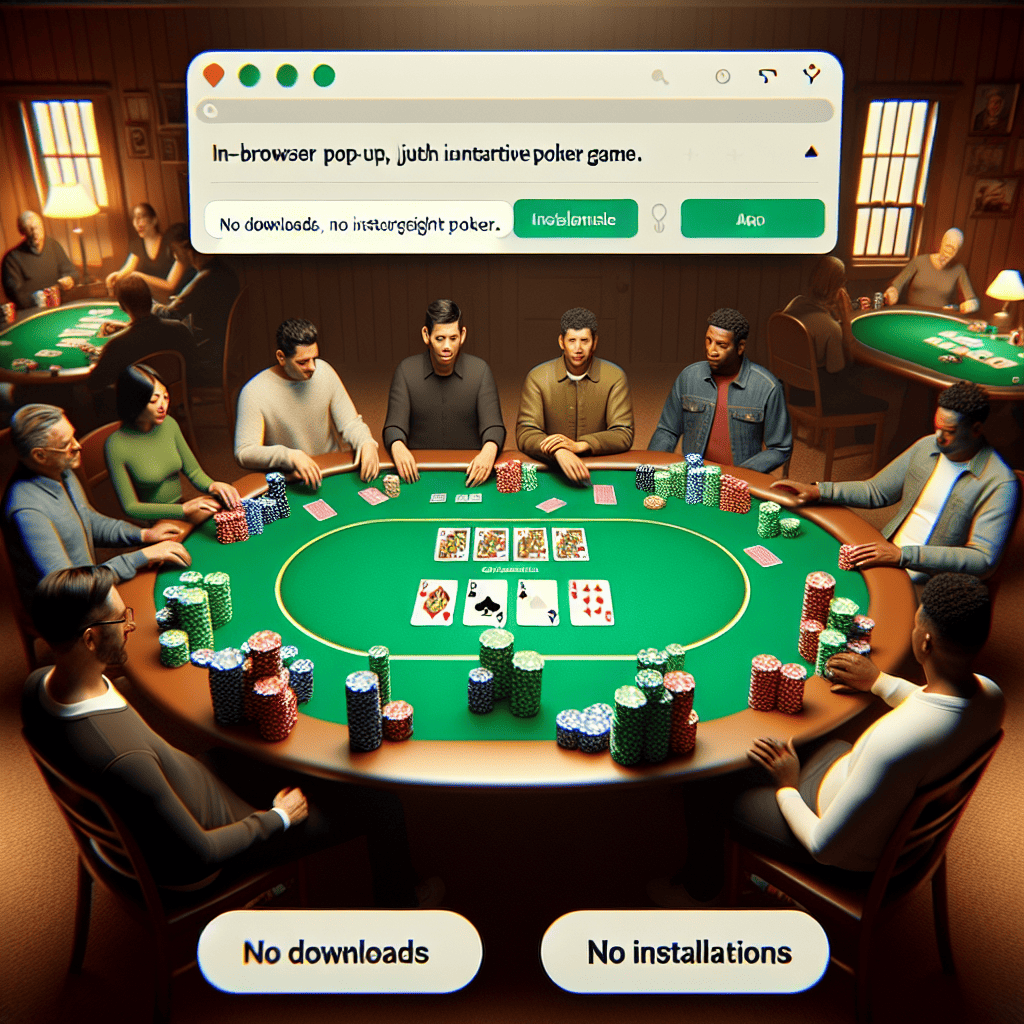
Consider a group of friends who meet weekly for a poker night. For them, the game is a way to bond, share stories, and enjoy each other’s company. They set limits on their stakes and play for fun rather than profit. In this context, poker serves as a social lubricant rather than a source of sin.
Case Study 2: The Compulsive Gambler
In contrast, take the story of an individual who becomes obsessed with poker. Initially drawn in by the thrill of the game, they soon find themselves neglecting responsibilities, accumulating debt, and damaging relationships. This scenario illustrates how poker can lead to destructive behavior, raising questions about morality and personal responsibility.
Statistics on Gambling and Poker
Understanding the broader context of gambling can also shed light on the question at hand. According to the National Council on Problem Gambling:
- Approximately 2-3% of the U.S. population experiences gambling problems.
- Online poker has seen a significant rise in popularity, especially during the COVID-19 pandemic.
- Responsible gambling initiatives have been implemented to help mitigate the risks associated with gambling.
Conclusion: Finding Balance in the Debate
So, is playing poker a sin? The answer is not straightforward. It largely depends on individual beliefs, cultural contexts, and personal experiences. For some, poker is a harmless pastime that fosters social connections. For others, it can lead to addiction and moral dilemmas.
Ultimately, the key lies in moderation and self-awareness. Engaging in poker responsibly, with an understanding of its potential risks and rewards, can help individuals navigate the complex moral landscape surrounding the game. As with many activities, the intent and impact of playing poker are what truly determine its ethical standing.
In summary, while some may view poker as sinful, others see it as a legitimate form of entertainment. The challenge is to find a balance that respects personal values while enjoying the game responsibly.