Is It Legal to Play Online Poker in Iran? A Comprehensive Overview
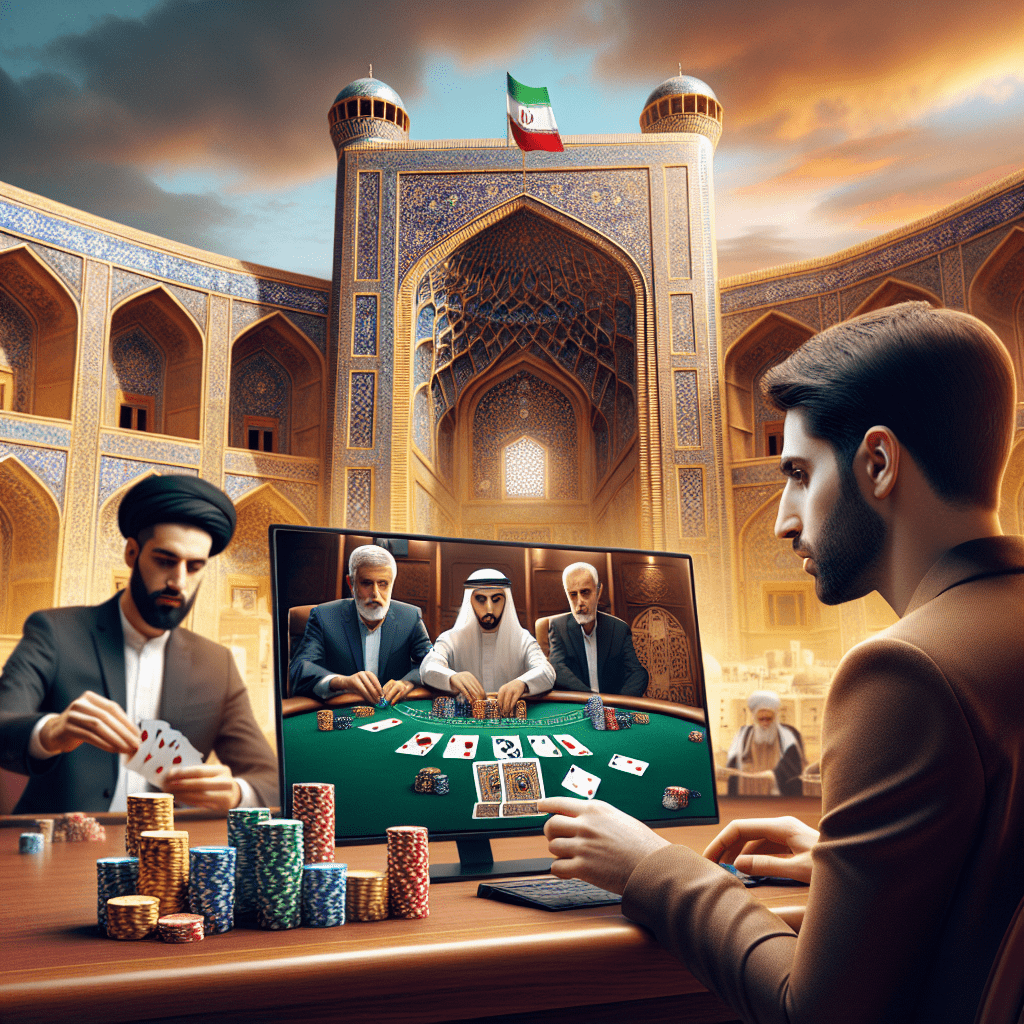
The world of online poker has exploded in popularity over the past two decades, with millions of players engaging in this thrilling game from the comfort of their homes. However, the legality of online poker varies significantly from one country to another. In this article, we will explore the complex legal landscape surrounding online poker in Iran, examining the cultural, religious, and legal factors that influence this issue.
The Legal Framework of Gambling in Iran
To understand whether it is legal to play online poker in Iran, we must first delve into the country’s legal framework regarding gambling. Iran is an Islamic Republic, and its laws are heavily influenced by Islamic principles, particularly Sharia law. Under these laws, gambling is generally prohibited. Here are some key points regarding gambling laws in Iran:
- Prohibition of Gambling: The Iranian Penal Code explicitly prohibits all forms of gambling, including traditional games and online platforms.
- Religious Context: Gambling is considered haram (forbidden) in Islam, which significantly shapes the legal stance on the issue.
- Enforcement: The Iranian government actively enforces these laws, with penalties for those caught gambling, which can include fines and imprisonment.
Given this context, it is clear that the legal environment in Iran is not conducive to gambling activities, including online poker. However, the situation is more nuanced than a simple prohibition.
The Rise of Online Poker and Its Challenges in Iran
Despite the strict laws against gambling, the allure of online poker has not gone unnoticed in Iran. Many Iranians are drawn to the game for various reasons, including the potential for financial gain and the social aspects of playing with others. However, several challenges complicate the landscape:
- Access to Online Platforms: Many international online poker sites are blocked in Iran, making it difficult for players to access these platforms legally.
- Use of VPNs: Some players resort to using Virtual Private Networks (VPNs) to bypass restrictions, but this practice carries its own risks, including potential legal repercussions.
- Social Stigma: Engaging in gambling activities can lead to social ostracism, as it is frowned upon in Iranian society.
These challenges create a complex environment for those interested in playing online poker in Iran. While the game remains popular, the legal and social barriers can deter many potential players.
Case Studies: Iranians and Online Poker
To better understand the situation, let’s look at a few case studies of Iranian players who have navigated the online poker landscape:
- Ali’s Experience: A 28-year-old software engineer, Ali began playing online poker using a VPN. He found success in small tournaments but faced constant anxiety about being caught. After a few months, he decided to stop playing due to the stress and fear of legal consequences.
- Fatima’s Journey: Fatima, a 32-year-old mother, discovered online poker through social media. She joined a private group where players shared tips and strategies. Although she enjoyed the game, she ultimately chose to quit after hearing about a friend who was fined for gambling.
- Reza’s Risk: Reza, a 25-year-old student, embraced the risk and continued to play online poker despite the legal implications. He reported that while he enjoyed the thrill, he was always on edge, fearing that authorities might crack down on players.
These case studies illustrate the diverse experiences of Iranian players and highlight the tension between the desire to engage in online poker and the legal risks involved.
International Perspectives on Online Poker Legality
To further contextualize the situation in Iran, it is helpful to look at how other countries approach online poker legality. Here are a few examples:
- United States: The legality of online poker varies by state, with some states fully regulating it while others prohibit it entirely.
- United Kingdom: Online poker is legal and regulated, with a robust framework in place to protect players.
- Australia: Online poker is legal, but there are restrictions on international operators.
These international perspectives highlight the varying approaches to online poker legality, underscoring how cultural and legal frameworks shape the gaming landscape.
Is It Legal to Play Online Poker in Iran? The Final Verdict
So, is it legal to play online poker in Iran? The answer is a resounding no. The Iranian government prohibits all forms of gambling, including online poker, and actively enforces these laws. Players who choose to engage in online poker face significant legal risks, including fines and imprisonment. Furthermore, the social stigma associated with gambling can lead to personal repercussions as well.
Conclusion: Navigating the Complexities of Online Poker in Iran
The question of whether it is legal to play online poker in Iran reveals a complex interplay of legal, cultural, and social factors. While the game has gained popularity among Iranians, the strict prohibition against gambling creates a challenging environment for players. The experiences of individuals like Ali, Fatima, and Reza illustrate the risks and rewards associated with online poker in a country where gambling is illegal.
As the global landscape of online poker continues to evolve, it remains to be seen how countries like Iran will adapt to these changes. For now, potential players must weigh their desire to engage in online poker against the legal and social consequences of doing so. Ultimately, understanding the legal framework and cultural context is crucial for anyone considering entering the world of online poker in Iran.