Is It Legal to Play Online Poker in Germany? A Comprehensive Overview

Online poker has surged in popularity over the past decade, attracting millions of players worldwide. However, the legality of online poker varies significantly from one country to another. In Germany, the question of whether it is legal to play online poker is complex, influenced by a mix of federal and state regulations. This article aims to clarify the legal landscape surrounding online poker in Germany, providing insights into the current laws, recent developments, and what players need to know.
The Legal Framework for Online Gambling in Germany
To understand the legality of online poker in Germany, it is essential to grasp the country’s gambling laws. The legal framework is primarily governed by the Interstate Treaty on Gambling (ISTG), which was first enacted in 2008 and revised in 2021. This treaty aims to regulate gambling activities across the 16 federal states (Bundesländer) of Germany.
- Federal vs. State Regulation: Gambling laws in Germany are a mix of federal and state regulations. While the ISTG provides a general framework, each state has the authority to implement its own rules.
- Licensing: The 2021 revision introduced a licensing system for online poker operators, allowing them to offer their services legally within Germany.
- Restrictions: The treaty imposes restrictions on the number of licenses issued, which has led to a limited number of legal online poker platforms.
Is It Legal to Play Online Poker in Germany? The Current Situation
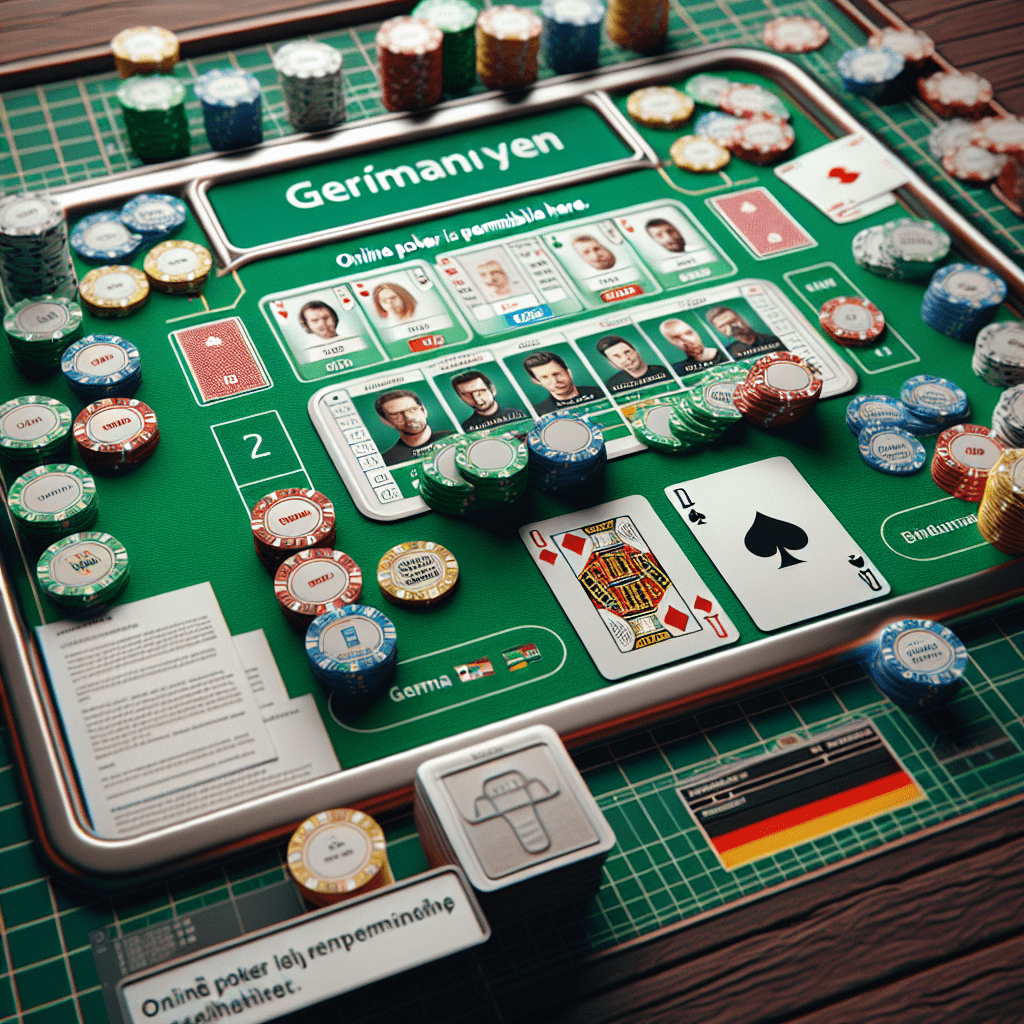
So, is it legal to play online poker in Germany? The answer is nuanced. As of now, online poker is legal, but only under specific conditions. Here are the key points to consider:
- Licensed Operators: Players can legally participate in online poker games hosted by operators that have obtained a license from the relevant German authorities.
- Unlicensed Platforms: Playing on unlicensed platforms is technically illegal, although enforcement against players is rare. However, players risk losing their funds and facing potential legal consequences.
- State Variations: Different states may have varying interpretations of the law, leading to inconsistencies in enforcement and regulation.
Recent Developments in Online Poker Legislation
The landscape of online poker in Germany has evolved significantly in recent years. The 2021 revision of the ISTG was a landmark moment, as it aimed to create a more regulated and safer environment for players. Here are some notable developments:
- Increased Licensing: The new regulations have allowed more operators to apply for licenses, increasing the number of legal online poker sites available to German players.
- Player Protections: The revised treaty includes measures to protect players, such as self-exclusion options and limits on deposits and losses.
- Taxation: Licensed operators are subject to taxation, which contributes to state revenues and helps fund responsible gambling initiatives.
Challenges and Controversies
Despite the progress made, several challenges and controversies remain in the realm of online poker in Germany:
- Limited Options: The number of licensed operators is still relatively small, which can limit player choice and competition.
- Black Market Concerns: The existence of unlicensed platforms poses risks for players, including potential fraud and lack of recourse in case of disputes.
- Regulatory Confusion: The varying interpretations of the law by different states can create confusion for players and operators alike.
Case Studies: The Impact of Regulation on Players and Operators
To illustrate the effects of the legal framework on online poker in Germany, let’s examine a couple of case studies:
Case Study 1: A Licensed Operator’s Success
One of the first operators to obtain a license under the new regulations was PokerStars. Since its licensing, PokerStars has seen a significant increase in its player base in Germany. The operator has invested in marketing campaigns tailored to German players, emphasizing the safety and legality of its platform. This has resulted in:
- A 30% increase in active players within the first year of licensing.
- Positive feedback from players regarding the security measures and responsible gambling options.
Case Study 2: The Struggles of Unlicensed Platforms
In contrast, unlicensed platforms like 888poker have faced challenges. While they continue to attract players, the lack of legal protection has led to several high-profile disputes. Players have reported issues such as:
- Delayed withdrawals and lack of customer support.
- Inability to resolve disputes due to the absence of regulatory oversight.
These cases highlight the importance of playing on licensed platforms to ensure a safe and secure gaming experience.
What Players Need to Know
If you are considering playing online poker in Germany, here are some essential tips to keep in mind:
- Choose Licensed Operators: Always verify that the poker site you are using is licensed by German authorities.
- Understand the Rules: Familiarize yourself with the specific regulations in your state, as they may differ from federal laws.
- Practice Responsible Gambling: Utilize self-exclusion tools and set limits on your gambling activities to ensure a safe experience.
Conclusion: Navigating the Online Poker Landscape in Germany
In conclusion, the question of whether it is legal to play online poker in Germany is answered with a cautious yes. While online poker is legal under specific conditions, players must navigate a complex landscape of regulations and licensing. The recent changes to the Interstate Treaty on Gambling have created a more structured environment, but challenges remain, particularly concerning unlicensed platforms.
As the market continues to evolve, players should stay informed about the legal status of online poker and choose licensed operators to ensure a safe and enjoyable gaming experience. By understanding the legal framework and making informed choices, players can fully enjoy the excitement of online poker in Germany.