Is it Legal to Play Online Poker in Bangladesh? A Comprehensive Overview
Online poker has surged in popularity across the globe, captivating millions with its blend of strategy, skill, and chance. However, the legal landscape surrounding online gambling varies significantly from one country to another. In Bangladesh, a nation with a rich cultural heritage and a complex relationship with gambling, the question arises: Is it legal to play online poker in Bangladesh? This article delves into the legal framework, cultural attitudes, and practical implications of online poker in the country.
The Legal Framework of Gambling in Bangladesh
To understand the legality of online poker in Bangladesh, one must first examine the country’s gambling laws. The primary legislation governing gambling activities is the Public Gambling Act of 1867, a colonial-era law that prohibits all forms of gambling in public places. While this act does not explicitly mention online gambling, its broad language has been interpreted to include all forms of gambling, including online poker.
In addition to the Public Gambling Act, the Bangladesh Telecommunication Regulatory Commission (BTRC) has taken steps to block access to various online gambling sites. This regulatory action indicates a clear stance against online gambling, further complicating the legal landscape for players interested in online poker.
Cultural Attitudes Towards Gambling
Gambling in Bangladesh is often viewed through a cultural lens that intertwines with religious beliefs. The majority of the population is Muslim, and Islamic teachings generally prohibit gambling. This cultural backdrop influences public perception and government policy regarding gambling activities.
- Religious Influence: The predominant Islamic faith in Bangladesh views gambling as haram (forbidden), which shapes societal attitudes towards all forms of gambling, including online poker.
- Social Stigma: Engaging in gambling activities can lead to social ostracism, making it a taboo subject in many communities.
- Limited Awareness: Many citizens may not fully understand the nuances of online poker, leading to misconceptions about its legality and implications.
Online Poker: A Global Perspective
Despite the restrictive laws in Bangladesh, the global online poker scene continues to thrive. Countries like the United States, Canada, and various European nations have embraced online poker, creating regulated environments that protect players and generate tax revenue. For instance:
- United States: States like New Jersey and Pennsylvania have legalized online poker, providing a safe and regulated environment for players.
- United Kingdom: The UK has a well-established regulatory framework for online gambling, ensuring player protection and fair play.
- Australia: While online poker is restricted, many players still engage in it through offshore sites, highlighting the demand for online poker.
These examples illustrate that while online poker can be legally sanctioned in some jurisdictions, the situation in Bangladesh remains precarious.
Is it Legal to Play Online Poker in Bangladesh? The Current Situation
Given the existing laws and cultural attitudes, the answer to the question, “Is it legal to play online poker in Bangladesh?” is complex. While there are no specific laws that explicitly prohibit online poker, the overarching gambling laws effectively render it illegal. Players who choose to engage in online poker do so at their own risk, as they may face legal repercussions.
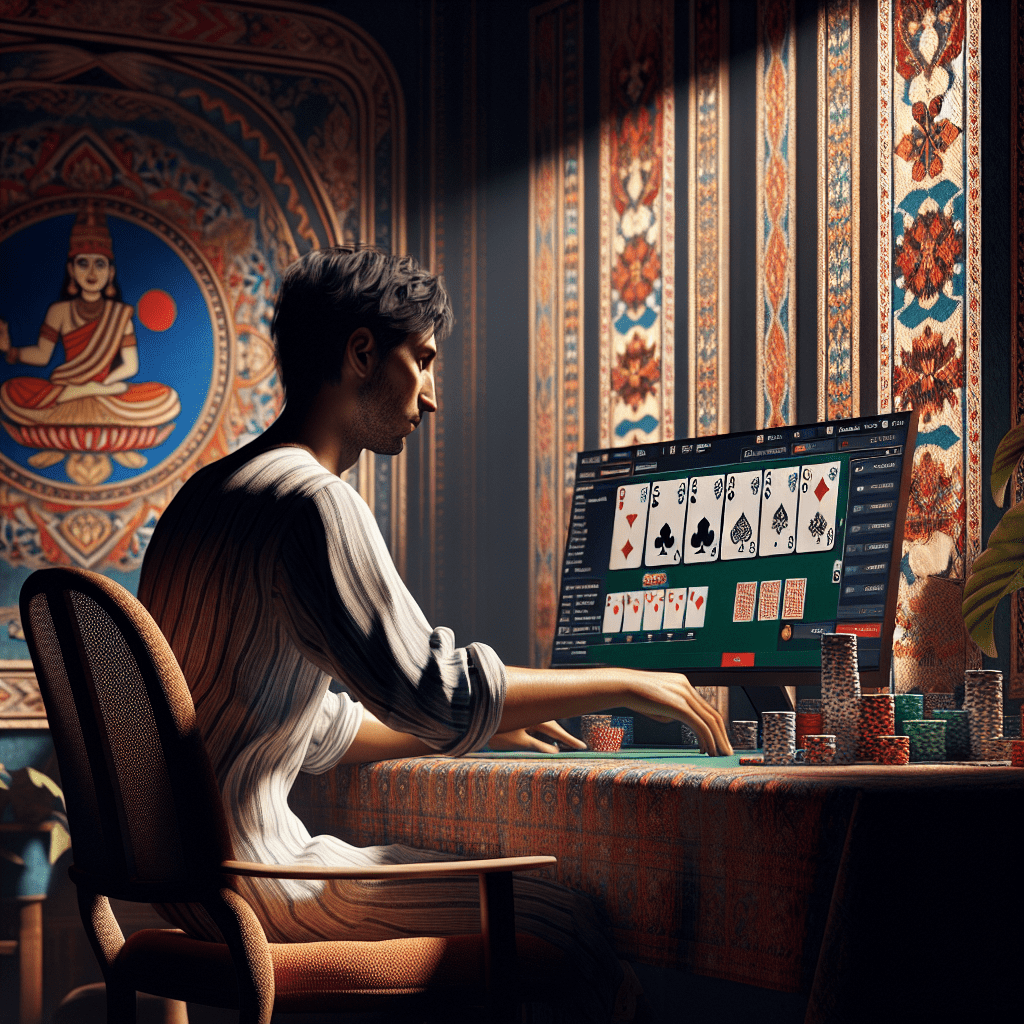
Moreover, the BTRC’s efforts to block gambling websites further complicate access to online poker platforms. Many players resort to using Virtual Private Networks (VPNs) to bypass these restrictions, but this practice carries its own risks, including potential legal consequences and security concerns.
Risks and Consequences of Playing Online Poker in Bangladesh
Engaging in online poker in Bangladesh comes with several risks and potential consequences:
- Legal Repercussions: Players may face fines or other legal actions if caught participating in illegal gambling activities.
- Financial Risks: Many online poker sites are unregulated, exposing players to potential fraud and loss of funds.
- Social Consequences: Players may experience social stigma or ostracism from their communities for participating in gambling activities.
Case Studies: Players’ Experiences
To provide a more nuanced understanding of the situation, let’s explore a few case studies of Bangladeshi players who have ventured into the world of online poker:
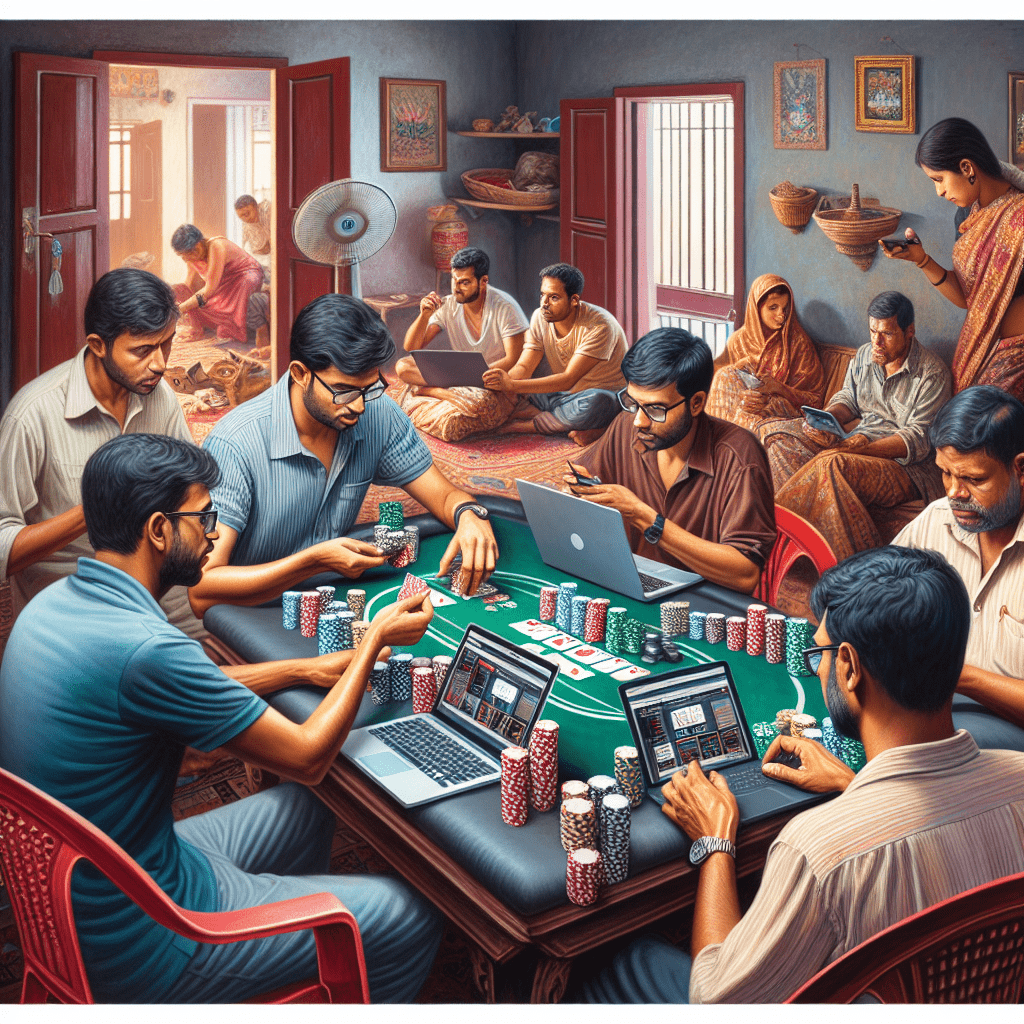
- Case Study 1: The Cautious Player – A 28-year-old software engineer from Dhaka began playing online poker using a VPN. He reported enjoying the game but expressed concerns about the legality and potential repercussions. He often plays in private groups to mitigate risks.
- Case Study 2: The Risk-Taker – A 35-year-old businessman openly participates in online poker tournaments. He acknowledges the risks but believes that the thrill and potential rewards outweigh the dangers. He has faced legal scrutiny but continues to play.
- Case Study 3: The Casual Player – A college student plays online poker for fun, often using free-to-play platforms. He is aware of the legal implications but feels that as long as he does not gamble with real money, he is safe from repercussions.
These case studies highlight the diverse experiences and attitudes of Bangladeshi players towards online poker, reflecting a spectrum of risk tolerance and awareness of legal issues.
The Future of Online Poker in Bangladesh
The future of online poker in Bangladesh remains uncertain. As internet access continues to expand and the global online gambling market grows, there may be increasing pressure on the government to reconsider its stance on online poker. Potential developments could include:
- Regulatory Changes: The government may explore the possibility of regulating online poker to generate tax revenue and protect players.
- Increased Awareness: As more people become aware of online poker, societal attitudes may shift, leading to a more open discussion about its legality and implications.
- International Collaboration: Bangladesh could benefit from learning from countries with successful online poker regulations, potentially paving the way for a more structured approach.
Conclusion: Navigating the Complex Landscape of Online Poker in Bangladesh
In conclusion, the question of whether it is legal to play online poker in Bangladesh is fraught with complexity. While the existing laws effectively render online poker illegal, the growing interest in the game and the potential for regulatory changes could reshape the landscape in the future. Players must navigate a challenging environment, balancing their passion for the game with the risks associated with legal repercussions and societal stigma.
As the global online poker scene continues to evolve, it remains to be seen how Bangladesh will adapt to these changes. For now, players should remain informed and cautious, understanding the legal implications of their choices while enjoying the thrill of the game.