How To Set Up Poker: A Comprehensive Guide
Setting up a poker game can be an exhilarating experience, whether you’re hosting a casual night with friends or organizing a more formal tournament. The thrill of the game, the camaraderie among players, and the strategic depth of poker make it a beloved pastime worldwide. In this article, we will explore the essential steps to set up a poker game, ensuring that you create an enjoyable and memorable experience for all participants.
Understanding the Basics of Poker
Before diving into the logistics of setting up a poker game, it’s crucial to understand the fundamentals of poker itself. Poker is a card game that combines skill, strategy, and luck. The most popular variant is Texas Hold’em, but there are many others, including Omaha, Seven-Card Stud, and more. Each variant has its own set of rules, but the core principles remain the same.
- Players: Typically, a poker game can accommodate 2 to 10 players.
- Objective: The goal is to win chips by either having the best hand at showdown or convincing other players to fold.
- Blinds and Antes: Most games require players to post blinds or antes to create a pot.
How To Set Up Poker: Essential Steps
Now that you have a grasp of the basics, let’s delve into the practical steps for setting up your poker game.
1. Choose the Right Location
The first step in setting up a poker game is selecting an appropriate venue. Consider the following:
- Space: Ensure there is enough room for a table and chairs for all players.
- Comfort: A comfortable environment will enhance the experience. Good lighting and ventilation are key.
- Privacy: Choose a location where players can focus without distractions.
2. Gather the Necessary Equipment
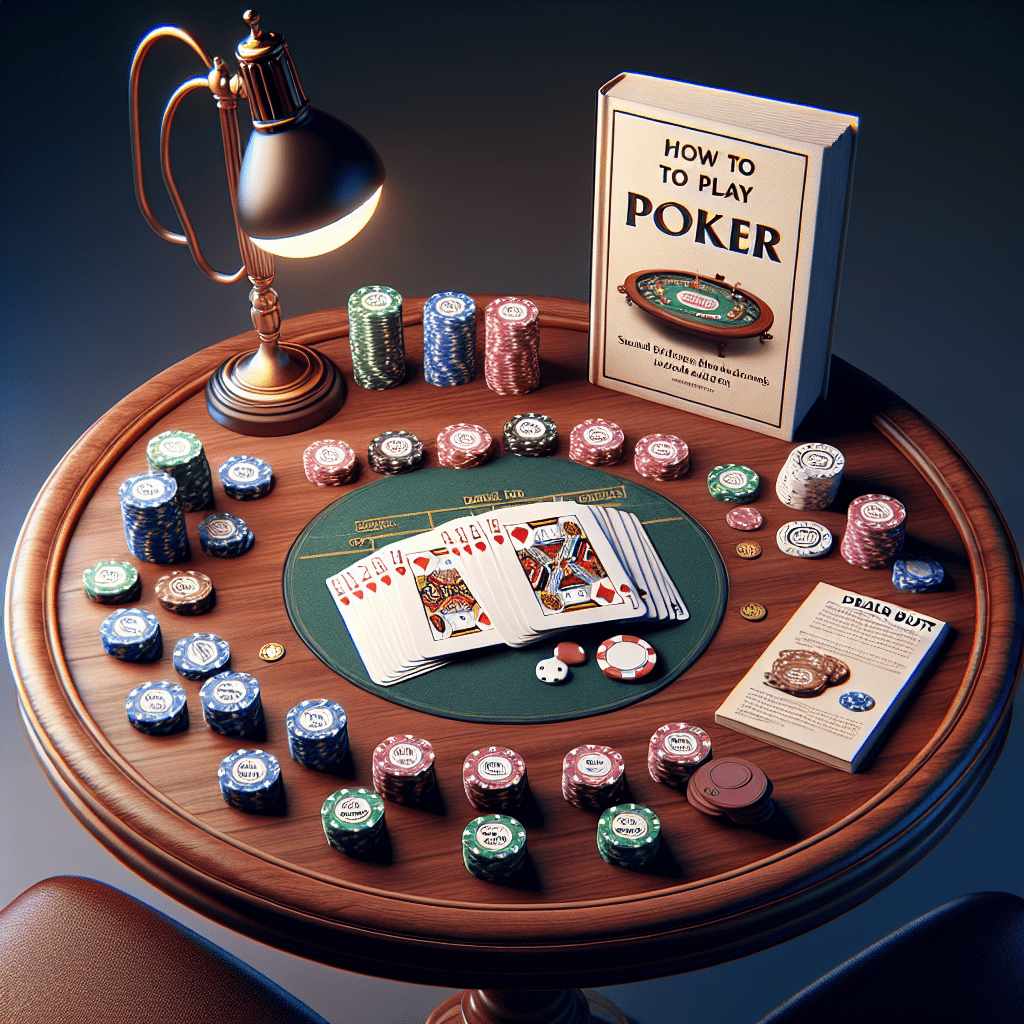
To host a successful poker game, you’ll need some essential equipment:
- Poker Table: While not mandatory, a dedicated poker table can enhance the experience. If unavailable, any large table will suffice.
- Chips: A standard set of poker chips includes 300-500 chips in various colors to represent different values.
- Cards: A couple of decks of standard playing cards are necessary. Ensure they are in good condition.
- Dealer Button: This indicates the dealer position and rotates clockwise after each hand.
3. Set the Rules and Structure
Establishing clear rules is vital for a smooth game. Here are some aspects to consider:
- Game Type: Decide on the variant of poker you will play (e.g., Texas Hold’em, Omaha).
- Blinds/Antes: Determine the blind structure or whether to use antes. For example, in a typical Texas Hold’em game, blinds might start at $1/$2.
- Buy-in Amount: Set a buy-in amount that is comfortable for all players. This could range from $20 to $100 or more, depending on the group.
- Time Limits: If you’re playing for an extended period, consider setting time limits for each hand to keep the game moving.
4. Invite Your Players
Once the logistics are in place, it’s time to invite your friends or fellow poker enthusiasts. Here are some tips:
- Send Invites Early: Give players ample notice to ensure they can attend.
- Communicate Rules: Share the game type, buy-in, and any specific rules in advance.
- Encourage a Friendly Atmosphere: Remind players that the goal is to have fun, regardless of skill level.
5. Prepare for the Game Day
As the game day approaches, there are a few final preparations to make:
- Set Up the Table: Arrange the table with chips, cards, and the dealer button.
- Snacks and Drinks: Provide refreshments to keep players energized. Finger foods and beverages are ideal.
- Music and Ambiance: Consider playing some background music to create a relaxed atmosphere.
Case Study: A Successful Poker Night
To illustrate the effectiveness of these steps, let’s look at a case study of a successful poker night hosted by a group of friends. They decided to hold a Texas Hold’em tournament at a local community center. Here’s what they did:
- Location: They rented a spacious room with ample seating and good lighting.
- Equipment: They borrowed poker tables and chips from a local club.
- Rules: They established a clear set of rules and a blind structure that escalated every 30 minutes.
- Invitations: They created a group chat to keep everyone informed and excited.
- Food and Drinks: They arranged for pizza and drinks, making it a festive occasion.
The result? A night filled with laughter, competition, and camaraderie, with everyone eager to participate in the next game.
Conclusion
Setting up a poker game can be a rewarding endeavor that brings friends together for an evening of fun and strategy. By following the steps outlined in this article—choosing the right location, gathering the necessary equipment, establishing clear rules, inviting players, and preparing for game day—you can create an engaging and enjoyable poker experience. Remember, the essence of poker lies not just in winning but in the shared moments and memories created around the table. So gather your friends, shuffle those cards, and get ready for an unforgettable night of poker!