How To Practice Poker: Mastering the Game with Strategy and Skill
Poker is not just a game of chance; it’s a complex blend of strategy, psychology, and mathematics. Whether you’re a novice looking to learn the ropes or an experienced player aiming to refine your skills, understanding how to practice poker effectively is crucial. This article will guide you through various methods and techniques to enhance your poker game, ensuring you’re well-prepared for both casual games and high-stakes tournaments.
The Fundamentals of Poker
Before diving into practice techniques, it’s essential to grasp the fundamentals of poker. The game has numerous variations, but Texas Hold’em is the most popular. Here are some key concepts to understand:
- Hand Rankings: Familiarize yourself with the hierarchy of poker hands, from high card to royal flush.
- Blinds and Antes: Understand the betting structures that dictate how much players must wager to participate in a hand.
- Position: Recognize the importance of your seating position at the table, as it influences your strategy.
- Reading Opponents: Develop the ability to read your opponents’ behaviors and betting patterns.
How To Practice Poker: Techniques and Strategies
Now that you have a solid foundation, let’s explore effective ways to practice poker. These methods will help you develop your skills, improve your decision-making, and enhance your overall game.
1. Online Poker Platforms
One of the most accessible ways to practice poker is through online platforms. Websites like PokerStars, 888poker, and partypoker offer a variety of games and stakes. Here’s how to make the most of online poker:
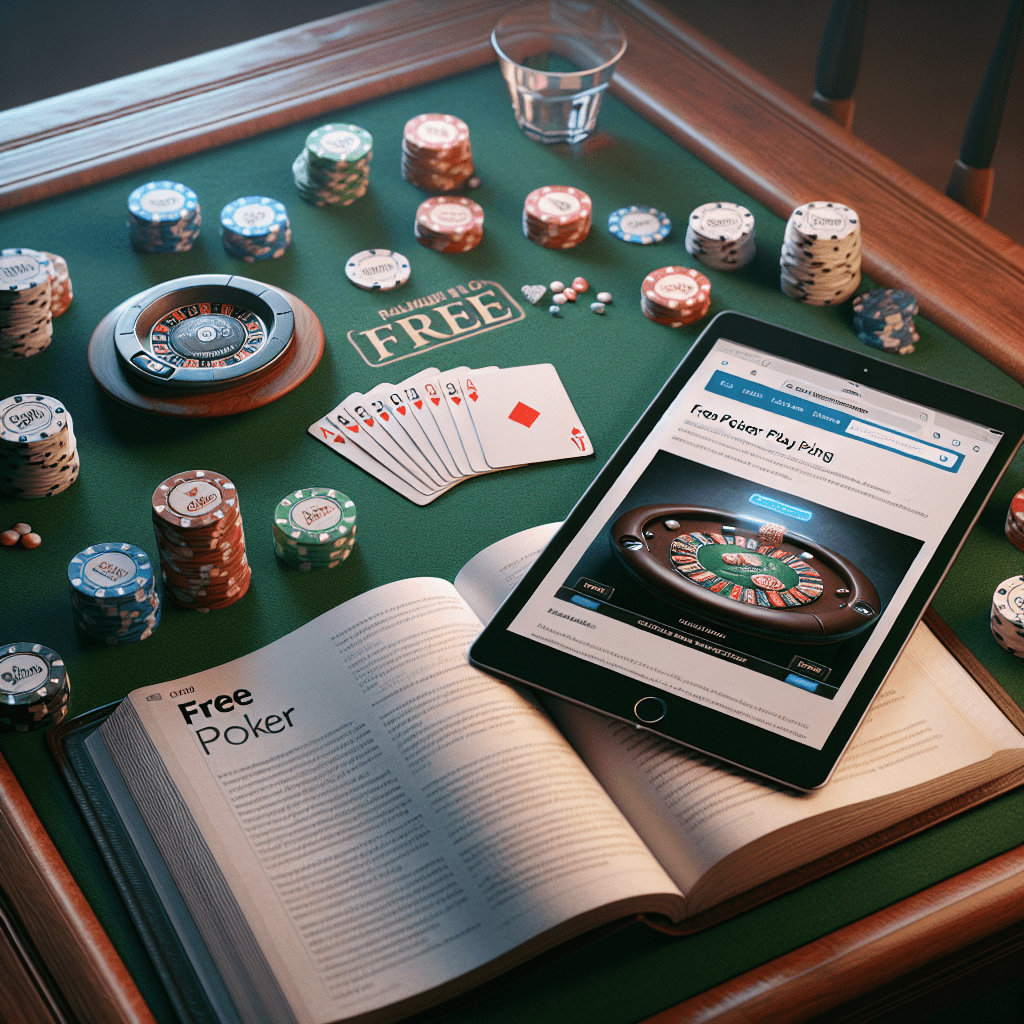
- Play Free Games: Start with free play or low-stakes games to minimize risk while you learn.
- Utilize Training Tools: Many platforms provide tools like hand history reviews and equity calculators to analyze your gameplay.
- Join Forums and Communities: Engage with other players to share strategies and gain insights.
2. Study Poker Theory
Understanding the theoretical aspects of poker is vital for long-term success. Here are some resources to consider:
- Books: Read classic poker literature such as “The Theory of Poker” by David Sklansky or “Harrington on Hold’em” by Dan Harrington.
- Videos and Podcasts: Follow poker training sites like Upswing Poker or watch YouTube channels dedicated to poker strategy.
- Hand Analysis: Review your hands after each session to identify mistakes and areas for improvement.
3. Play with Friends
Organizing home games with friends can be a fun and effective way to practice. Here’s how to make the most of these sessions:
- Set Up Different Formats: Experiment with various game types, such as cash games, tournaments, or sit-and-gos.
- Discuss Hands: After each session, discuss key hands and decisions to learn from each other’s experiences.
- Simulate Pressure: Create a competitive atmosphere by introducing small stakes or timed rounds.
4. Use Poker Software
Investing in poker software can significantly enhance your practice sessions. Tools like PokerTracker and Holdem Manager allow you to:
- Track Your Performance: Analyze your win rates, positional play, and overall statistics.
- Review Opponent Trends: Gain insights into your opponents’ tendencies and adjust your strategy accordingly.
- Simulate Scenarios: Use equity calculators to understand how different hands perform against each other.
Psychological Aspects of Poker
Beyond the technical skills, poker is a mental game. Developing psychological resilience is crucial for success. Here are some strategies to enhance your mental game:
- Emotional Control: Learn to manage your emotions, especially during losing streaks. Techniques like mindfulness and deep breathing can help.
- Focus on the Process: Concentrate on making the best decisions rather than fixating on winning or losing.
- Set Goals: Establish clear, achievable goals for your poker practice, such as improving your win rate or mastering a specific strategy.
Case Studies: Successful Players and Their Practices
To illustrate the effectiveness of these practices, let’s look at a few successful poker players and their approaches:
- Daniel Negreanu: Known for his exceptional reading skills, Negreanu emphasizes the importance of understanding opponents. He often reviews his hands and discusses them with peers to refine his strategies.
- Phil Ivey: Ivey is renowned for his adaptability. He practices by playing against a wide range of opponents and styles, allowing him to adjust his game dynamically.
- Vanessa Selbst: A former professional player, Selbst focused heavily on studying game theory and mathematics, which helped her dominate in high-stakes tournaments.
Conclusion: Elevate Your Poker Game
Practicing poker is a multifaceted endeavor that requires dedication, strategy, and a willingness to learn. By utilizing online platforms, studying theory, playing with friends, and leveraging software tools, you can significantly improve your skills. Additionally, focusing on the psychological aspects of the game will help you maintain composure and make better decisions under pressure.
Remember, the journey to becoming a proficient poker player is ongoing. Embrace the learning process, analyze your gameplay, and continuously seek improvement. With the right approach and commitment, you’ll be well on your way to mastering the art of poker.