How to Play Poker for Beginners: A Comprehensive Guide
Poker is not just a game of chance; it’s a strategic battle of wits, psychology, and skill. For beginners, diving into the world of poker can be both exciting and daunting. This article will guide you through the essential aspects of how to play poker for beginners, ensuring you have a solid foundation to build upon.
Understanding the Basics of Poker
Before you sit down at a poker table, it’s crucial to understand the fundamental rules and structure of the game. Here are the key components:
- Types of Poker: The most popular variants include Texas Hold’em, Omaha, and Seven-Card Stud. Texas Hold’em is often recommended for beginners due to its straightforward rules.
- Hand Rankings: Familiarize yourself with poker hand rankings, from high card to royal flush. Knowing which hands beat others is essential for making informed decisions.
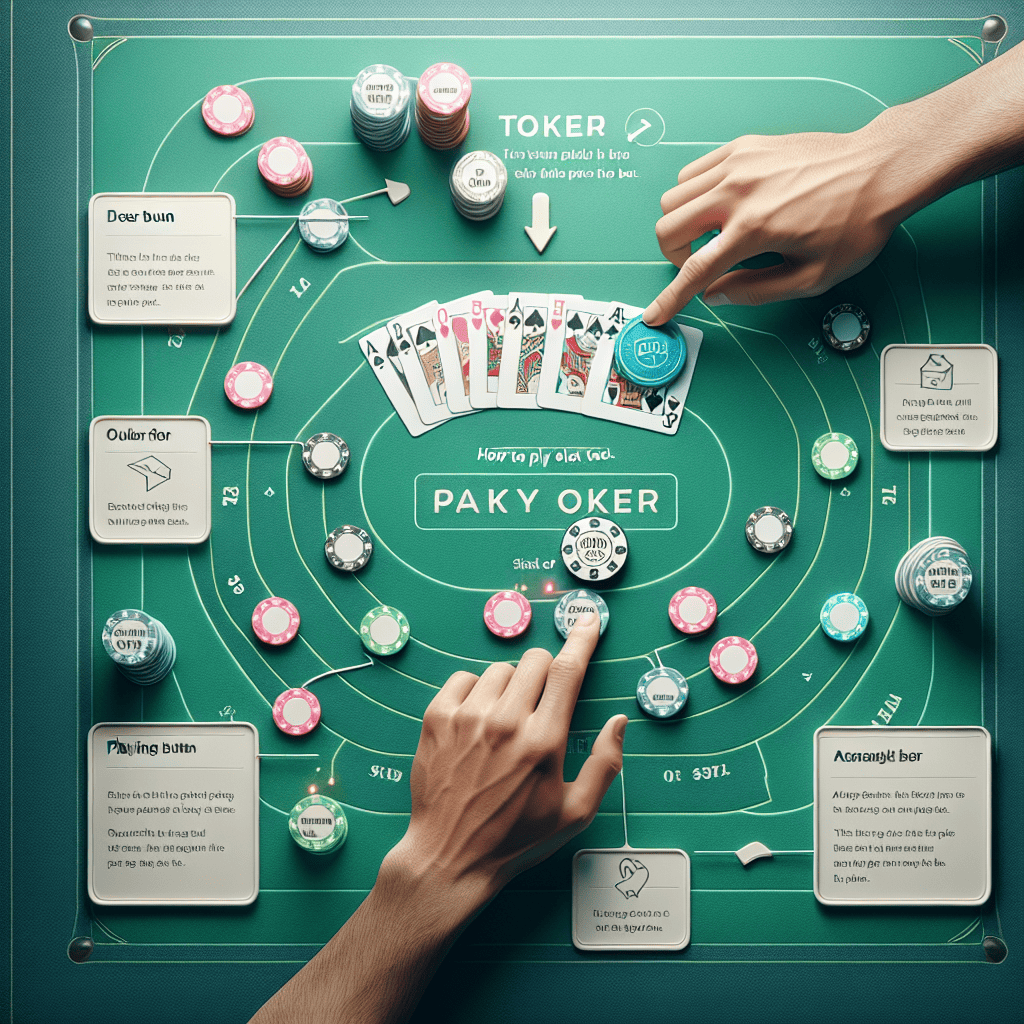
- Blinds and Antes: In most games, players must post blinds or antes to create a pot. This adds an element of strategy as you decide when to enter the pot.
How to Play Poker for Beginners: Step-by-Step Guide
Now that you have a grasp of the basics, let’s break down the steps to playing poker:
- Step 1: Learn the Rules – Each variant has its own set of rules. For Texas Hold’em, players are dealt two private cards and share five community cards. The goal is to make the best five-card hand.
- Step 2: Understand Betting Rounds – Poker involves several betting rounds. Players can check, bet, call, raise, or fold. Understanding when to use each action is crucial.
- Step 3: Practice Good Bankroll Management – Set a budget for your poker sessions and stick to it. This will help you avoid significant losses and keep the game enjoyable.
- Step 4: Observe and Learn – Watch experienced players and learn from their strategies. Pay attention to their betting patterns and how they react to different situations.
Strategies for Success
While luck plays a role in poker, skill and strategy are what separate the winners from the losers. Here are some beginner-friendly strategies:
- Play Tight and Aggressive: Focus on playing fewer hands but playing them aggressively. This means betting and raising when you have a strong hand rather than just calling.
- Position is Key: Your position at the table affects your strategy. Being in a later position allows you to see how other players act before making your decision.
- Know When to Fold: One of the most important skills in poker is knowing when to walk away. Don’t be afraid to fold if your hand isn’t strong enough.
Conclusion: Your Journey Begins
Learning how to play poker for beginners is an exciting journey filled with opportunities for growth and enjoyment. By understanding the basics, practicing good strategies, and managing your bankroll wisely, you can enhance your skills and increase your chances of success at the poker table. Remember, every expert was once a beginner, so embrace the learning process and enjoy the game!