How To Play Poker At Home: A Comprehensive Guide
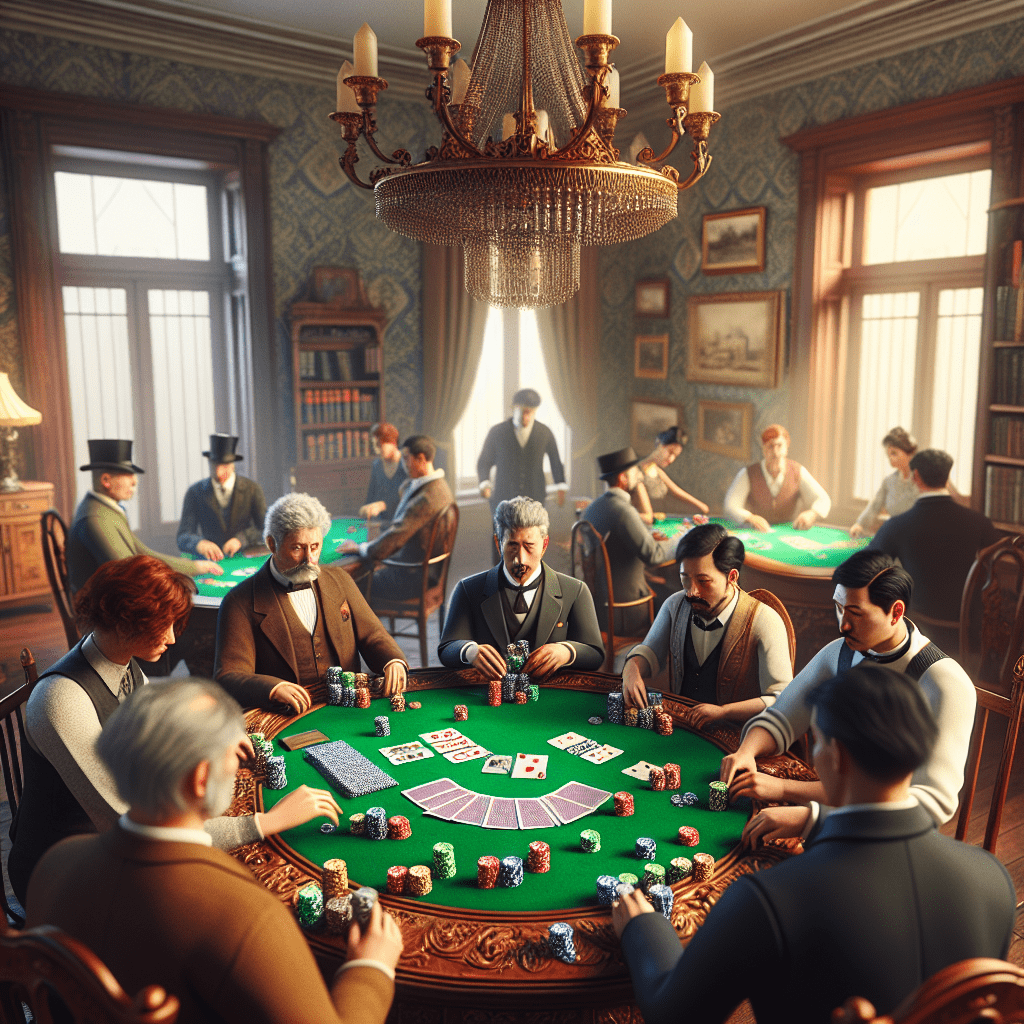
Poker is more than just a game; it’s a social experience, a test of skill, and a thrilling way to engage with friends and family. With the rise of online gaming, many have forgotten the joys of playing poker in the comfort of their own homes. This article will guide you through the essentials of how to play poker at home, from setting up the game to mastering the strategies that can lead you to victory.
Setting Up Your Home Poker Game
Before diving into the intricacies of poker, it’s crucial to create an inviting and functional environment. Here’s how to set the stage:
- Choose the Right Space: Find a comfortable area with enough room for everyone. A dining table or a large coffee table works well.
- Gather Your Supplies: You’ll need a standard deck of cards, poker chips, and a dealer button. If you want to elevate the experience, consider purchasing a poker table felt.
- Set the Mood: Dim the lights, play some background music, and ensure there are snacks and drinks available. This will create a relaxed atmosphere.
Understanding the Basics of Poker
Before you can effectively learn how to play poker at home, it’s essential to understand the basic rules and variations of the game. The most popular form of poker is Texas Hold’em, but there are several other variations worth exploring.
Texas Hold’em Rules
In Texas Hold’em, each player is dealt two private cards (known as hole cards), and five community cards are dealt face-up on the “board.” Players use these cards to make the best five-card hand. Here’s a brief overview of the gameplay:
- Blinds: The game starts with two players posting small and big blinds to create a pot.
- Pre-Flop: Players receive their hole cards and decide whether to call, raise, or fold.
- Flop: Three community cards are dealt face-up, followed by another round of betting.
- Turn: A fourth community card is dealt, followed by another betting round.
- River: The fifth and final community card is dealt, leading to the last round of betting.
- Showdown: If there are two or more players remaining, they reveal their hands, and the best hand wins the pot.
Other Popular Variations
While Texas Hold’em is the most recognized, other variations can add excitement to your home game:
- Omaha: Similar to Texas Hold’em, but players receive four hole cards and must use two of them in combination with three of the five community cards.
- Seven Card Stud: Players receive seven cards, three face-down and four face-up, with no community cards. The best five-card hand wins.
- Five Card Draw: Each player is dealt five cards and can exchange some or all of them for new cards in hopes of improving their hand.
Mastering Poker Strategies
Once you’ve set up your game and understand the rules, it’s time to delve into strategies that can enhance your gameplay. Here are some key strategies to consider:
- Starting Hand Selection: Be selective about the hands you play. Strong starting hands can significantly increase your chances of winning.
- Position Matters: Your position at the table can influence your strategy. Being last to act gives you more information about your opponents’ actions.
- Bluffing: A well-timed bluff can win you pots, but it should be used sparingly and strategically.
- Reading Opponents: Pay attention to your opponents’ betting patterns and body language. This can provide valuable insights into their hands.
- Bankroll Management: Set a budget for your poker night and stick to it. This will help you enjoy the game without financial stress.
Creating a Fun and Engaging Atmosphere
To ensure that everyone has a great time, consider these tips for enhancing the social aspect of your poker night:
- Establish House Rules: Before starting, agree on the rules, including betting limits, buy-ins, and whether to allow re-buys.
- Encourage Friendly Competition: Consider offering small prizes for the winners to add an extra layer of excitement.
- Rotate Dealers: Allow different players to take on the role of dealer to keep things fresh and engaging.
- Take Breaks: Schedule breaks for snacks and socializing to keep the atmosphere light and enjoyable.
Conclusion
Playing poker at home can be a rewarding experience filled with laughter, strategy, and friendly competition. By understanding how to play poker at home, setting up a comfortable environment, mastering the rules and strategies, and fostering a fun atmosphere, you can create memorable game nights that everyone will look forward to. Whether you’re a seasoned player or a newcomer, the thrill of poker is just a deck of cards away. So gather your friends, shuffle the cards, and let the games begin!