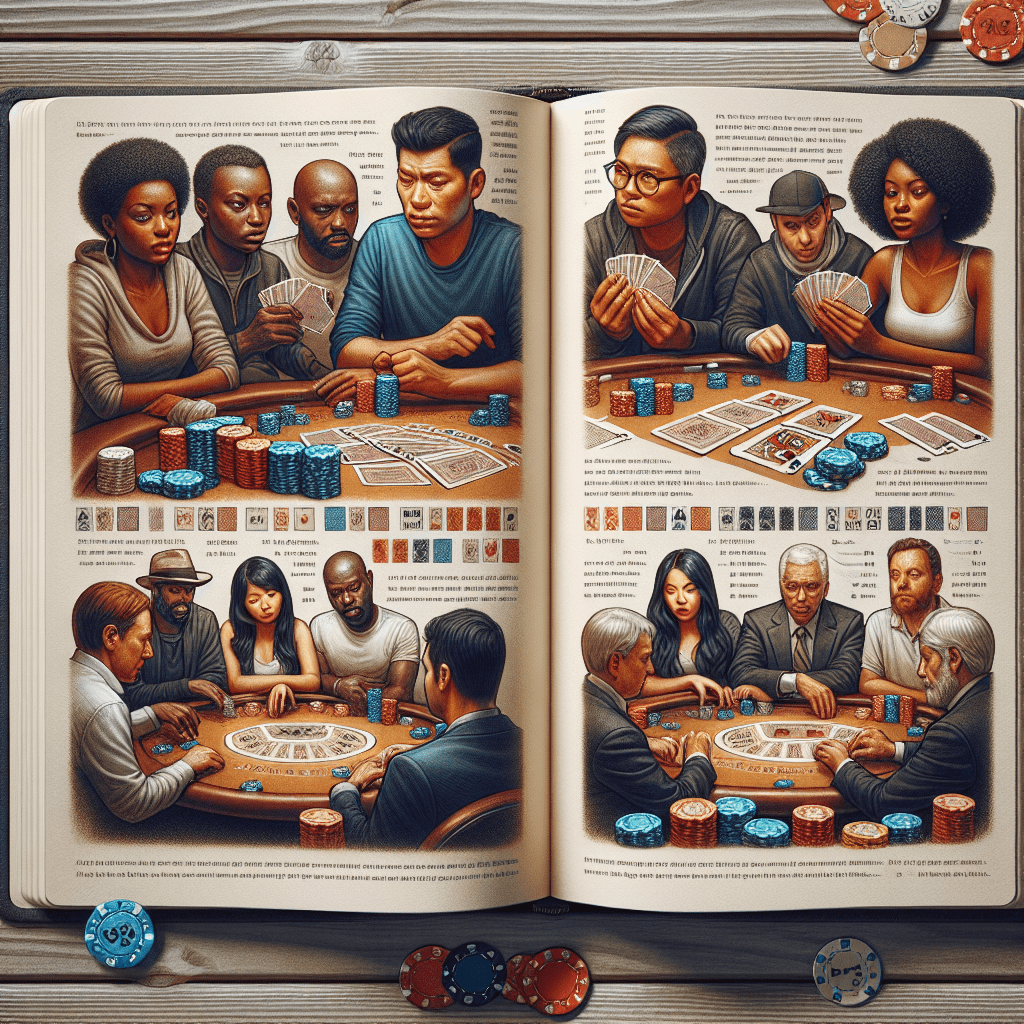
How To Play Indian Poker: A Comprehensive Guide

Indian Poker, also known as Blind Man’s Bluff, is a captivating card game that combines elements of strategy, psychology, and chance. It’s a game that can be played with friends at a casual gathering or in a more competitive setting. In this article, we will explore the rules, strategies, and nuances of Indian Poker, ensuring you have all the information you need to join in on the fun.
Understanding the Basics of Indian Poker
Before diving into the intricacies of how to play Indian Poker, it’s essential to grasp the fundamental aspects of the game. Indian Poker is typically played with a standard 52-card deck and can accommodate anywhere from 3 to 10 players. The objective is simple: to win chips by either having the highest card or by bluffing your opponents into folding.
Game Setup
Setting up a game of Indian Poker is straightforward. Here’s what you need:
- A standard 52-card deck
- Chips or tokens for betting
- A group of players (3-10 is ideal)
Each player starts with an equal number of chips, and the game can be played in rounds, with each round consisting of betting and revealing cards.
How To Play Indian Poker: Step-by-Step Guide
Now that you understand the basics, let’s break down how to play Indian Poker step by step:
1. Dealing the Cards
At the beginning of each round, each player is dealt one card face down. Players must not look at their own cards. Instead, they will place the card on their forehead facing outward, allowing everyone else to see it except themselves.
2. The Betting Round
Once the cards are dealt, a betting round begins. Players can either:
- Call: Match the current bet
- Raise: Increase the bet
- Fold: Withdraw from the round
Players must base their decisions on the cards they can see on their opponents’ foreheads, making it a game of deduction and bluffing.
3. Revealing the Cards
After the betting round concludes, players reveal their cards. The player with the highest card wins the pot. In the case of a tie, the pot is split among the winners.
4. Continuing the Game
The game can continue for as many rounds as players desire, with players re-buying chips as necessary. The player who accumulates the most chips by the end of the game is declared the winner.
Strategies for Success in Indian Poker
While luck plays a significant role in Indian Poker, employing effective strategies can enhance your chances of winning. Here are some tips to consider:
- Observe Your Opponents: Pay attention to how your opponents react during the betting rounds. Their body language and betting patterns can provide valuable insights into the strength of their cards.
- Bluff Wisely: Bluffing is a crucial aspect of Indian Poker. Use it strategically to mislead your opponents into folding stronger hands.
- Know When to Fold: If you suspect that your opponents have higher cards, don’t hesitate to fold. Preserving your chips for a better opportunity is often wiser than chasing a losing hand.
- Manage Your Chips: Be mindful of your chip stack. Avoid going all-in too early in the game, as it can limit your options in later rounds.
Case Study: The Psychology of Indian Poker
Understanding the psychological aspects of Indian Poker can significantly impact your gameplay. A study conducted by the University of California found that players who exhibited confidence and maintained a calm demeanor were more likely to win. This is because their opponents were more likely to fold when faced with a seemingly strong player.
Moreover, the ability to read facial expressions and body language can provide a competitive edge. Players who can accurately gauge their opponents’ emotions can make more informed decisions during betting rounds.
Conclusion: Mastering Indian Poker
In conclusion, Indian Poker is a thrilling game that combines strategy, psychology, and a bit of luck. By understanding the rules and employing effective strategies, you can enhance your gameplay and enjoy this engaging card game with friends and family. Remember to observe your opponents, bluff wisely, and manage your chips effectively. With practice, you’ll not only learn how to play Indian Poker but also become a formidable player at the table.
So gather your friends, shuffle the deck, and get ready for an exciting game of Indian Poker!