How to Play 2 Card Indian Poker: A Comprehensive Guide

Indian Poker, also known as “Blind Man’s Bluff,” is a popular card game that combines elements of strategy, psychology, and chance. While the traditional version involves players holding cards to their foreheads, the 2 Card Indian Poker variant simplifies the gameplay while retaining the excitement. In this article, we will explore how to play 2 card Indian poker, the rules, strategies, and tips to enhance your gaming experience.
Understanding the Basics of 2 Card Indian Poker
Before diving into the gameplay, it’s essential to grasp the fundamental aspects of 2 Card Indian Poker. The game is typically played with a standard 52-card deck and can accommodate anywhere from 2 to 10 players. The objective is straightforward: to win chips or money by having the highest card or by bluffing your opponents into folding.
Game Setup
Setting up a game of 2 Card Indian Poker is simple:
- Players: Gather 2 to 10 players.
- Chips: Each player starts with an equal number of chips or a predetermined amount of money.
- Deck: Use a standard 52-card deck, removing jokers.
Dealing the Cards
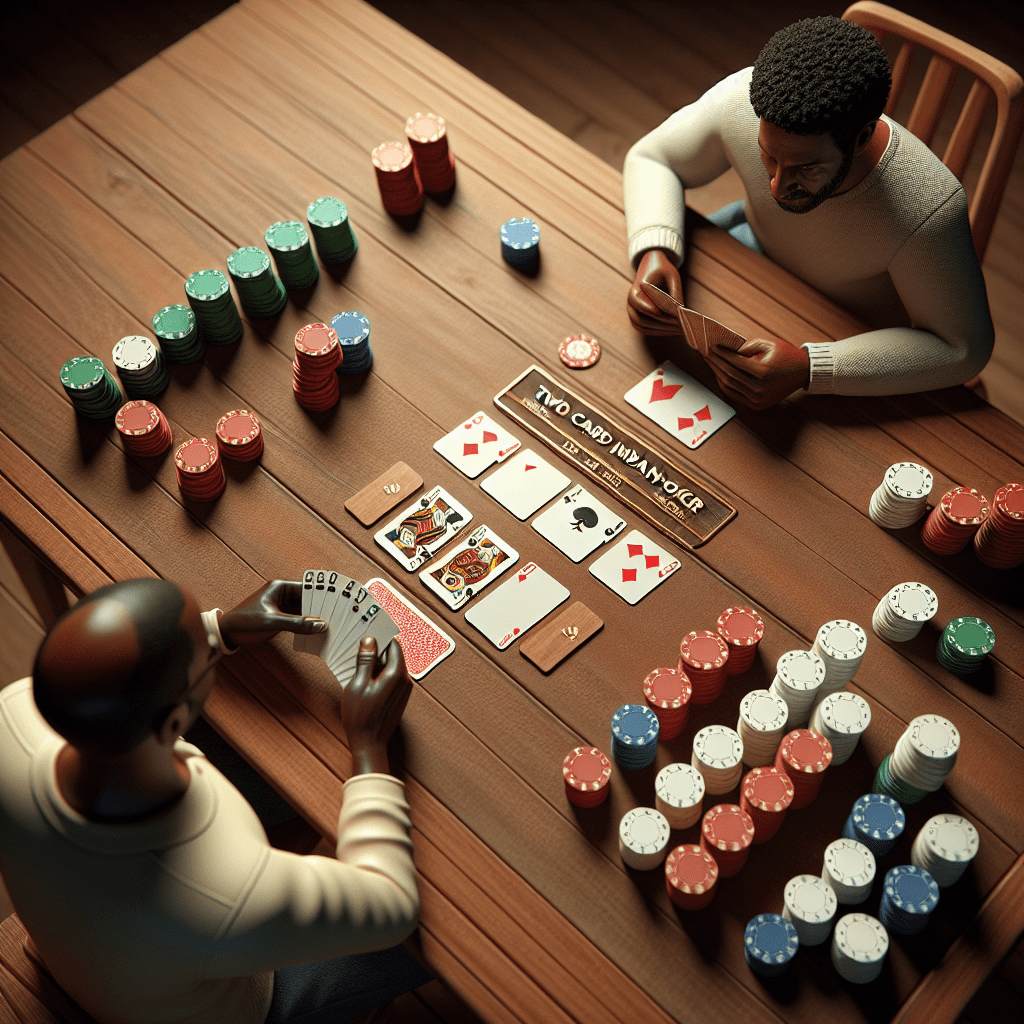
Once the players are ready, the dealer shuffles the deck and deals two cards face down to each player. Players should not look at their cards; instead, they will hold them against their foreheads, allowing everyone else to see their cards but not their own.
How to Play 2 Card Indian Poker
Now that you understand the setup, let’s delve into how to play 2 card Indian poker. The gameplay consists of several rounds, each with its own set of actions.
Betting Rounds
The game typically consists of two betting rounds:
- First Round: After the cards are dealt, players assess the visible cards of their opponents. Based on their observations, they can choose to either call (match the current bet), raise (increase the bet), or fold (withdraw from the round).
- Second Round: If there are still players in the game after the first round, a second round of betting occurs. Players can again call, raise, or fold based on their perceived strength of their hand and their opponents’ reactions.
Revealing the Cards
Once the betting rounds are complete, players reveal their cards simultaneously. The player with the highest card wins the pot. In the case of a tie, the suit of the cards can determine the winner, with the hierarchy being:
- Spades (highest)
- Hearts
- Diamonds
- Clubs (lowest)
Strategies for Success in 2 Card Indian Poker
While luck plays a significant role in 2 card Indian poker, employing effective strategies can enhance your chances of winning. Here are some tips to consider:
Reading Opponents
Since players can see each other’s cards, observing your opponents’ reactions is crucial. Look for signs of confidence or hesitation, which can indicate the strength of their hands. For instance:
- If a player is overly aggressive in betting, they may have a strong hand.
- If a player hesitates before betting, they might be bluffing or unsure of their hand.
Bluffing Wisely
Bluffing is a key component of 2 card Indian poker. However, it should be used judiciously. Here are some scenarios where bluffing might be effective:
- When you have a low card but believe your opponents have weaker hands.
- When you notice that your opponents are cautious and may fold to pressure.
Managing Your Chips
Effective chip management is vital in any poker game. Set limits for yourself and avoid going all-in unless you are confident in your hand. Consider the following:
- Establish a budget before starting the game.
- Know when to walk away if you’re on a losing streak.
Case Studies: Learning from Experienced Players
To further understand the dynamics of 2 card Indian poker, let’s look at a couple of case studies from experienced players.
Case Study 1: The Aggressive Player
One player, known for their aggressive betting style, often bluffed their way to victory. They would raise the stakes significantly after observing weak reactions from opponents. This strategy worked well until they faced a more experienced player who called their bluff, leading to a significant loss. This case highlights the importance of balancing aggression with caution.
Case Study 2: The Cautious Player
Another player adopted a more cautious approach, only betting when they had a strong hand. This strategy allowed them to accumulate chips gradually. However, they missed opportunities to bluff when they had weaker cards. This case illustrates that while caution can be beneficial, it’s essential to seize opportunities to bluff when the situation calls for it.
Conclusion: Mastering 2 Card Indian Poker
In conclusion, learning how to play 2 card Indian poker involves understanding the rules, mastering the art of reading opponents, and employing effective strategies. The blend of luck and skill makes this game exciting and unpredictable. By observing your opponents, managing your chips wisely, and knowing when to bluff, you can enhance your chances of success.
Whether you’re a novice or an experienced player, the thrill of 2 card Indian poker lies in its simplicity and depth. So gather your friends, shuffle the deck, and enjoy the exhilarating experience of this classic card game!