How To Make Your Own Poker Cards: A Step-by-Step Guide
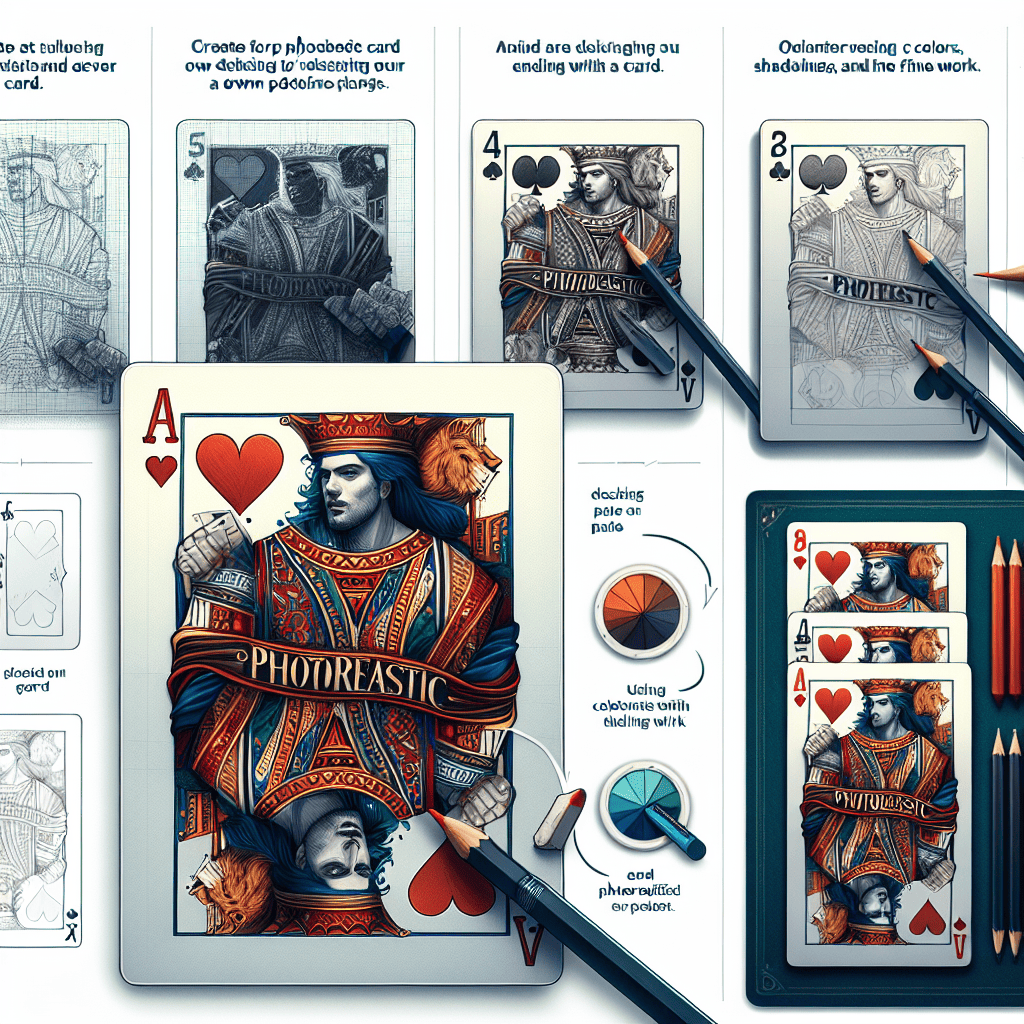
Creating your own poker cards can be a fun and rewarding project, whether you’re looking to personalize your game nights or create a unique gift for a fellow poker enthusiast. In this article, we will explore the materials, design options, and techniques you need to know to make your own poker cards. By the end, you’ll have all the information you need to impress your friends with a custom deck that reflects your style and creativity.
Understanding the Basics of Poker Cards
Before diving into the process of making your own poker cards, it’s essential to understand what makes a standard deck of poker cards. A traditional deck consists of 52 cards divided into four suits: hearts, diamonds, clubs, and spades. Each suit contains cards numbered from 2 to 10, along with a jack, queen, king, and ace. Additionally, many decks include two jokers.
Here are some key features of poker cards:
- Size: Standard poker cards measure 2.5 x 3.5 inches.
- Material: Most poker cards are made from a combination of paper and plastic for durability.
- Design: The design includes indices (the numbers and letters) and artwork that varies by deck.
Materials Needed for Your Custom Poker Cards
To create your own poker cards, you’ll need a few essential materials. Here’s a list to get you started:
- Cardstock: Choose a sturdy cardstock that mimics the feel of traditional poker cards.
- Printer: A high-quality inkjet or laser printer will ensure your designs come out crisp and vibrant.
- Design Software: Programs like Adobe Illustrator, Photoshop, or even free options like Canva can help you create your card designs.
- Cutting Tools: A paper cutter or scissors will be necessary for cutting your cards to size.
- Coating (optional): Consider using a laminate or spray sealant to protect your cards from wear and tear.
Designing Your Poker Cards
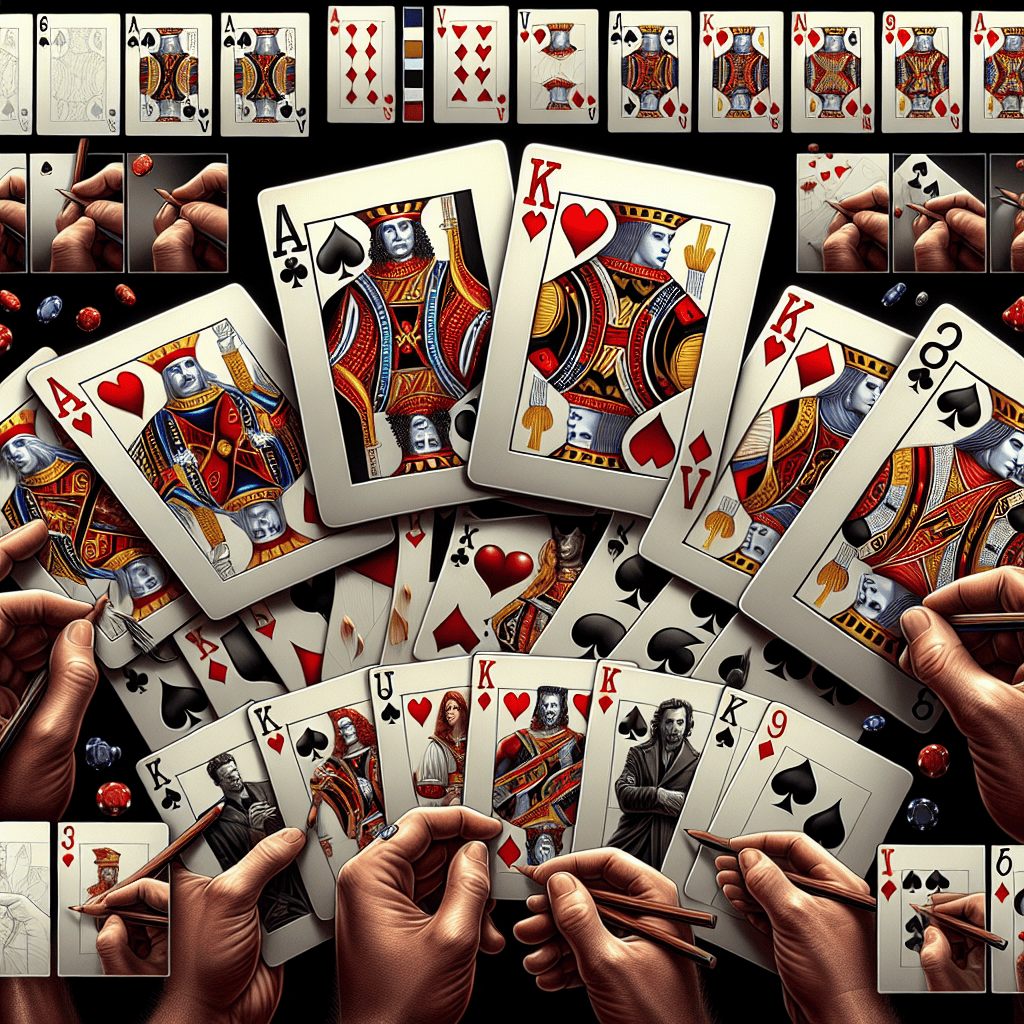
Now that you have your materials, it’s time to design your poker cards. This is where your creativity can shine! Here are some tips to help you create stunning designs:
- Choose a Theme: Decide on a theme for your deck. It could be anything from classic designs to pop culture references or even personal photos.
- Use High-Quality Images: If you’re incorporating images, ensure they are high resolution to avoid pixelation.
- Maintain Consistency: Keep the design elements consistent across all cards for a cohesive look.
- Test Readability: Make sure the indices are easy to read, especially for the face cards.
How To Make Your Own Poker Cards: The Step-by-Step Process
With your materials ready and designs in place, follow these steps to create your custom poker cards:
- Create Your Card Designs: Use your design software to create the front and back of each card. Remember to include the necessary indices and artwork.
- Print Your Designs: Load your cardstock into the printer and print your designs. Make sure to print a test page first to check for any errors.
- Cut the Cards: Once printed, carefully cut out each card using your paper cutter or scissors. Take your time to ensure clean edges.
- Coat the Cards (Optional): If you want to enhance durability, apply a laminate or spray sealant to protect your cards from damage.
- Let Them Dry: If you used any coatings, allow your cards to dry completely before handling them.
Case Study: A Successful Custom Poker Card Project
To illustrate the process, let’s look at a case study of a group of friends who decided to create their own poker cards for a game night. They chose a retro theme inspired by classic casino designs. Here’s how they approached their project:
- Brainstorming: The group met to discuss design ideas and settled on a color palette of red, black, and gold.
- Design Creation: One member with graphic design skills took the lead, using Adobe Illustrator to create the card layouts.
- Printing and Cutting: They printed their designs on high-quality cardstock and used a paper cutter for precision.
- Feedback Loop: After a test run, they made adjustments based on feedback from the group, ensuring everyone was satisfied with the final product.
The result? A unique deck of poker cards that not only enhanced their game nights but also served as a conversation starter among friends.
Conclusion: Unleash Your Creativity with Custom Poker Cards
Making your own poker cards is not just a fun DIY project; it’s an opportunity to express your creativity and personalize your gaming experience. By following the steps outlined in this article, you can create a unique deck that reflects your style and impresses your friends. Remember to choose quality materials, maintain a consistent design, and enjoy the process. Whether for personal use or as a gift, your custom poker cards are sure to be a hit!
So gather your materials, unleash your creativity, and get started on your journey of how to make your own poker cards today!