How to Learn Poker Strategy: A Comprehensive Guide
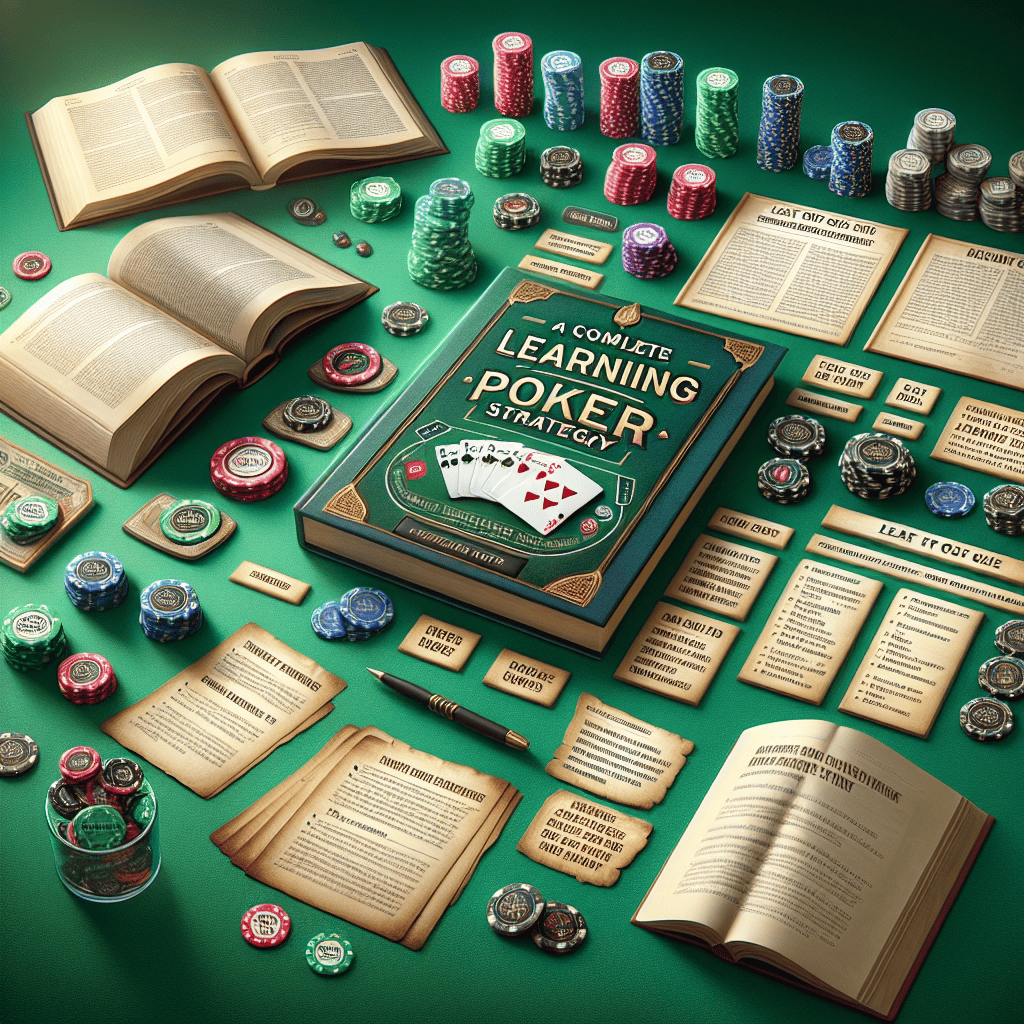
Poker is not just a game of chance; it’s a complex blend of skill, psychology, and strategy. Whether you’re a novice looking to understand the basics or an experienced player aiming to refine your skills, mastering poker strategy is essential for success. In this article, we will explore effective methods to learn poker strategy, backed by research, examples, and practical tips.
Understanding the Basics of Poker
Before diving into advanced strategies, it’s crucial to grasp the fundamental concepts of poker. Here are some key elements to consider:
- Hand Rankings: Familiarize yourself with the hierarchy of poker hands, from high card to royal flush.
- Game Variants: Understand the different types of poker games, such as Texas Hold’em, Omaha, and Seven Card Stud.
- Blinds and Antes: Learn how betting structures work, including the significance of blinds and antes in various games.
By mastering these basics, you’ll lay a solid foundation for more advanced strategies.
How to Learn Poker Strategy: Key Approaches
Learning poker strategy involves a combination of study, practice, and analysis. Here are some effective approaches:
1. Study the Game
Knowledge is power in poker. Here are some resources to enhance your understanding:
- Books: Consider reading classic poker strategy books like “The Theory of Poker” by David Sklansky or “Harrington on Hold’em” by Dan Harrington.
- Online Courses: Platforms like Upswing Poker and Run It Once offer structured courses taught by professional players.
- Forums and Blogs: Engage with the poker community through forums like TwoPlusTwo or blogs that provide insights and strategies.
By immersing yourself in these resources, you can gain a deeper understanding of the game’s intricacies.
2. Practice Regularly
Like any skill, practice is essential for mastering poker strategy. Here are some ways to practice effectively:
- Play Online: Online poker platforms allow you to play at your own pace and against a variety of opponents.
- Home Games: Organize regular poker nights with friends to practice in a relaxed environment.
- Use Poker Software: Tools like PokerTracker and Holdem Manager can help you analyze your gameplay and identify areas for improvement.
Regular practice not only hones your skills but also builds your confidence at the table.
3. Analyze Your Play
Self-analysis is a critical component of learning poker strategy. Here’s how to effectively analyze your gameplay:
- Review Hand Histories: After each session, review your hand histories to identify mistakes and missed opportunities.
- Discuss with Peers: Engage in discussions with fellow players to gain different perspectives on your decisions.
- Watch and Learn: Analyze videos of professional players to understand their thought processes and strategies.
By critically evaluating your play, you can make informed adjustments to your strategy.
The Role of Psychology in Poker Strategy
Understanding the psychological aspects of poker can significantly enhance your strategy. Here are some key psychological concepts to consider:
- Reading Opponents: Develop the ability to read your opponents’ behaviors and betting patterns to gain insights into their hands.
- Bluffing: Master the art of bluffing, knowing when to employ it and when to avoid it.
- Emotional Control: Maintain composure and avoid tilt, which can lead to poor decision-making.
Incorporating psychological strategies into your gameplay can give you a significant edge over your opponents.
Case Studies: Learning from the Pros
Examining the strategies of professional players can provide valuable insights. Consider the following examples:
- Phil Ivey: Known for his aggressive style, Ivey often employs a mix of bluffing and value betting, making it difficult for opponents to read him.
- Daniel Negreanu: Negreanu emphasizes the importance of understanding opponents’ tendencies, often adjusting his strategy based on their playing styles.
- Vanessa Selbst: Selbst’s success is attributed to her ability to adapt her strategy in real-time, showcasing the importance of flexibility in poker.
By studying these players, you can glean insights into effective strategies and adapt them to your own style of play.
Statistics and Probability: The Mathematical Side of Poker
Understanding the mathematical aspects of poker is crucial for developing a solid strategy. Here are some key concepts:
- Pot Odds: Learn how to calculate pot odds to determine whether a call is profitable based on the size of the pot and your chances of winning.
- Expected Value (EV): Familiarize yourself with the concept of EV to assess the long-term profitability of your decisions.
- Implied Odds: Consider implied odds when making decisions, as they account for potential future bets that can influence your profitability.
By integrating these mathematical principles into your strategy, you can make more informed decisions at the table.
Conclusion: Mastering Poker Strategy
Learning poker strategy is a multifaceted journey that requires dedication, practice, and a willingness to adapt. By studying the game, practicing regularly, analyzing your play, and understanding the psychological and mathematical aspects of poker, you can significantly improve your skills. Remember, even the best players continuously learn and evolve their strategies. Embrace the process, and you’ll find yourself becoming a more formidable player at the poker table.
In summary, whether you’re just starting or looking to refine your skills, understanding how to learn poker strategy is essential for success. Utilize the resources available, engage with the community, and most importantly, enjoy the game!