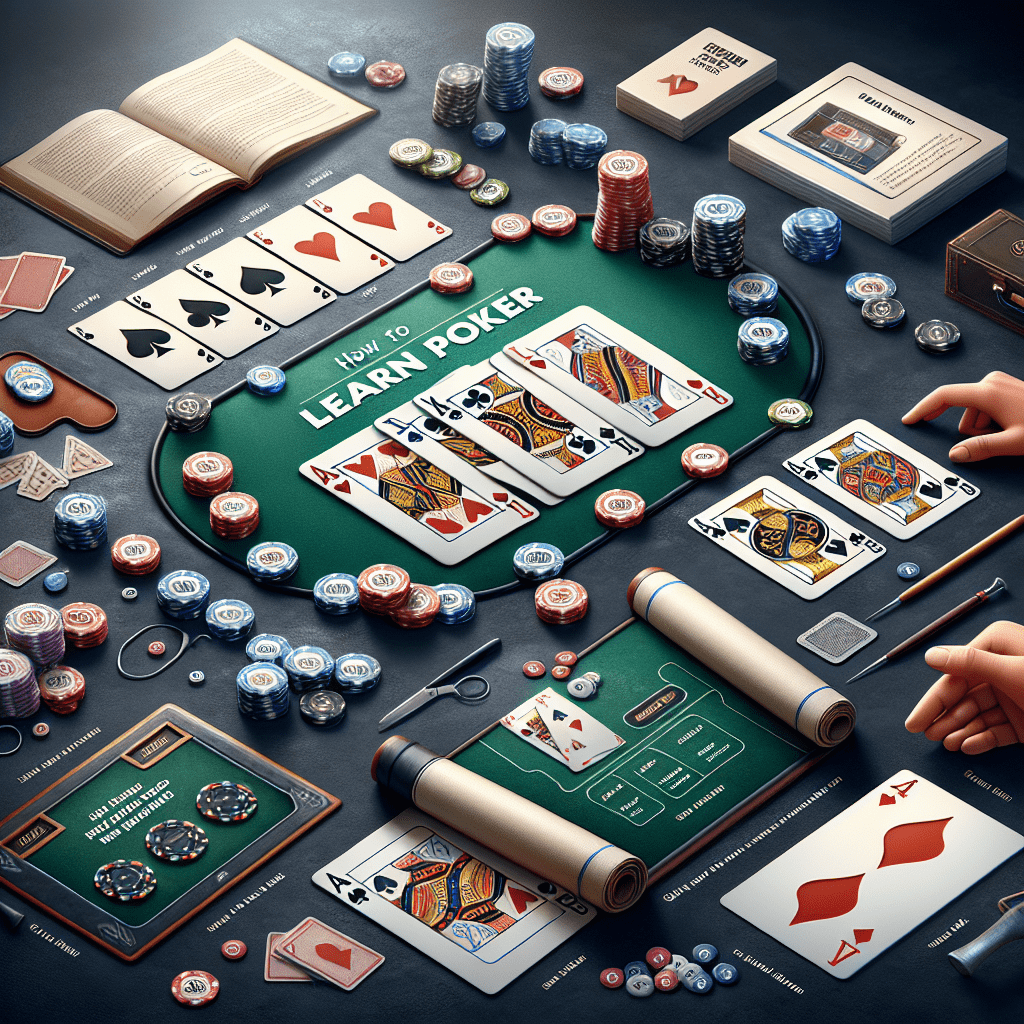
How To Learn Poker: A Comprehensive Guide for Beginners
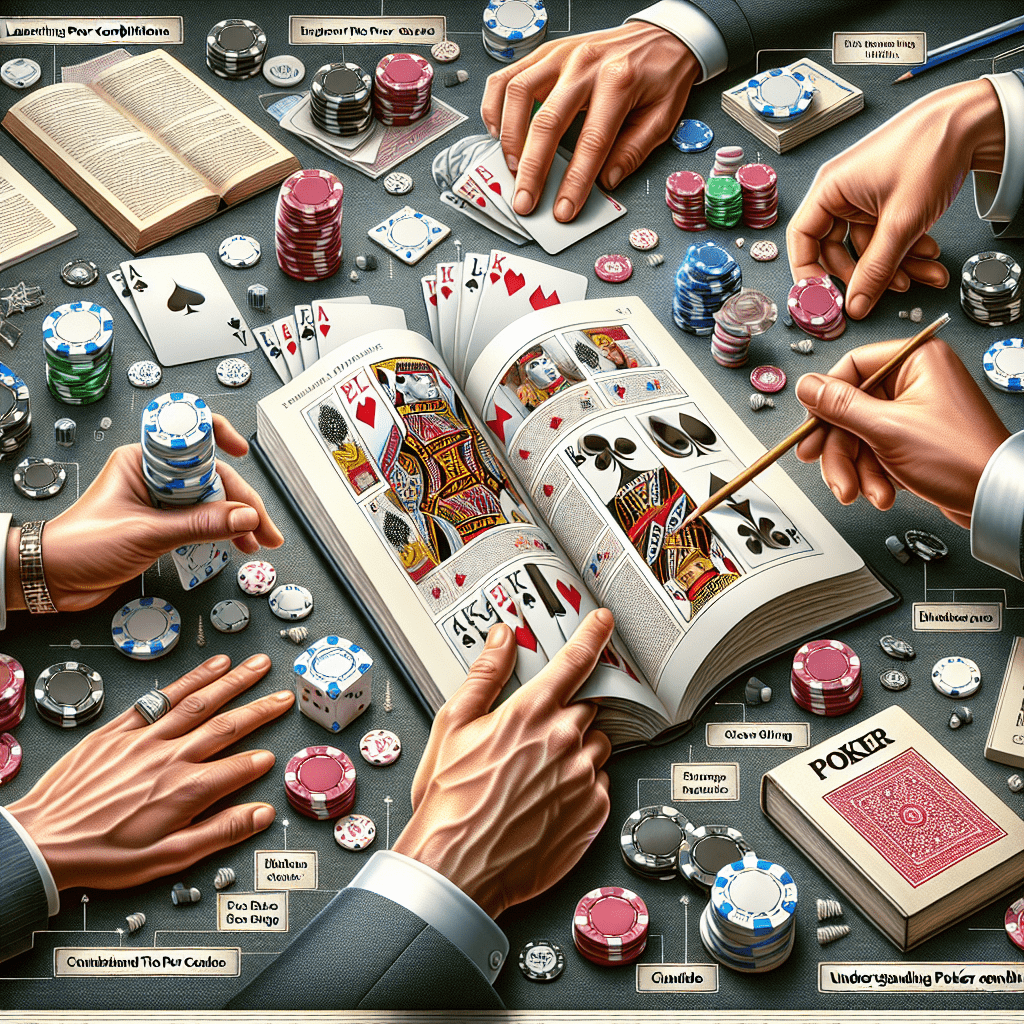
Poker is more than just a card game; it’s a blend of strategy, psychology, and mathematics. Whether you’re drawn to the thrill of competition or the allure of winning money, learning poker can be an exciting journey. This article will guide you through the essential steps to master the game, from understanding the basics to developing advanced strategies.
Understanding the Basics of Poker
Before diving into the complexities of poker, it’s crucial to grasp the fundamental rules and concepts. Here’s what you need to know:
- Types of Poker: Familiarize yourself with various poker games, such as Texas Hold’em, Omaha, and Seven-Card Stud. Each has its own set of rules and strategies.
- Hand Rankings: Learn the hierarchy of poker hands, from high card to royal flush. Knowing which hands beat others is essential for making informed decisions.
- Betting Rounds: Understand the structure of betting rounds, including pre-flop, flop, turn, and river in Texas Hold’em. Each round presents opportunities to bet, check, raise, or fold.
For example, in Texas Hold’em, players are dealt two private cards and share five community cards. The goal is to make the best five-card hand using any combination of the seven cards available.
How To Learn Poker: Essential Strategies for Beginners
Once you have a grasp of the basics, it’s time to develop your strategy. Here are some key strategies to consider:
- Starting Hand Selection: Not all hands are worth playing. Learn to identify strong starting hands and when to fold weaker ones. For instance, premium hands like pocket aces or kings should be played aggressively.
- Position Matters: Your position at the table can significantly impact your strategy. Being in a later position allows you to see how other players act before making your decision.
- Reading Opponents: Pay attention to your opponents’ betting patterns and body language. This can provide valuable insights into their possible hands and intentions.
Statistics show that players who understand the importance of position and hand selection tend to perform better in the long run. According to a study by the University of Alberta, skilled players can achieve a win rate of over 10% in cash games, while beginners often struggle to break even.
Practice Makes Perfect: Playing Poker Online
One of the best ways to learn poker is through practice. Online poker platforms offer a convenient way to play without the pressure of a live setting. Here are some tips for practicing effectively:
- Start with Free Games: Many online sites offer free poker games. Use these to familiarize yourself with the game mechanics without risking real money.
- Track Your Progress: Keep a record of your games, noting your wins, losses, and key decisions. This will help you identify areas for improvement.
- Join Online Communities: Engage with other players through forums and social media. Sharing experiences and strategies can enhance your learning process.
For instance, platforms like PokerStars and 888poker provide free play options and tutorials that can help you refine your skills before moving on to real-money games.
Advanced Strategies: Taking Your Game to the Next Level
Once you feel comfortable with the basics and have gained some experience, it’s time to delve into advanced strategies. Here are some concepts to explore:
- Bluffing: Mastering the art of bluffing can be a game-changer. However, it requires a keen understanding of your opponents and the game dynamics.
- Pot Odds and Expected Value: Learn to calculate pot odds to determine whether a call is profitable in the long run. Understanding expected value can help you make better decisions.
- Adjusting Your Strategy: Be flexible in your approach. Adjust your strategy based on the playing styles of your opponents and the dynamics of the table.
Consider the case of professional player Daniel Negreanu, who is known for his ability to read opponents and adjust his strategy accordingly. His success in tournaments is a testament to the importance of adaptability in poker.
Conclusion: Your Journey to Becoming a Poker Pro
Learning poker is a rewarding endeavor that combines skill, strategy, and psychology. By understanding the basics, developing effective strategies, and practicing regularly, you can improve your game significantly. Remember, even the best players started as beginners. Embrace the learning process, stay patient, and enjoy the journey.
In summary, here are the key takeaways on how to learn poker:
- Master the basic rules and hand rankings.
- Develop a solid strategy focusing on hand selection and position.
- Practice through online platforms and free games.
- Explore advanced strategies as you gain experience.
With dedication and practice, you can elevate your poker skills and enjoy the thrill of the game. Good luck at the tables!