How to Learn How to Play Poker: A Comprehensive Guide

Poker is more than just a card game; it’s a blend of strategy, psychology, and chance. Whether you’re drawn to the thrill of competition or the allure of winning money, learning how to play poker can be an exciting journey. This article will guide you through the essential steps to become a proficient poker player, covering everything from the basic rules to advanced strategies.
Understanding the Basics of Poker
Before diving into the complexities of poker, it’s crucial to grasp the fundamental rules and concepts. Here’s what you need to know:
- Types of Poker: Familiarize yourself with various poker games, such as Texas Hold’em, Omaha, Seven-Card Stud, and more. Each game has its own set of rules and strategies.
- Hand Rankings: Understand the hierarchy of poker hands. From high card to royal flush, knowing which hands beat others is essential for making informed decisions.
- Blinds and Antes: Learn about the betting structures. Blinds are forced bets in games like Texas Hold’em, while antes are used in other formats.
- Betting Rounds: Get acquainted with the different phases of betting, including pre-flop, flop, turn, and river.
How to Learn How to Play Poker: Step-by-Step Approach
Now that you have a grasp of the basics, let’s explore a structured approach to learning how to play poker effectively.
1. Start with Online Resources
The internet is a treasure trove of information. Here are some resources to kickstart your poker education:
- Online Tutorials: Websites like PokerStrategy and Upswing Poker offer free and paid tutorials that cover everything from beginner to advanced strategies.
- YouTube Channels: Channels like Jonathan Little and Doug Polk provide insightful videos that break down strategies and gameplay.
- Forums and Communities: Engage with other players on platforms like TwoPlusTwo or Reddit’s r/poker to share experiences and ask questions.
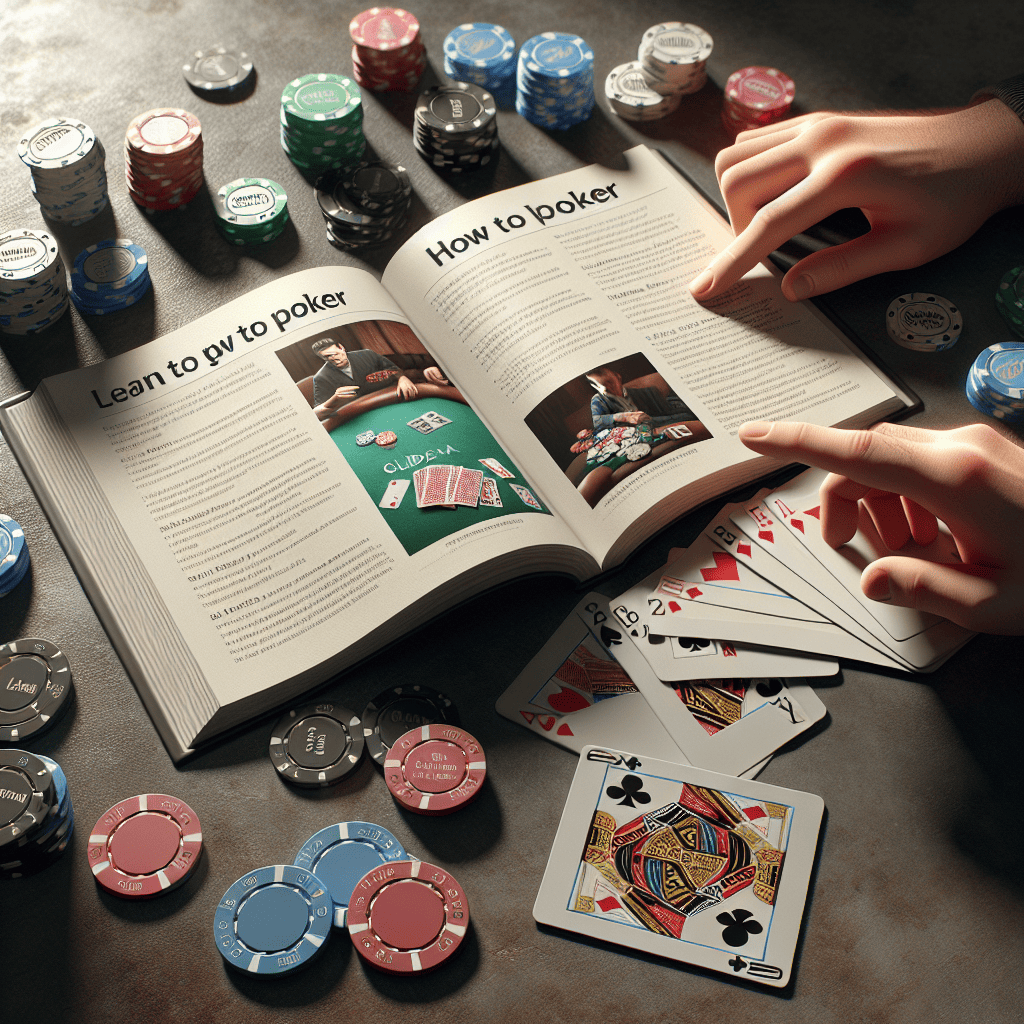
2. Read Books on Poker Strategy
Books can provide in-depth knowledge and strategies that online resources may not cover. Some highly recommended titles include:
- The Theory of Poker by David Sklansky: A classic that delves into the fundamental concepts of poker theory.
- Harrington on Hold’em by Dan Harrington: A comprehensive guide focusing on tournament play.
- Elements of Poker by Tommy Angelo: This book emphasizes the mental aspects of the game, including discipline and emotional control.
3. Practice, Practice, Practice
Like any skill, practice is vital in learning how to play poker. Here are some ways to get hands-on experience:
- Play Free Online Games: Websites like PokerStars and 888poker offer free play options where you can practice without financial risk.
- Join Local Poker Clubs: Find local clubs or home games to play with friends or fellow enthusiasts. This can provide a more social and engaging environment.
- Participate in Tournaments: Once you feel confident, consider entering low-stakes tournaments to test your skills against a variety of players.
Developing Your Poker Strategy
As you gain experience, it’s essential to develop a solid strategy. Here are some key components to consider:
1. Starting Hand Selection
Your choice of starting hands can significantly impact your success. Here are some tips:
- Play Tight: Focus on playing strong hands and avoid getting involved in too many pots.
- Position Matters: Understand the importance of your position at the table. Being in a later position allows you to gather more information about your opponents’ actions.
2. Understanding Odds and Probabilities
Being able to calculate pot odds and implied odds is crucial for making informed betting decisions. Here’s a brief overview:
- Pot Odds: The ratio of the current size of the pot to the size of the bet you must call. This helps you determine whether a call is profitable in the long run.
- Implied Odds: Consider not just the current pot but also the potential future bets you can win if you hit your hand.
3. Reading Your Opponents
Poker is as much about psychology as it is about cards. Here are some strategies for reading your opponents:
- Observe Betting Patterns: Pay attention to how your opponents bet. Are they aggressive or passive? This can give you clues about their hand strength.
- Look for Tells: Physical or behavioral cues can indicate whether a player is bluffing or holding a strong hand.
Utilizing Technology to Enhance Your Game
In today’s digital age, technology can be a valuable ally in your poker journey. Consider the following tools:
- Tracking Software: Programs like PokerTracker and Hold’em Manager allow you to analyze your gameplay and identify areas for improvement.
- Equity Calculators: Tools like Flopzilla help you understand hand equity and make better decisions based on the board texture.
Conclusion: Your Path to Poker Mastery
Learning how to play poker is a rewarding endeavor that combines skill, strategy, and a bit of luck. By understanding the basics, utilizing resources, practicing regularly, and developing a solid strategy, you can elevate your game to new heights. Remember, poker is a lifelong learning process; even the best players continuously refine their skills. So, embrace the journey, enjoy the game, and may the odds be ever in your favor!