How to Get Started in Poker: A Comprehensive Guide

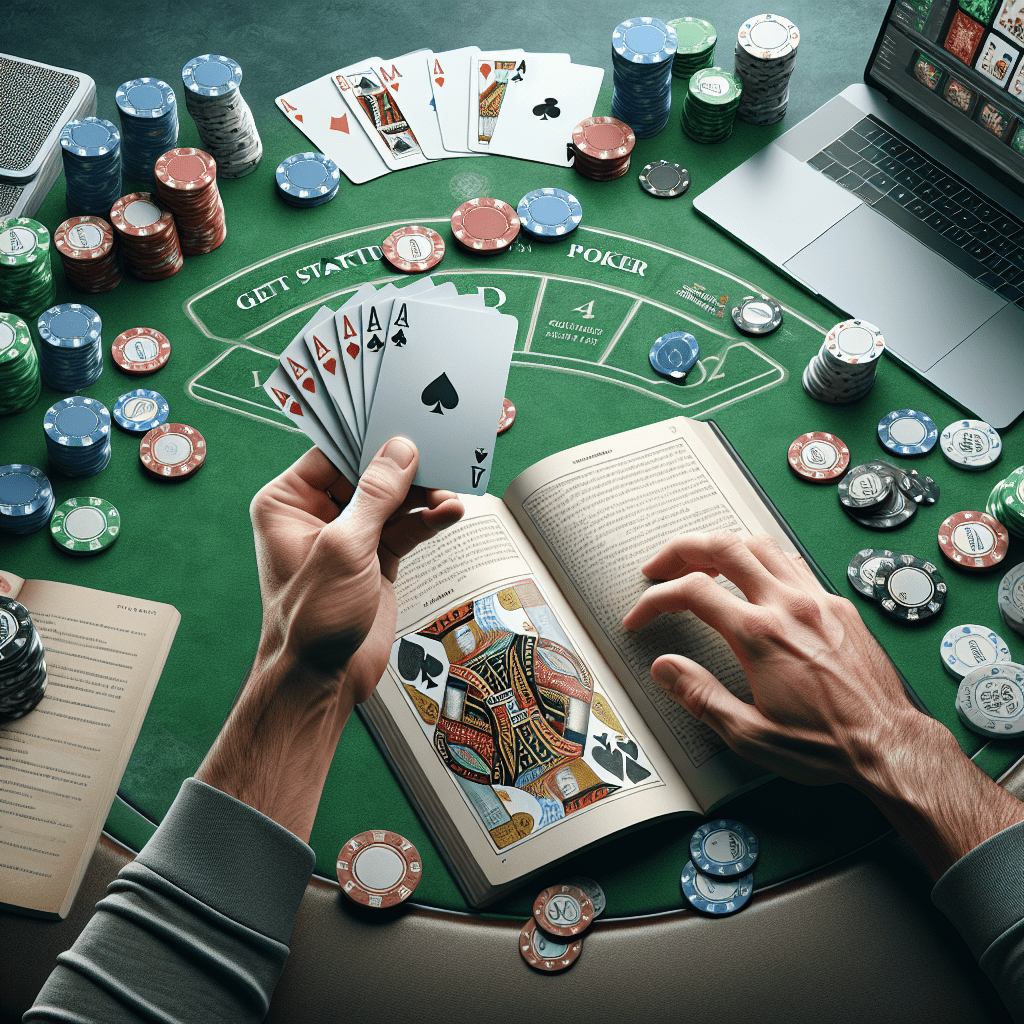
Poker is more than just a card game; it’s a blend of strategy, psychology, and chance that has captivated millions around the globe. Whether you’re drawn to the thrill of competition, the allure of winning money, or simply the social aspect of the game, getting started in poker can be both exciting and daunting. This article will guide you through the essential steps to embark on your poker journey, providing insights, tips, and resources to help you become a successful player.
Understanding the Basics of Poker
Before diving into the world of poker, it’s crucial to understand the fundamental concepts that underpin the game. Here are some key elements to familiarize yourself with:
- Types of Poker: There are various forms of poker, including Texas Hold’em, Omaha, Seven-Card Stud, and more. Texas Hold’em is the most popular variant, making it an excellent starting point for beginners.
- Hand Rankings: Knowing the hierarchy of poker hands is essential. From high card to royal flush, understanding these rankings will help you make informed decisions during gameplay.
- Blinds and Antes: In most poker games, players are required to make forced bets known as blinds or antes, which create a pot and stimulate action.
- Betting Rounds: Familiarize yourself with the different betting rounds in a hand, including pre-flop, flop, turn, and river, as well as the options available to players (check, bet, call, raise, fold).
How to Get Started in Poker: Choosing Your Platform
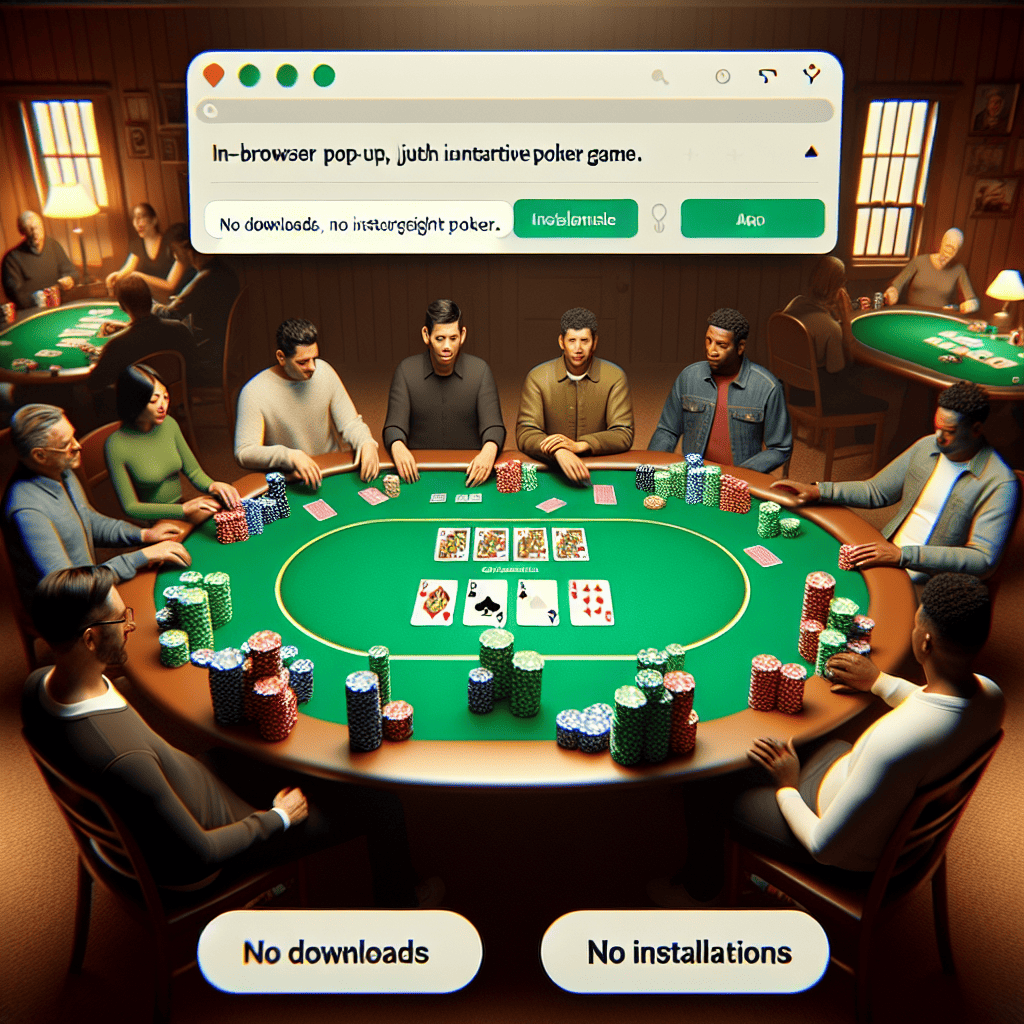
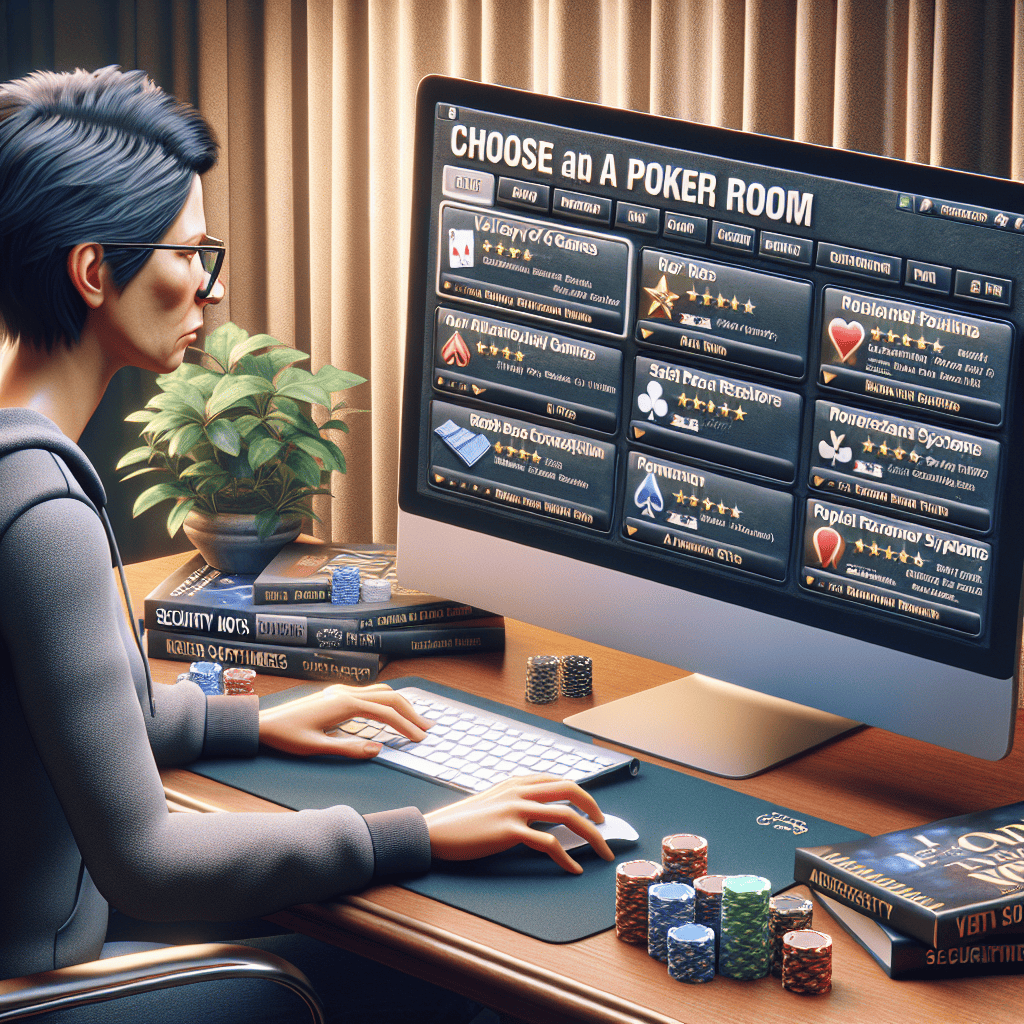
Once you grasp the basics, the next step is to choose where you want to play. There are two primary platforms for poker: online and live. Each has its advantages and disadvantages.
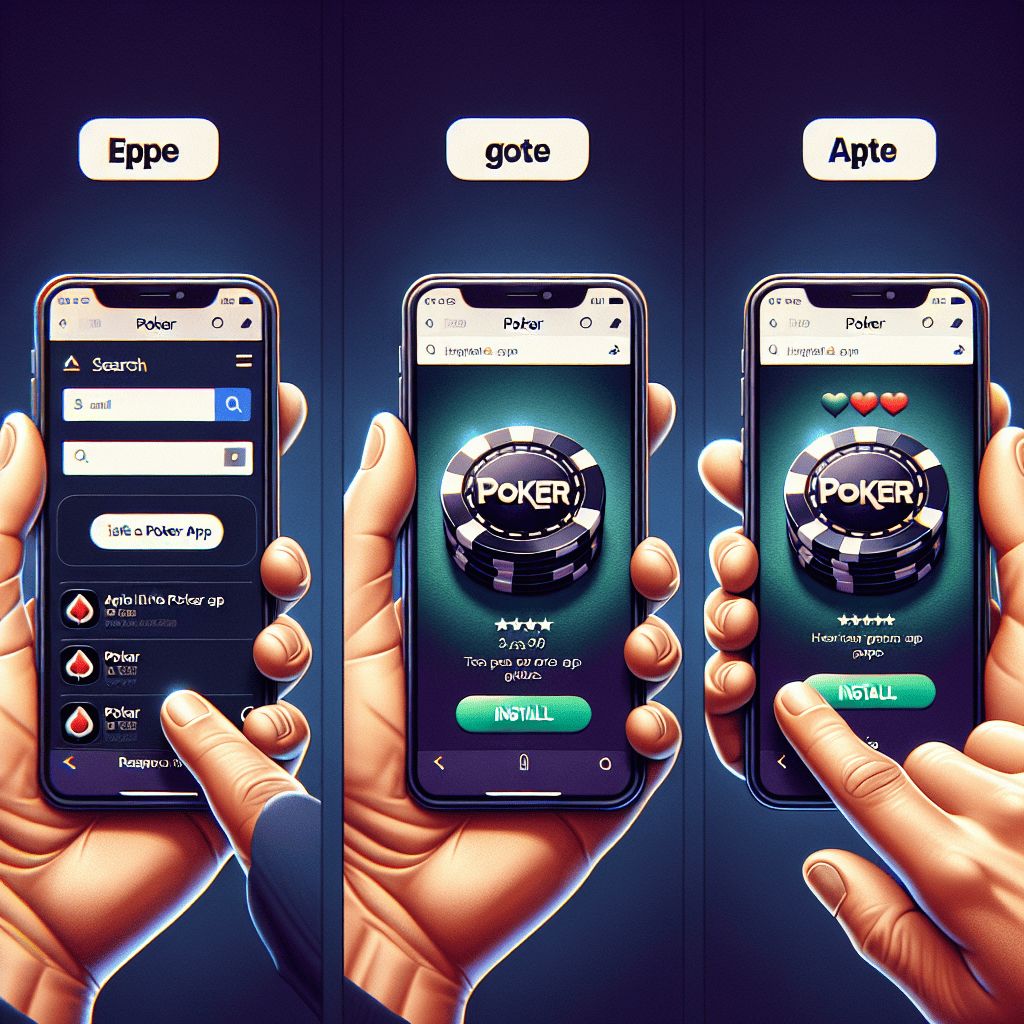
Online Poker
Online poker has surged in popularity due to its convenience and accessibility. Here are some benefits:
- Variety of Games: Online platforms offer a wide range of games and stakes, allowing you to find a suitable match for your skill level.
- Practice Opportunities: Many sites offer free play options, enabling you to practice without financial risk.
- 24/7 Availability: You can play anytime, anywhere, making it easy to fit poker into your schedule.
Live Poker
Playing poker in a physical casino or home game provides a different experience. Consider these aspects:
- Social Interaction: Live games allow for face-to-face interaction, which can enhance the enjoyment of the game.
- Reading Opponents: Observing your opponents’ body language and betting patterns can provide valuable insights.
- Atmosphere: The ambiance of a casino can be thrilling and adds to the overall experience.
Mastering the Fundamentals: Strategy and Skills
Once you’ve chosen your platform, it’s time to develop your poker skills. Here are some fundamental strategies to consider:
- Starting Hand Selection: Be selective about the hands you play. Strong starting hands increase your chances of winning. For beginners, focus on playing premium hands like A-A, K-K, Q-Q, and A-K.
- Position Matters: Your position at the table significantly impacts your strategy. Being in a later position allows you to see how your opponents act before making your decision.
- Understanding Odds: Familiarize yourself with pot odds and implied odds to make informed betting decisions. Knowing when to call, raise, or fold can be the difference between winning and losing.
- Bankroll Management: Set a budget for your poker activities and stick to it. Avoid playing at stakes that exceed your bankroll to minimize the risk of significant losses.
Learning from the Pros: Resources and Tools
To enhance your poker skills, consider utilizing various resources available to players:
- Books: There are numerous poker strategy books written by professionals. Titles like “The Theory of Poker” by David Sklansky and “Harrington on Hold’em” by Dan Harrington are excellent starting points.
- Online Courses: Websites like Upswing Poker and Run It Once offer courses taught by professional players, covering everything from basic strategies to advanced techniques.
- Forums and Communities: Engage with other players on platforms like TwoPlusTwo or Reddit’s r/poker. These communities can provide valuable insights and support.
- Tracking Software: Tools like PokerTracker and Hold’em Manager can help you analyze your gameplay and identify areas for improvement.
Practice Makes Perfect: Getting Involved
As with any skill, practice is essential in poker. Here are some ways to gain experience:
- Play Free Games: Start with free online poker games to get comfortable with the mechanics without financial pressure.
- Join Home Games: Organize or join home games with friends to practice in a relaxed environment.
- Participate in Tournaments: Once you feel confident, consider entering low-stakes tournaments to experience competitive play.
Staying Disciplined: The Psychological Aspect of Poker
Poker is as much a mental game as it is a strategic one. Here are some psychological tips to keep in mind:
- Emotional Control: Learn to manage your emotions, especially during losing streaks. Tilt can lead to poor decision-making.
- Patience is Key: Good poker players know when to wait for the right opportunities. Avoid the urge to play every hand.
- Continuous Learning: The best players are always learning. Analyze your gameplay and seek feedback to improve.
Conclusion: Your Poker Journey Awaits
Getting started in poker can be an exhilarating experience filled with challenges and rewards. By understanding the basics, choosing the right platform, mastering fundamental strategies, and continuously learning, you can set yourself on the path to becoming a skilled player. Remember, poker is a game of skill, patience, and discipline. Embrace the journey, and enjoy the process of becoming a better player. With dedication and practice, you’ll find yourself not just playing poker, but truly understanding and enjoying the game.