
Mastering the Art of Flipping a Poker Chip in Your Fingers
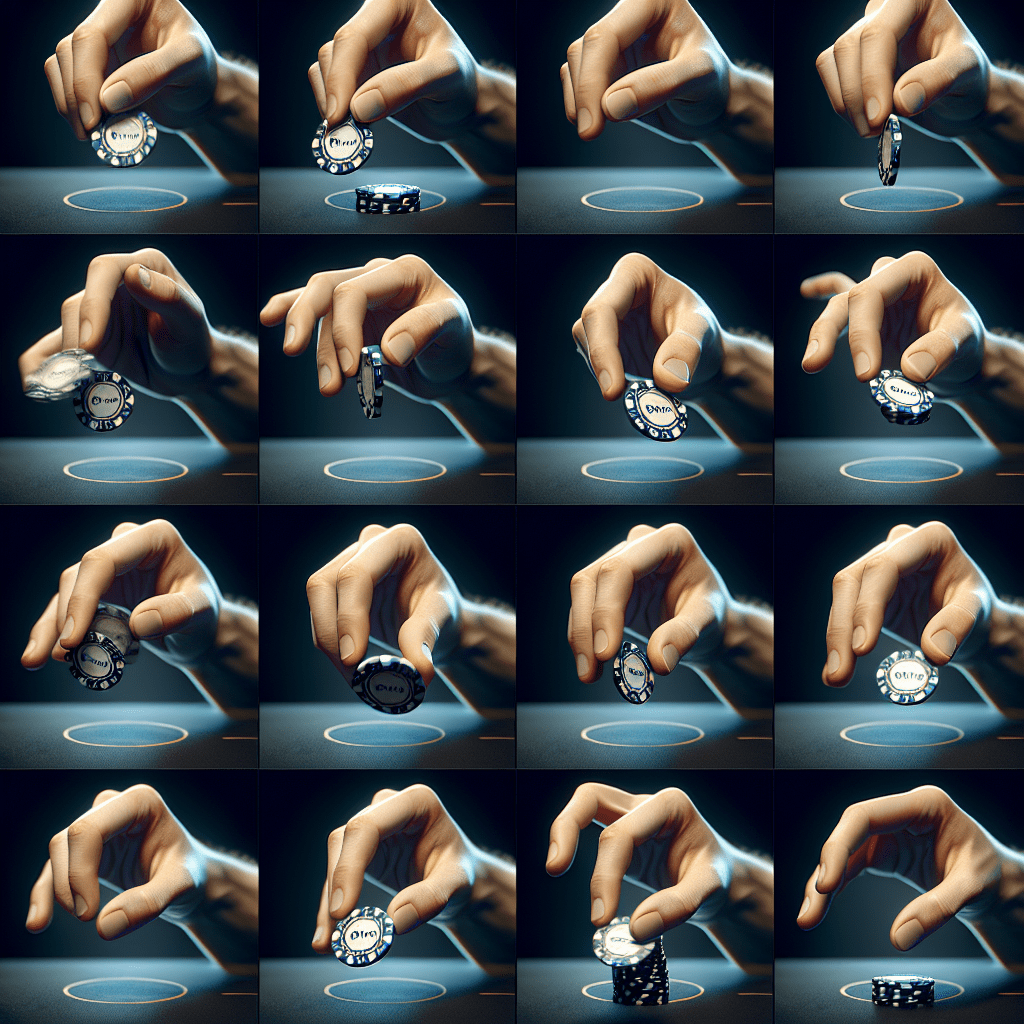
Flipping a poker chip in your fingers is not just a flashy trick; it’s a skill that can enhance your presence at the poker table, impress your friends, and even serve as a stress-relief technique. Whether you’re a seasoned player or a novice, learning how to flip a poker chip in your fingers can add an element of finesse to your game. In this article, we will explore the techniques, tips, and tricks to master this skill, along with some fascinating insights into its history and cultural significance.
The Basics of Poker Chip Flipping
Before diving into the techniques, it’s essential to understand the basic mechanics of flipping a poker chip. A poker chip is typically made of clay or composite materials, weighing around 11.5 grams. This weight is crucial for achieving the right balance and spin when flipping. Here’s a breakdown of the fundamental aspects:
- Grip: The way you hold the chip is vital. A proper grip allows for better control and spin.
- Flicking Motion: The flick of your fingers is what propels the chip into the air. This motion should be quick and precise.
- Follow-Through: The follow-through after the flick can affect the chip’s trajectory and spin.
How to Flip a Poker Chip in Your Fingers: Step-by-Step Guide
Now that we have covered the basics, let’s delve into the step-by-step process of flipping a poker chip in your fingers.
Step 1: Choose Your Chip
Start with a standard poker chip. It’s advisable to use a chip that you are comfortable with, as different materials and weights can affect your flipping technique.
Step 2: Position Your Fingers
Hold the chip between your thumb and index finger. Your thumb should be on one side, while your index finger should be on the opposite side, creating a pinching effect. Your middle finger can rest lightly against the bottom of the chip for added support.
Step 3: The Flick
To initiate the flip, quickly flick your index finger upward while simultaneously pushing down with your thumb. This motion should be swift and fluid, allowing the chip to spin as it leaves your fingers. The goal is to create enough momentum for the chip to complete a full rotation in the air.
Step 4: Catching the Chip
As the chip descends, prepare to catch it with your other hand or the same hand, depending on your preference. Keep your eyes on the chip to ensure a smooth catch. Practice will help you improve your timing and accuracy.
Tips for Perfecting Your Technique
Like any skill, flipping a poker chip takes practice. Here are some tips to help you refine your technique:
- Practice Regularly: Set aside time each day to practice your flipping technique. Consistency is key.
- Use a Mirror: Practicing in front of a mirror can help you visualize your movements and make necessary adjustments.
- Experiment with Different Chips: Try flipping chips of various weights and materials to find what works best for you.
- Record Yourself: Use your smartphone to record your practice sessions. Watching yourself can provide insights into areas for improvement.
The Psychology Behind Chip Flipping
Flipping a poker chip is not just a physical skill; it also has psychological implications. Here are some insights into why this skill can be beneficial:
- Confidence Booster: Mastering a skill like chip flipping can enhance your confidence at the poker table.
- Focus and Concentration: The act of flipping requires concentration, which can help you stay focused during games.
- Stress Relief: The repetitive motion of flipping can serve as a calming mechanism, helping to alleviate anxiety during high-stakes games.
Case Studies: The Impact of Chip Flipping in Poker Culture
Chip flipping has become a cultural phenomenon in the poker world. Many professional players incorporate this skill into their routines, using it as a way to engage with the audience and maintain their composure. For instance, renowned poker player Phil Ivey is known for his charismatic chip flipping, which not only entertains but also serves as a psychological tactic to unsettle opponents.
Moreover, studies have shown that players who exhibit confidence through body language, including chip flipping, are often perceived as more skilled, even if their actual gameplay does not reflect that perception. This phenomenon highlights the importance of non-verbal cues in poker.
Conclusion: Elevate Your Poker Game with Chip Flipping
Learning how to flip a poker chip in your fingers is more than just a party trick; it’s a skill that can enhance your overall poker experience. By mastering this technique, you not only improve your dexterity but also boost your confidence and focus at the table. Remember, practice is essential, and with time, you’ll find yourself flipping chips like a pro.
In summary, flipping a poker chip involves understanding the mechanics of grip, flick, and catch. With regular practice and the right mindset, you can impress your friends and elevate your poker game. So grab a chip, start practicing, and enjoy the journey of mastering this captivating skill!