How to Deal with Bad Beats in Poker: Strategies for Emotional Resilience

In the world of poker, few experiences are as frustrating as a bad beat. You’ve played your cards right, calculated your odds, and yet, in a cruel twist of fate, your opponent snatches victory from the jaws of your well-laid plans. Bad beats are an inevitable part of the game, but how you respond to them can significantly impact your performance and enjoyment. This article delves into effective strategies for dealing with bad beats in poker, helping you maintain your composure and improve your game.
Understanding Bad Beats: What Are They?
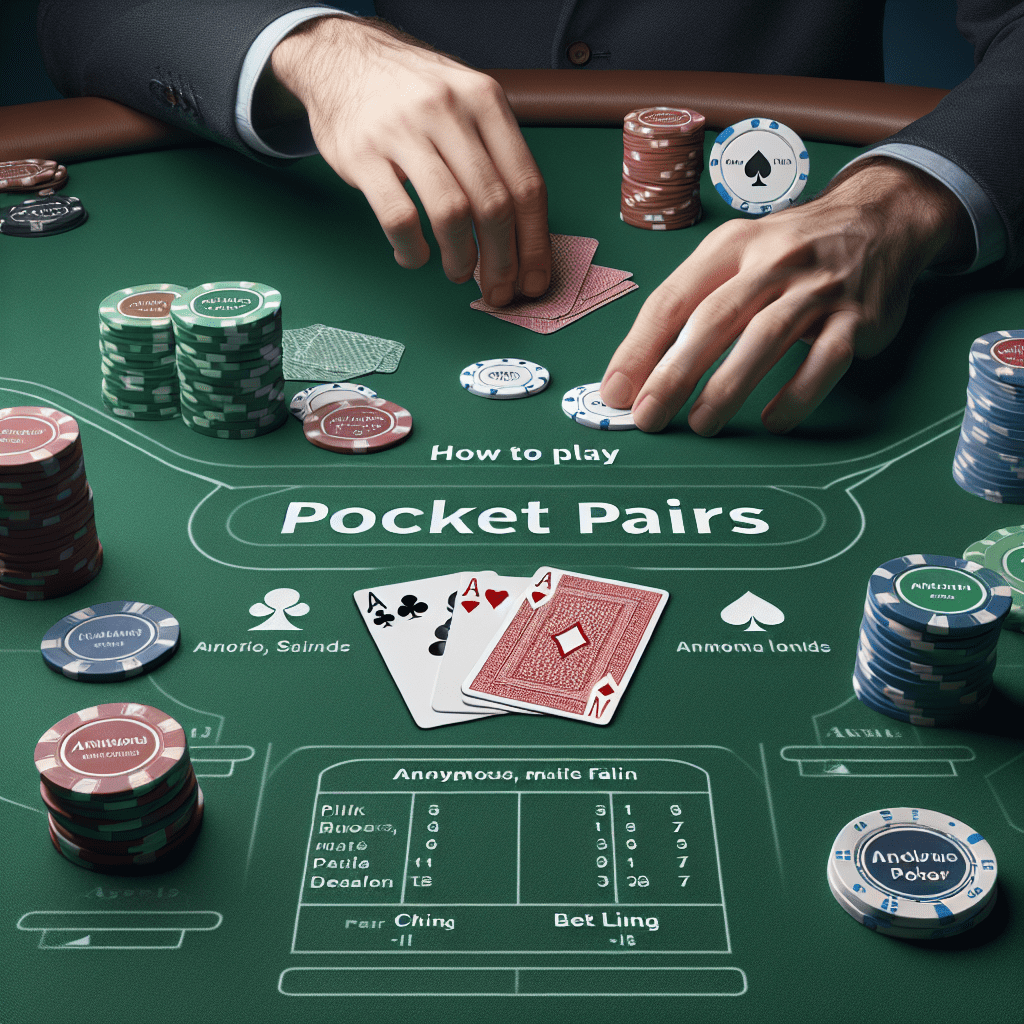
Before we explore strategies for coping with bad beats, it’s essential to understand what they are. A bad beat occurs when a player with a statistically superior hand loses to an opponent with a weaker hand, often due to an unexpected turn of events. For instance, imagine you hold pocket aces, and your opponent has a 7-2 offsuit. The flop comes down 7-7-2, and your opponent wins with four of a kind. This scenario exemplifies a bad beat, where luck trumps skill.
Why Bad Beats Hurt: The Psychological Impact
Bad beats can evoke a range of emotions, from anger and frustration to despair and self-doubt. Understanding the psychological impact of these experiences is crucial for developing coping strategies. Here are some common emotional responses:
- Frustration: Losing a hand you believed you had won can lead to feelings of frustration, especially if it happens repeatedly.
- Anger: Many players experience anger towards their opponents, the cards, or even themselves.
- Despair: A series of bad beats can lead to a sense of hopelessness, making players question their skills.
- Tilt: This term refers to a state of emotional confusion or frustration in which a player adopts a less rational approach to the game.
How to Deal with Bad Beats in Poker: Strategies for Emotional Resilience
Now that we’ve established what bad beats are and their psychological effects, let’s explore effective strategies for coping with them. These techniques can help you maintain your focus and improve your overall game.
1. Acknowledge Your Emotions
The first step in dealing with bad beats is to acknowledge your feelings. It’s natural to feel upset after a loss, but suppressing these emotions can lead to greater issues down the line. Take a moment to recognize your feelings and understand that they are a normal part of the game.
2. Take a Break
When emotions run high, it’s often best to step away from the table. Taking a break allows you to clear your mind and regain your composure. Whether it’s a short walk or a longer hiatus from playing, giving yourself time to cool off can prevent you from making impulsive decisions.
3. Focus on the Long Game
In poker, variance is a constant. A single session or even a series of bad beats does not define your overall skill as a player. Shift your focus from immediate results to long-term performance. Consider the following:
- Review your overall win rate over time.
- Analyze your decision-making process rather than just the outcomes.
- Set long-term goals that emphasize skill development rather than short-term wins.
4. Practice Mindfulness and Emotional Regulation
Mindfulness techniques can be incredibly beneficial for managing emotions during and after a bad beat. Here are some practices to consider:
- Deep Breathing: Take a few deep breaths to calm your nervous system.
- Meditation: Regular meditation can help you develop a more balanced emotional state.
- Visualization: Visualize positive outcomes and remind yourself of your successes.
5. Learn from the Experience
Every bad beat can serve as a learning opportunity. Instead of dwelling on the loss, analyze the hand and consider what you could have done differently. Ask yourself:
- Did I make the right call based on the odds?
- Was my bet sizing appropriate?
- Could I have read my opponent better?
By focusing on improvement rather than frustration, you can turn a negative experience into a valuable lesson.
6. Engage with the Poker Community
Connecting with other players can provide support and perspective. Sharing your experiences with fellow poker enthusiasts can help normalize the feelings associated with bad beats. Consider joining forums, attending local poker clubs, or participating in online discussions. Engaging with others can also provide insights into how they cope with similar situations.
7. Set Realistic Expectations
Understanding that bad beats are part of the game can help you set more realistic expectations for your performance. Accept that variance is a natural element of poker, and even the best players experience bad beats. This mindset can help you maintain a more balanced emotional state.
Case Study: The Resilient Player
To illustrate the effectiveness of these strategies, let’s consider the case of a fictional player named Alex. Alex is an avid poker player who has experienced his fair share of bad beats. After a particularly devastating loss in a tournament, he decided to implement some of the strategies discussed above.
First, Alex took a break from playing to clear his mind. During this time, he reflected on his emotions and acknowledged his frustration. He then returned to the game with a renewed focus on long-term goals, reminding himself that variance is part of poker.
Alex also began practicing mindfulness techniques, incorporating deep breathing and visualization into his routine. Over time, he found that he was better able to manage his emotions during play. He engaged with the poker community, sharing his experiences and learning from others.
As a result, Alex not only improved his emotional resilience but also his overall game. He became more focused, made better decisions, and ultimately saw an increase in his win rate.
Conclusion: Embracing the Journey
Dealing with bad beats in poker is an inevitable challenge that every player faces. However, by acknowledging your emotions, taking breaks, focusing on long-term goals, and learning from each experience, you can cultivate emotional resilience and improve your game. Remember, poker is as much about mental fortitude as it is about skill. Embrace the journey, and let each bad beat serve as a stepping stone toward becoming a better player.
In summary, the key takeaways for how to deal with bad beats in poker include:
- Acknowledge and accept your emotions.
- Take breaks to regain composure.
- Focus on long-term performance rather than short-term results.
- Practice mindfulness and emotional regulation techniques.
- Learn from each experience and engage with the poker community.
- Set realistic expectations about variance in the game.
By implementing these strategies, you can transform the frustration of bad beats into opportunities for growth and improvement in your poker journey.