How To Deal Poker Texas Hold’em: A Comprehensive Guide

Texas Hold’em is one of the most popular forms of poker played worldwide, both in casinos and at home games. Understanding how to deal this exciting game is crucial for anyone looking to host a poker night or simply improve their skills. In this article, we will explore the essential steps and strategies involved in dealing Texas Hold’em, ensuring that you can create an enjoyable and fair gaming experience for all players.
The Basics of Texas Hold’em
Before diving into the specifics of dealing, it’s important to grasp the fundamental rules of Texas Hold’em. The game typically involves 2 to 10 players and uses a standard 52-card deck. Each player is dealt two private cards (known as “hole cards”), and five community cards are dealt face-up on the “board.” Players aim to make the best five-card hand using any combination of their hole cards and the community cards.
Key Terminology
Familiarizing yourself with poker terminology is essential for effective dealing. Here are some key terms:
- Blinds: The two forced bets made by the players to the left of the dealer.
- Flop: The first three community cards dealt face-up.
- Turn: The fourth community card dealt face-up.
- River: The fifth and final community card dealt face-up.
- Showdown: The final phase where players reveal their hands to determine the winner.
How To Deal Poker Texas Hold’em: Step-by-Step Guide
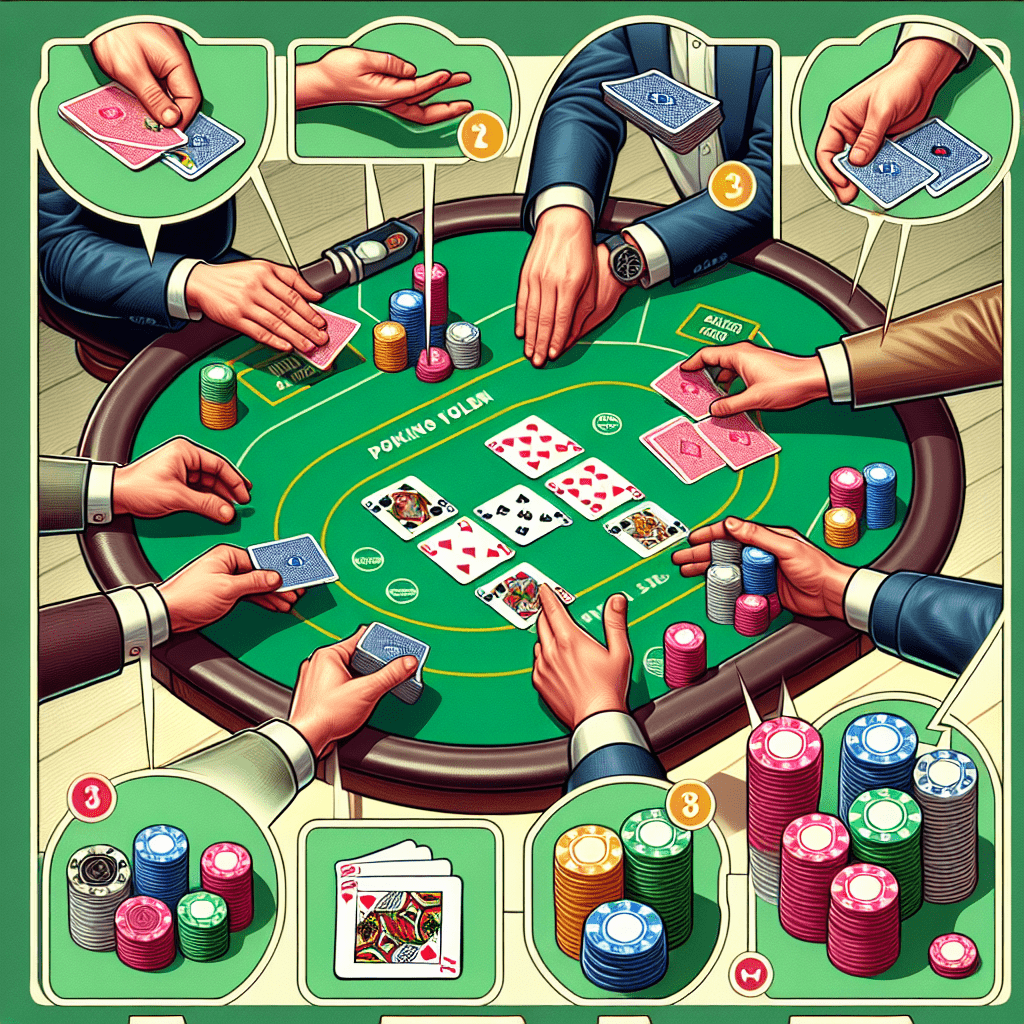
Now that you have a grasp of the basics, let’s break down the process of dealing Texas Hold’em into manageable steps.
1. Setting Up the Table
Before dealing, ensure that your poker table is set up correctly:
- Gather a standard 52-card deck and poker chips.
- Designate a dealer button to indicate the current dealer.
- Arrange players in a circle around the table, ensuring everyone has enough space for their cards and chips.
2. Posting Blinds
Once the table is set, the game begins with the posting of blinds:
- The player to the left of the dealer posts the small blind.
- The player to the left of the small blind posts the big blind, typically double the small blind.
3. Dealing Hole Cards
With the blinds posted, it’s time to deal the hole cards:
- Starting with the player to the left of the dealer, deal two cards face-down to each player in a clockwise direction.
- Ensure that players keep their hole cards private and do not reveal them to others.
4. The Betting Rounds
After dealing the hole cards, the first betting round begins:
- The player to the left of the big blind can call, raise, or fold.
- Betting continues clockwise until all players have either folded or matched the highest bet.
5. Dealing the Flop
Once the first betting round is complete, it’s time to deal the flop:
- Burn the top card (discard it face-down) to maintain game integrity.
- Deal three community cards face-up in the center of the table.
- Announce the flop to the players.
6. The Second Betting Round
After the flop, another round of betting occurs:
- The player to the left of the dealer starts the betting.
- Players can check, bet, call, raise, or fold based on their hands and the community cards.
7. Dealing the Turn
Following the second betting round, it’s time to deal the turn:
- Again, burn the top card.
- Deal one additional community card face-up.
- Announce the turn to the players.
8. The Third Betting Round
Another round of betting follows the turn:
- Players can again check, bet, call, raise, or fold.
- Continue until all players have acted.
9. Dealing the River
After the third betting round, deal the river:
- Burn the top card once more.
- Deal the fifth and final community card face-up.
- Announce the river to the players.
10. The Final Betting Round and Showdown
The last betting round occurs after the river:
- Players can make their final bets.
- Once betting is complete, players reveal their hands in a showdown.
- The player with the best hand wins the pot.
Tips for Effective Dealing
To enhance your dealing skills, consider the following tips:
- Practice dealing with friends to build confidence.
- Maintain a clear and calm demeanor to keep the game flowing smoothly.
- Be aware of the rules and variations of Texas Hold’em to answer player questions accurately.
- Keep track of the pot size and ensure all bets are correctly placed.
Conclusion
Dealing Texas Hold’em can be a rewarding experience, whether you’re hosting a casual game night or participating in a more competitive setting. By following the steps outlined in this guide, you can ensure that your games run smoothly and that all players have an enjoyable time. Remember, practice makes perfect, so don’t hesitate to deal as often as you can. With time, you’ll become a skilled dealer, ready to take on any poker table!