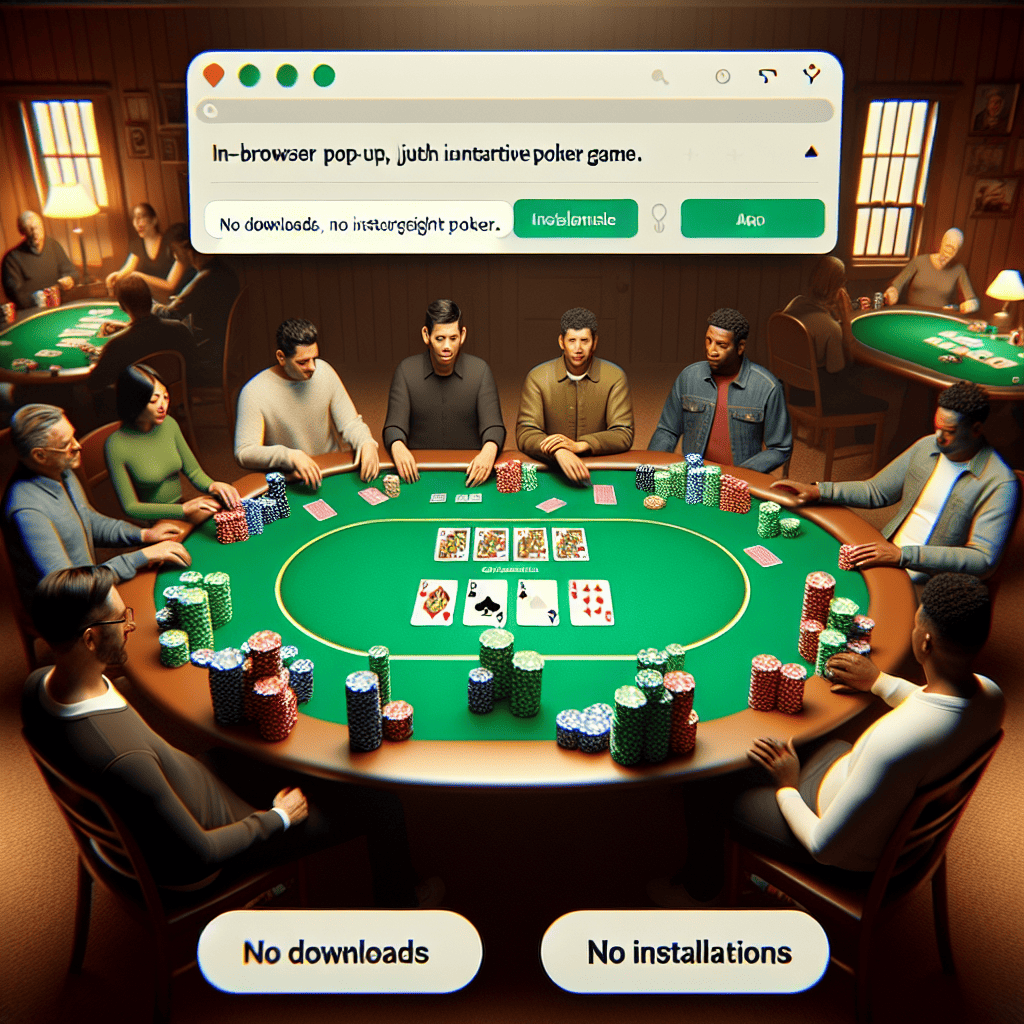
How To Deal Poker For Beginners: A Comprehensive Guide

Poker is not just a game of chance; it’s a game of skill, strategy, and psychology. For beginners, understanding how to deal poker can be a daunting task. However, with the right guidance and practice, anyone can master the art of dealing. This article will provide you with essential tips, techniques, and insights to help you become a proficient poker dealer.
Understanding the Basics of Poker
Before diving into the mechanics of dealing, it’s crucial to grasp the fundamentals of poker. Here are some key points to consider:
- Types of Poker: Familiarize yourself with popular variants like Texas Hold’em, Omaha, and Seven-Card Stud.
- Hand Rankings: Learn the hierarchy of poker hands, from high card to royal flush.
- Game Structure: Understand the flow of the game, including betting rounds, blinds, and antes.
By mastering these basics, you’ll be better equipped to deal effectively and manage the game dynamics.
How To Deal Poker For Beginners: Step-by-Step Guide
Now that you have a foundational understanding of poker, let’s explore the step-by-step process of dealing. This guide will focus primarily on Texas Hold’em, the most popular variant.
1. Setting Up the Table
Before the game begins, ensure that the table is set up correctly:
- Chips: Distribute chips to each player according to the agreed-upon starting stack.
- Cards: Use a standard 52-card deck. Make sure the cards are shuffled thoroughly.
- Positioning: Familiarize yourself with the dealer button and the positions of the players around the table.
2. Dealing the Cards
Once the table is set, it’s time to deal the cards:
- Start with the Player to Your Left: Deal two cards face down to each player, starting from the left of the dealer button.
- Maintain a Smooth Motion: Use a fluid motion to deal the cards, ensuring they land in front of each player without flipping over.
- Keep the Game Flowing: Avoid unnecessary pauses; keep the game moving to maintain excitement.
3. Managing the Betting Rounds
After dealing the hole cards, the first betting round begins. Here’s how to manage it:
- Announce the Action: Clearly state when the betting round begins and encourage players to take their turns.
- Monitor Bets: Keep track of the amount each player bets, raises, or folds.
- Encourage Interaction: Engage with players to create a friendly atmosphere, but remain neutral.
4. Dealing Community Cards
After the first betting round, it’s time to deal the community cards:
- Burn a Card: Before dealing community cards, burn (discard) the top card from the deck to prevent cheating.
- Deal the Flop: Place three community cards face up in the center of the table.
- Second Betting Round: Announce the second betting round and manage it as before.
- Deal the Turn and River: Burn another card before dealing the fourth (turn) and fifth (river) community cards, followed by additional betting rounds.
5. Concluding the Hand
Once all betting rounds are complete, it’s time to determine the winner:
- Showdown: Instruct players to reveal their hands, starting from the last player who bet or raised.
- Determine the Winner: Compare hands based on poker hand rankings and award the pot to the winner.
- Prepare for the Next Hand: Collect the cards, shuffle, and reset for the next round.
Tips for Effective Dealing
To enhance your dealing skills, consider the following tips:
- Practice Regularly: The more you deal, the more comfortable you’ll become with the process.
- Stay Calm Under Pressure: Maintain composure, especially during intense moments in the game.
- Be Aware of Table Etiquette: Respect the players and the game; avoid distractions and keep conversations appropriate.
Conclusion
Learning how to deal poker for beginners is an exciting journey that combines skill, strategy, and social interaction. By following the steps outlined in this guide, you can confidently manage a poker game and create an enjoyable experience for all players involved. Remember, practice makes perfect, so don’t hesitate to gather friends for a game night and hone your dealing skills. With time and experience, you’ll not only become a proficient dealer but also a valued participant in the vibrant world of poker.