How to Always Have a Poker Face: Mastering the Art of Emotional Control
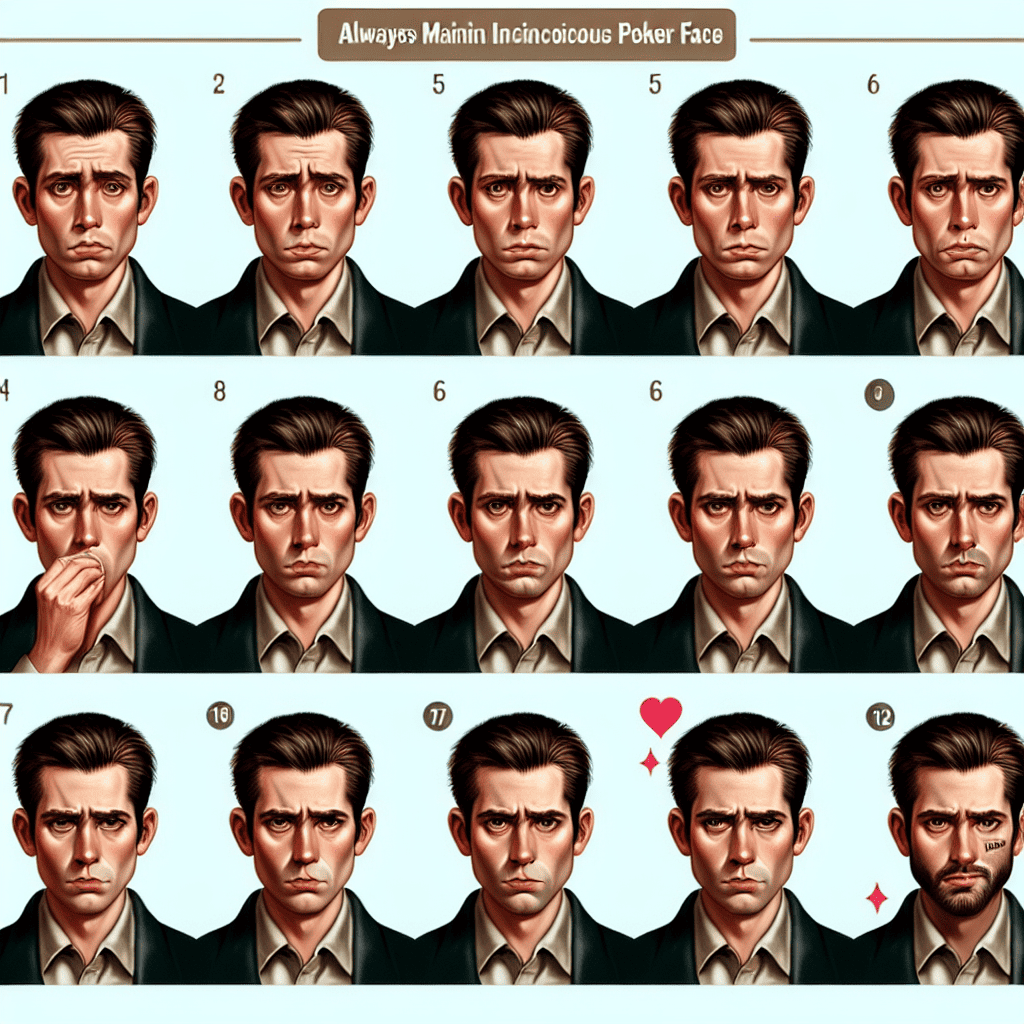
In the high-stakes world of poker, a “poker face” is essential. It’s not just about concealing your hand; it’s about controlling your emotions and reactions to gain an advantage over your opponents. But the ability to maintain a poker face extends beyond the poker table. Whether in business negotiations, personal relationships, or everyday interactions, having a poker face can be a powerful tool. This article will explore techniques, psychological insights, and practical tips on how to always have a poker face.
The Psychology Behind a Poker Face
Understanding the psychology of emotions is crucial for mastering the art of the poker face. Emotions can be involuntary, but with practice, you can learn to control them. Here are some key psychological concepts to consider:
- Emotional Intelligence: This is the ability to recognize and manage your own emotions and the emotions of others. High emotional intelligence allows you to remain calm and composed, even in stressful situations.
- Facial Feedback Hypothesis: This theory suggests that facial expressions can influence emotional experiences. By consciously controlling your facial expressions, you can alter your emotional state.
- Body Language: Non-verbal cues often speak louder than words. A relaxed posture and controlled gestures can help maintain a poker face.
Techniques for Maintaining a Poker Face
Now that we understand the psychological underpinnings, let’s delve into practical techniques for how to always have a poker face.
1. Practice Mindfulness
Mindfulness involves being present in the moment and aware of your thoughts and feelings without judgment. This practice can help you manage your emotional responses effectively. Here’s how to incorporate mindfulness into your daily routine:
- Engage in meditation or deep-breathing exercises.
- Take a moment to pause before reacting to any situation.
- Focus on your breath to ground yourself during stressful interactions.
2. Control Your Breathing
Your breath is a powerful tool for emotional regulation. When you feel anxious or excited, your breathing may become rapid and shallow. To maintain a poker face, practice the following breathing techniques:
- Deep Breathing: Inhale deeply through your nose, hold for a few seconds, and exhale slowly through your mouth.
- Box Breathing: Inhale for four counts, hold for four counts, exhale for four counts, and hold again for four counts.
3. Master Your Facial Expressions
Being aware of your facial expressions is crucial. Here are some tips to help you control them:
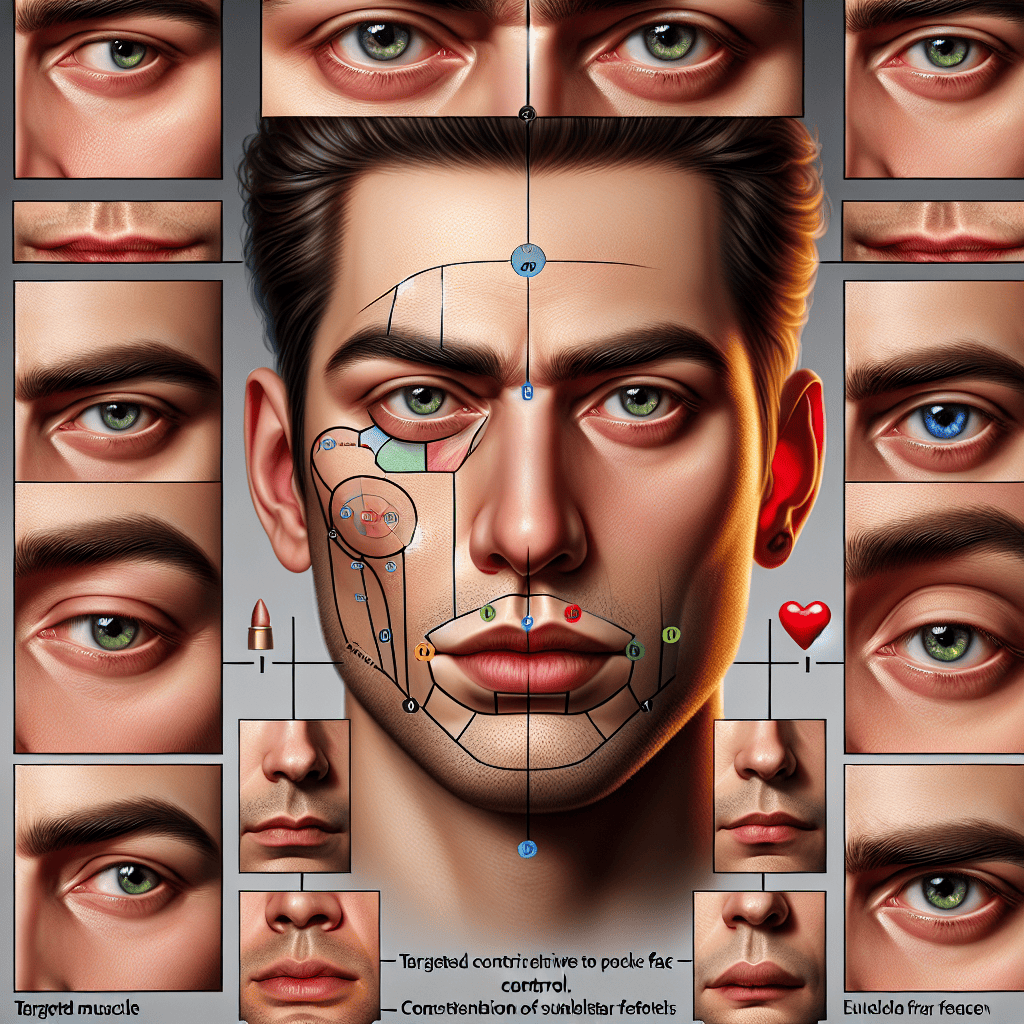
- Practice in the Mirror: Spend time observing your facial expressions in different emotional states. This will help you identify which expressions you need to control.
- Use Neutral Expressions: Train yourself to adopt a neutral expression that conveys calmness and confidence.
- Limit Eye Movements: Avoid darting your eyes around, as this can signal anxiety or uncertainty.
Real-Life Applications of a Poker Face
Having a poker face can be beneficial in various scenarios. Let’s explore some real-life applications:
1. Business Negotiations
In business, negotiations can be intense. A poker face can help you:
- Convey confidence and authority.
- Prevent opponents from reading your reactions to offers or counteroffers.
- Maintain a strategic advantage by not revealing your true feelings about a deal.
2. Personal Relationships
In personal interactions, a poker face can help you navigate sensitive conversations:
- Prevent misunderstandings by not overreacting to emotional topics.
- Encourage open dialogue by allowing others to express their feelings without your reactions influencing them.
- Maintain composure during conflicts, leading to more productive resolutions.
3. Public Speaking
For those who struggle with anxiety while speaking in public, a poker face can be a game-changer:
- Help you project confidence, even if you feel nervous inside.
- Allow you to focus on your message rather than your audience’s reactions.
- Minimize distractions caused by your own emotional responses.
Case Studies: Successful Poker Faces in Action
To illustrate the effectiveness of maintaining a poker face, let’s look at a few notable examples:
1. Professional Poker Players
Professional poker players are masters of emotional control. For instance, players like Phil Ivey and Daniel Negreanu are known for their ability to read opponents while keeping their own emotions hidden. Their success is often attributed to their ability to maintain a calm demeanor, regardless of the stakes involved.
2. Business Leaders
Many successful business leaders, such as Warren Buffett, are known for their composed nature during negotiations. Buffett’s ability to maintain a poker face has allowed him to make strategic decisions without revealing his true intentions, often leading to favorable outcomes.
Statistics on Emotional Control
Research supports the importance of emotional control in various aspects of life. Here are some relevant statistics:
- A study published in the journal *Emotion* found that individuals with high emotional intelligence are 58% more likely to succeed in leadership roles.
- According to a survey by the American Psychological Association, 70% of professionals believe that emotional control is essential for career advancement.
Conclusion: The Power of a Poker Face
In conclusion, learning how to always have a poker face is a valuable skill that can enhance your personal and professional life. By understanding the psychology behind emotions, practicing mindfulness, controlling your breathing, and mastering your facial expressions, you can maintain composure in any situation. Whether you’re negotiating a business deal, navigating personal relationships, or speaking in public, a poker face can give you the edge you need to succeed. Remember, the key is practice and self-awareness. With time, you’ll find that maintaining a poker face becomes second nature, allowing you to navigate life’s challenges with confidence and poise.